Agricultural Employment Halves in Turkey Over Three Decades
Agricultural employment in Turkey has decreased by half since 1996, reaching 4.56 million by 2025, with a notable decline in the last year.
Cuneyd Erdogan ·
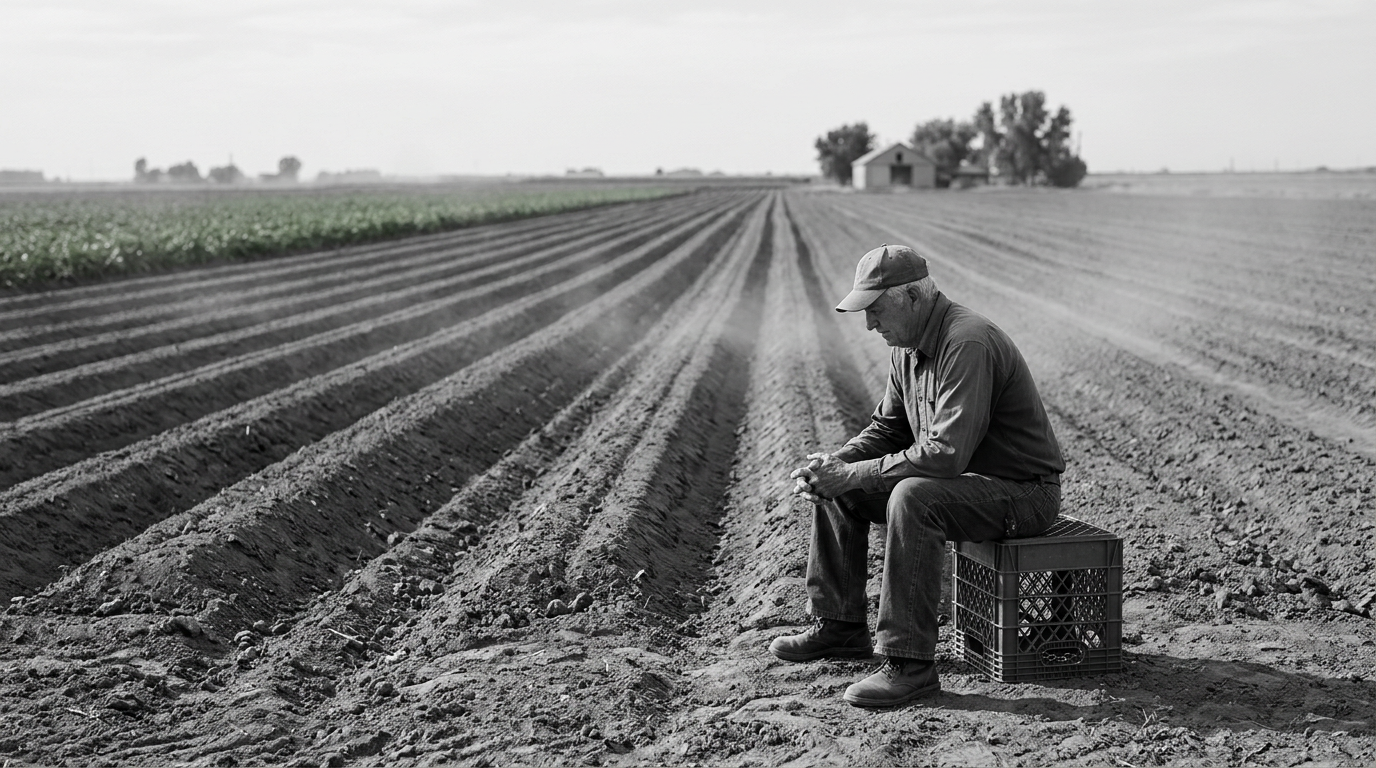
Significant Decline in Agricultural Workforce
Turkey's agricultural sector has experienced a substantial reduction in its workforce, with employment figures dropping from 9.259 million in 1996 to 4.560 million by 2025. This represents a nearly 50% decrease over three decades. The most recent data indicates a loss of 267,000 jobs in agriculture within the past year alone.
This downward trend has also impacted agriculture's share of the total national employment. In 2000, agricultural workers constituted 36% of the total workforce, a figure that is projected to fall to 14% by 2025. This decline has persisted despite global food crises, including those following the 2009 economic downturn and the COVID-19 pandemic. Women accounted for 159,000 of the 267,000 jobs lost in the last year.
Regional Disparities in Employment Reduction
The impact of this agricultural employment decline varies significantly across different regions of Turkey. For instance, in Istanbul, agriculture's contribution to employment stands at a mere 0.6%. In contrast, the TRB2 region, encompassing Van, Hakkari, Muş, and Bitlis, sees agriculture contributing 19.3% to its employment.
However, even in regions heavily reliant on agriculture, job losses are evident. The TRB2 region experienced a 25% decrease in agricultural employment over the last year. Ankara saw a 29% reduction, while the TRB1 region (Malatya, Elazığ, Bingöl, Tunceli) recorded a 17% drop. The TRA1 region, which includes Erzurum, Erzincan, and Bayburt, faced a 29.2% decline in its agricultural workforce.
Broader Economic Implications
The consistent reduction in agricultural employment signals a broader shift in Turkey's economic structure, moving away from primary sector reliance towards industrial and service-based economies. This transformation could lead to increased urbanization and changes in rural demographics. The ongoing decline also raises questions about the future of food security and the sustainability of agricultural practices within the country.
Policymakers may need to consider new strategies for rural development and job creation to mitigate the social and economic consequences of this trend. The shift could also indicate increased mechanization and efficiency in the agricultural sector, potentially leading to higher output with fewer workers. However, the social cost of such rapid changes, particularly for women in the workforce, remains a critical concern.
Uncertainties and Future Outlook
The long-term implications of this trend are still unfolding. While a smaller agricultural workforce might suggest increased productivity per worker, it also poses challenges for maintaining rural populations and traditional farming knowledge. The ability of other sectors to absorb the displaced workforce, particularly in rural areas, remains an uncertainty. Future agricultural policies will be crucial in shaping the sector's trajectory and its role in the national economy.
The data underscores the need for targeted interventions to support agricultural communities and ensure a smooth transition for those leaving the sector. The continued decline in agricultural employment, especially among women, highlights the importance of gender-sensitive policies in economic development.