Hormuz Deadline Looms: Iran Talks Hit Impasse
Iran war talks stalled April 1 as a Trump Hormuz deadline neared, strikes intensified, and Brent dipped to $107.11 before rebounding.
Lauren Collins ·
S. President Donald Trump neared and the risk of wider military action against Iran rose. Mediators from Pakistan, Egypt, and Turkey were working toward a ceasefire and the reopening of the Strait of Hormuz, with the aim of moving next into detailed talks for a broader peace agreement. The push for negotiations unfolded alongside intensifying military activity and sharper public warnings from officials.
Iran submitted a 10-point peace plan that called for a permanent end to the war rather than a temporary ceasefire. President Trump said the proposal was not sufficient, while also acknowledging its significance. Iran’s foreign ministry spokesperson, Esmaeil Baghaei, said peace negotiations were incompatible with ultimatums, underscoring the gap between the parties as the deadline approached.
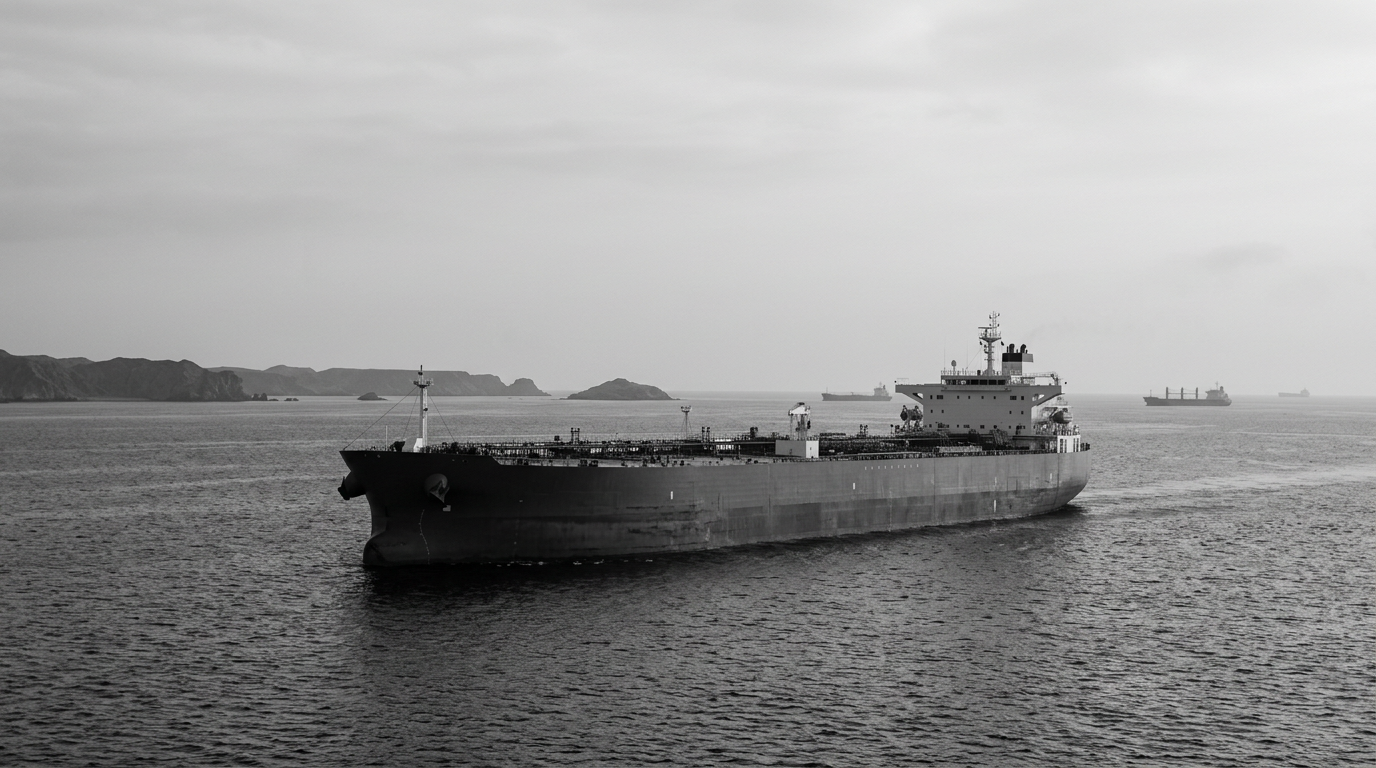
Trump had previously issued an ultimatum demanding that Iran reopen the Strait of Hormuz by Tuesday evening. He threatened to target Iranian power plants and bridges if the demand was not met. The Strait of Hormuz is a strategic chokepoint for global energy flows, and the ultimatum placed the waterway at the center of both the diplomatic track and the military posture described by U.S. officials.
U.S. Defense Secretary Pete Hegseth said strikes would intensify, and he described Monday as the largest volume of strikes since the operation began. He also said further escalation was anticipated for Tuesday. These statements came as negotiations faltered, reinforcing the sense that the diplomatic window was narrowing as the deadline drew closer.
Israel said it carried out strikes on Iran’s South Pars petrochemical complex in Asaluyeh and the Mahshahr complex. Israel asserted that the facilities were rendered inoperable and said they account for approximately 85% of Iran’s petrochemical exports. The claim, if sustained, would be significant for Iran’s export capacity and for market participants tracking supply risks tied to the conflict.
Oil prices moved sharply as traders weighed hopes of de-escalation against continued hostilities. Brent crude futures fell by $1.92 (1.76%) to $107.11 a barrel on Monday before recovering above $108 as fighting continued. The price action reflected rapid shifts in expectations tied to the Strait of Hormuz and the broader trajectory of the conflict.
Military actions continued on multiple fronts. The conflict included an Israeli strike on Tehran and a missile strike in Haifa, Israel, which resulted in four confirmed fatalities. With talks stalled, officials’ statements and the next steps around the Tuesday evening deadline remained key uncertainties for diplomacy, energy markets, and regional security.