Pakistan Pitches Iran-US Truce
Pakistan proposes a two-stage Iran-U.S. ceasefire plan, linking a truce to reopening the Strait of Hormuz, officials said on April 6, 2026.
Lauren Collins ·
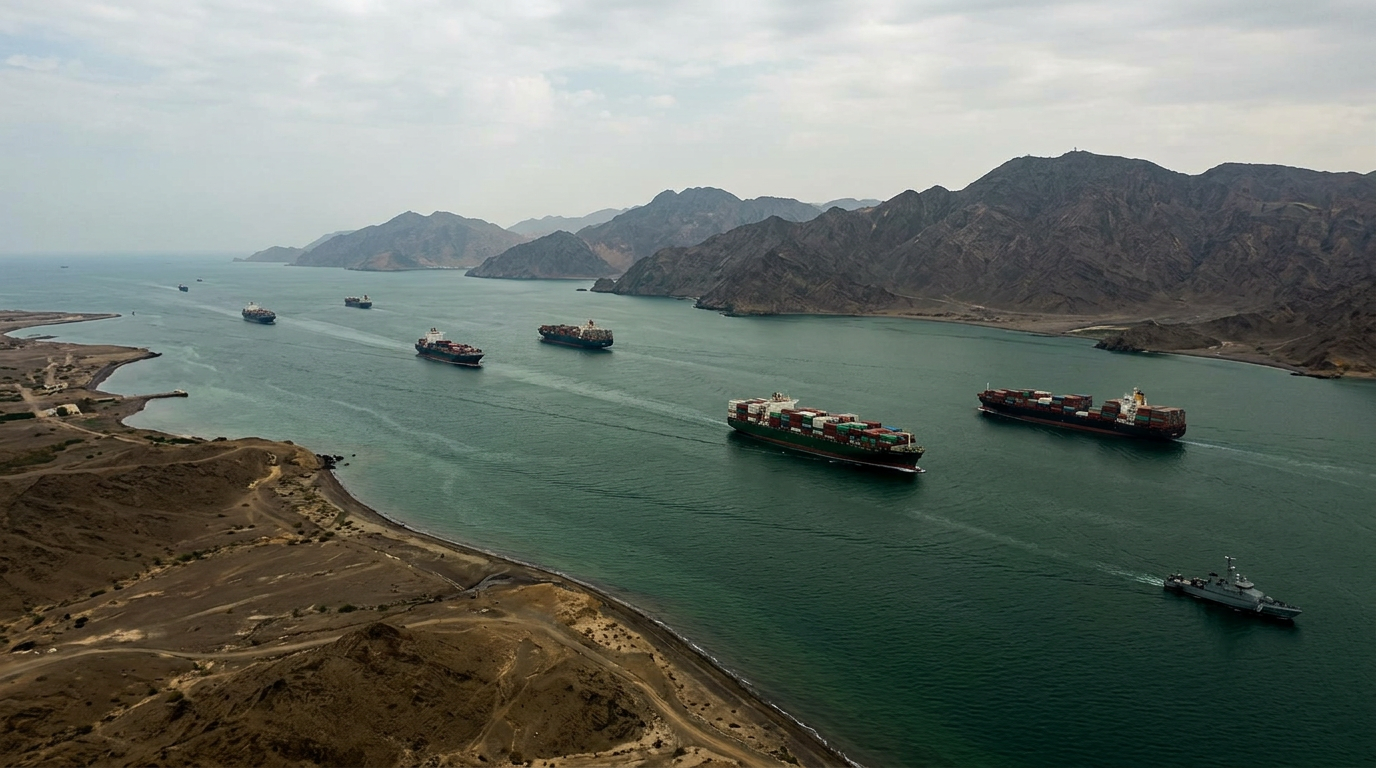
Pakistan has put forward a two-stage proposal aimed at reducing tensions in the conflict involving the United States, Israel, and Iran, while also seeking to restore shipping through the Strait of Hormuz. The framework was disclosed on April 6, 2026, after what was described as intensified diplomatic engagement. Officials said the plan is being reviewed by all sides.
The initiative is designed to deliver an immediate ceasefire and create a route toward a wider, lasting settlement. The hostilities have contributed to regional instability and have resulted in at least 34 fatalities in Iran, according to the information provided. Pakistan’s proposal also centers on reopening the Strait of Hormuz, which officials described as facing a de facto Iranian blockade.
Under the outline, the first phase would pair a ceasefire with the reopening of the Strait of Hormuz. A second phase would then allow a 15-20 day window to complete negotiations on a comprehensive agreement intended to end the confrontation more permanently. The plan has been tentatively labeled the “Islamabad Accord,” according to the details released.
Officials said the broader settlement envisioned in the second stage would include Iranian commitments regarding nuclear weapons. In exchange, the package is expected to involve sanctions relief and the unfreezing of assets. The mechanism for formalizing the understanding was described as an electronically executed memorandum of understanding.
Pakistan’s army chief, Field Marshal Asim Munir, has held ongoing discussions with U.S. and Iranian officials in an effort to secure an understanding around the framework, according to the account provided. The diplomatic push was presented as part of a wider effort to halt escalation and restore stability around a key maritime chokepoint. The Strait of Hormuz is described as a critical route for energy flows, affecting over 20 percent of the world’s oil and gas supplies.
Iran has signaled reservations about key elements of the proposal. A senior Iranian official said Tehran will not reopen the Strait as part of a temporary ceasefire and will not accept deadlines. Separately, Iran’s foreign ministry spokesman, Esmail Baghaei, rejected a prior 15-point plan from the U.S. as “illogical,” while emphasizing Iran’s focus on national security amid ongoing attacks.
What remains unclear is whether the parties can bridge differences over sequencing, timing, and the conditions tied to reopening the Strait of Hormuz. The proposal’s viability also depends on whether an immediate ceasefire can be paired with steps that each side views as credible and enforceable. For global markets and governments, the talks are closely tied to energy security concerns because of the Strait’s role in moving oil and gas to international buyers.