Iran to completely close Hormuz if Trump executes threats on Iranian energy, Revolutionary Guards say
Iran's Revolutionary Guards threatened to close the Strait of Hormuz if the U.S. targets Iranian energy facilities, escalating regional tensions.
Lauren Collins ·
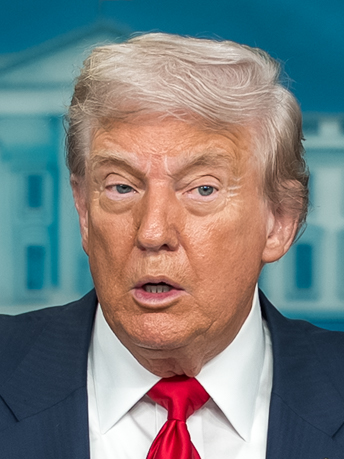
Iran's Revolutionary Guards announced on Sunday, March 22, 2026, that the Strait of Hormuz would be completely closed if the United States targeted Iranian energy infrastructure. This declaration came in response to a prior statement from the U.S. President, who had threatened to "obliterate" Iran's power plants if the Strait of Hormuz was not fully reopened within 48 hours.
This escalation unfolds during the fourth week of an ongoing regional conflict. The Revolutionary Guards further warned that any companies with U.S. financial interests would face destruction if Iranian energy facilities were attacked. Moreover, energy infrastructure in nations hosting American military bases would be considered legitimate targets under such circumstances.
Strategic Chokepoint Significance
Escalating Rhetoric and Regional Stability
Historical Context of Hormuz Threats
Potential Global Economic Repercussions
International Diplomatic Efforts
Implications
Country Impact: The escalating rhetoric could destabilize the broader Middle East, potentially drawing in regional powers and increasing the risk of direct military confrontation. Countries reliant on oil imports from the Persian Gulf would face immediate economic challenges.
Industry Impact: The global energy sector would experience severe disruption, with oil and gas prices likely surging. Shipping and logistics industries would face increased costs and security risks, impacting supply chains worldwide.
Market Impact: Global financial markets would react negatively to increased geopolitical risk, leading to volatility in equity, bond, and commodity markets. Oil futures would see significant upward pressure, while safe-haven assets might gain.