Khatam al-Anbiya threatens to strike US-Israeli infrastructure - The Jerusalem Post
Iran's armed forces threatened US-Israeli infrastructure on March 22, 2026, amid escalating regional tensions over potential attacks on its energy facilities.
Lauren Collins ·
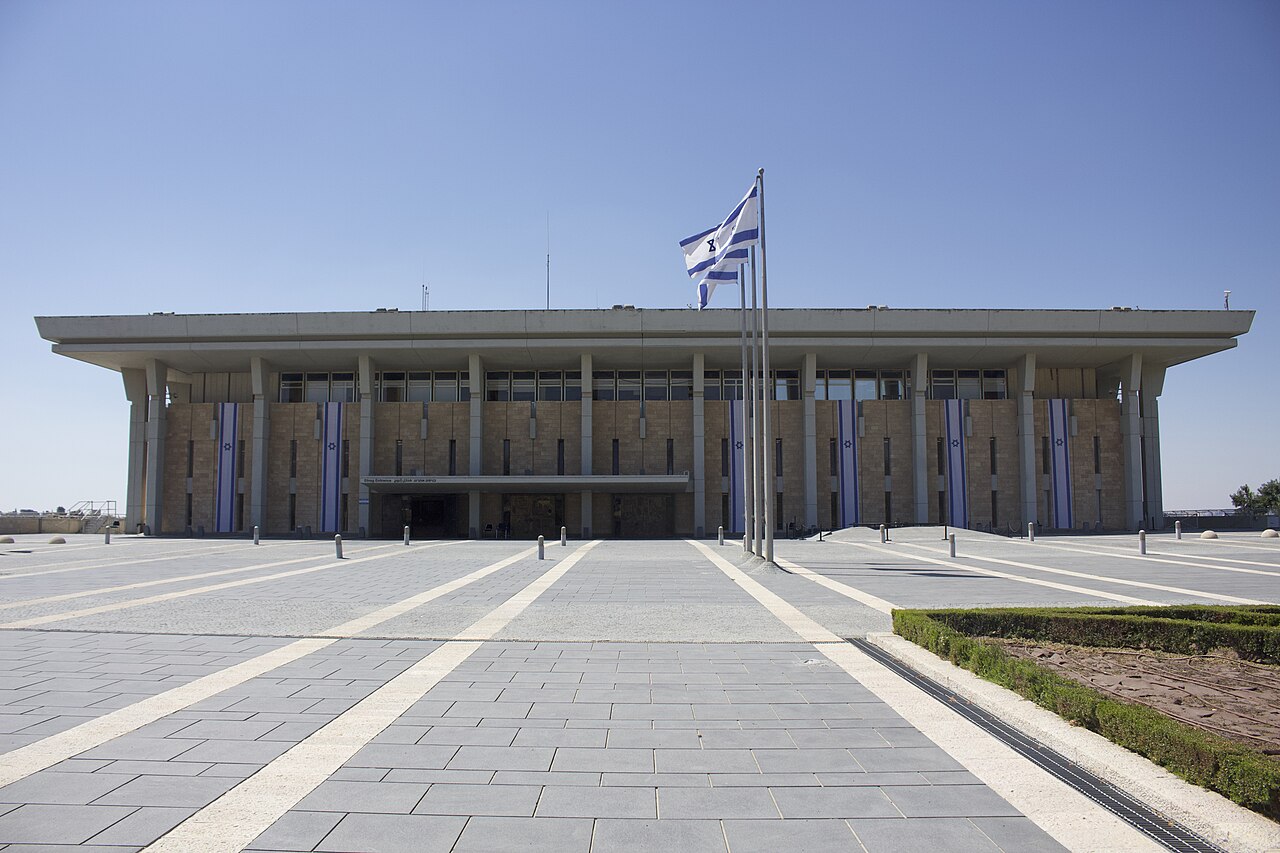
Iran's Khatam al-Anbiya, the unified command of its armed forces, issued a direct warning on Sunday, March 22, 2026, indicating potential strikes against U.S. and Israeli infrastructure. This threat specifically targets energy, information technology, and desalination facilities within the region. The declaration states that such actions would be a direct response to any attacks on Iran's own fuel and energy infrastructure.
This escalation follows a period of heightened regional tensions. Saudi Arabia reported intercepting multiple ballistic missiles aimed at Riyadh and several Iranian drones targeting its Eastern Region on the same Sunday morning. In response to these incidents, Saudi Arabia declared Iran's military attaché and three embassy staff persona non grata, demanding their departure within 24 hours on Saturday, March 21, 2026.
Regional Tensions Escalate
The Iranian threat emerged amidst ongoing disruptions to oil and natural gas exports from the Middle East. These disruptions have been linked to Israeli-U.S. operations and subsequent retaliatory actions by Iran against neighboring Gulf states. The Strait of Hormuz, a critical maritime chokepoint for global energy supplies, remains a focal point of concern.
An alleged infographic from the Islamic Revolutionary Guard Corps (IRGC) had previously warned residents to evacuate Doha, Qatar. However, Iran's state broadcaster subsequently disavowed this graphic, labeling it as fabricated. This incident highlights the complex information environment surrounding the current geopolitical climate.
International Condemnation and Energy Security
International bodies have reacted to the escalating situation. The Group of Seven (G7) foreign ministers convened on Saturday, March 21, 2026, and issued a condemnation of Iran's recent actions. The G7 emphasized its readiness to safeguard global energy supplies and ensure the security of vital maritime routes, including the Strait of Hormuz.
The broader context involves persistent concerns over the stability of energy markets and the potential for wider conflict in the Middle East. Any direct targeting of critical infrastructure could have significant repercussions for global economic stability and energy prices. The interplay between military actions, diplomatic expulsions, and international condemnations underscores the fragility of regional security.
Outlook on Stability
The current trajectory suggests a continued period of elevated risk in the Persian Gulf. The explicit nature of Iran's threat, coupled with recent military incidents and diplomatic expulsions, indicates a hardening of positions among regional actors. International efforts are likely to focus on de-escalation and protecting critical global trade arteries.
Monitoring the responses from the United States and Israel, as well as any further actions by Iran or Saudi Arabia, will be crucial in assessing the immediate future of regional stability. The G7's commitment to protecting energy supplies signals a collective international concern over the potential for widespread economic disruption.
Implications
Country Impact: The direct threat from Iran and Saudi Arabia's diplomatic expulsions signal a significant deterioration in regional relations, particularly between Iran and its Gulf neighbors. This could lead to further retaliatory actions and increased military posturing, impacting national security and stability across the Middle East.
Industry Impact: The energy sector faces heightened risks due to potential attacks on infrastructure and disruptions to shipping lanes like the Strait of Hormuz. This could lead to increased insurance premiums, supply chain volatility, and pressure on oil and natural gas prices. The IT and desalination sectors in the region also face direct threats.
Market Impact: Global financial markets are likely to react to increased geopolitical risk, potentially leading to higher oil prices, a flight to safe-haven assets, and increased volatility in equity markets. Investor confidence in the Middle East could decline, affecting foreign direct investment and regional economic growth forecasts.