Taiwan approves $93B budget, ending 266-day deadlock
Taiwan approves a $93B annual budget on Friday, ending a record 266-day deadlock and replacing provisional funding for services and welfare.
Atlas Newsdesk ·
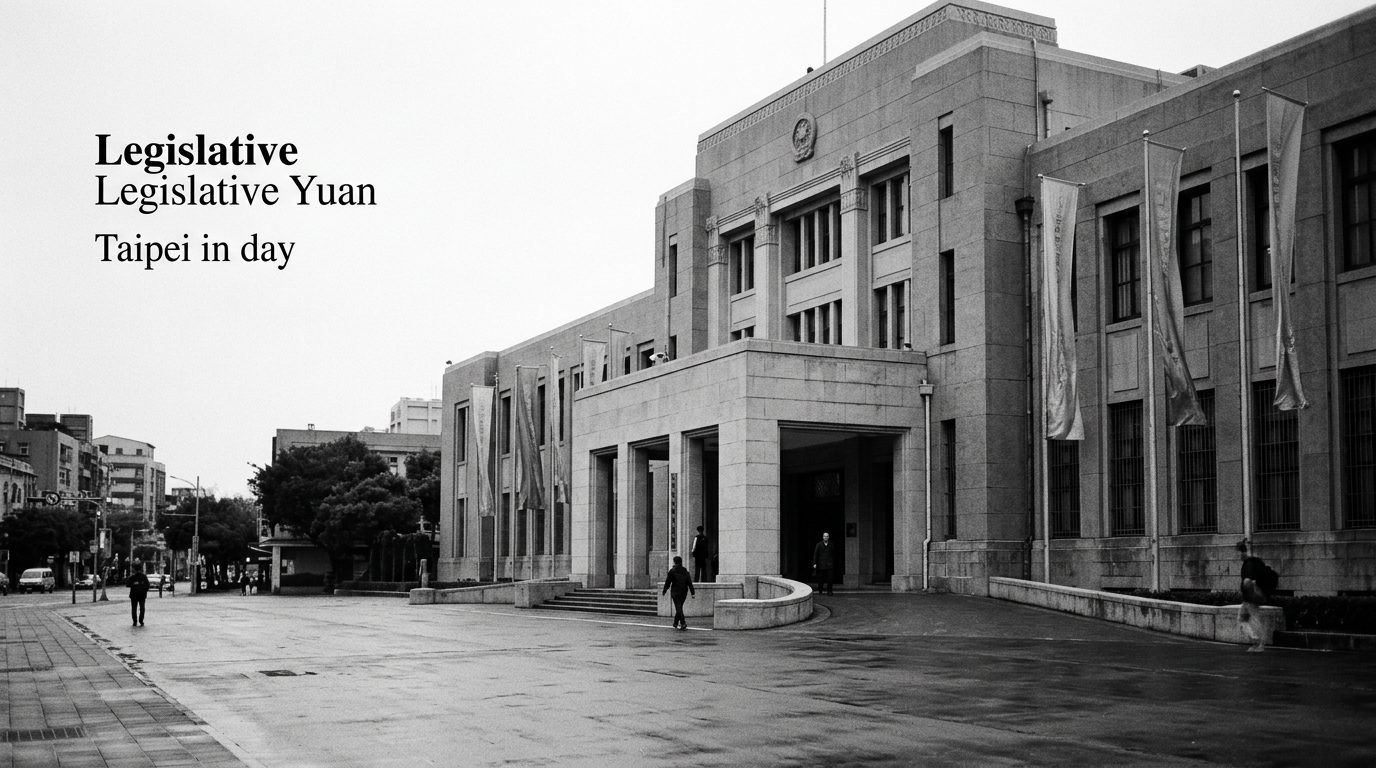
Taiwan’s opposition-controlled parliament on Friday passed an annual budget worth $93 billion, ending what was described as a record 266-day legislative stalemate. Officials said the vote closes a months-long confrontation between President William Lai Ching-te’s administration and a Kuomintang-led opposition majority in the legislature.
During the impasse, the government relied on provisional budgeting to keep essential public services and welfare programs running, officials said. With the full-year package now approved, the executive branch no longer needs interim funding arrangements to cover routine operations and ongoing social spending.
Provisional funding gives way to a full-year spending plan Officials said the stopgap mechanism used during the Officials said the stopgap mechanism used during the deadlock was intended to avoid disruptions to day-to-day governance while lawmakers remained unable to agree on a complete budget framework. The newly adopted budget replaces those temporary measures with a formal plan for the year. Officials framed the shift as restoring a predictable basis for administering public services and continuing welfare programs that had been maintained through provisional budgeting during the impasse. The approval also signals that routine government financing can proceed under a single, legislated framework rather than rolling interim measures. Defense priorities shape the final compromise Officials linked the final outcome to priorities the administration has treated as central to its defense policy as Taiwan faces rising military pressure from Beijing. In that context, the approved package secures funding lines the government considers important to its broader security approach, according to the source material.
President William Lai Ching
A key element preserved in the agreement was funding tied to domestic drone development. Officials and lawmakers have described this as part of an effort to narrow capability gaps, and the retained spending is intended to support domestic work associated with that objective.
Drone funding kept as other areas face cuts
The decision to protect drone-related funding contrasts with an earlier dispute in May, when lawmakers cut a $40 billion special defense budget by 38%. The source material says that earlier reduction effectively eliminated support for indigenous combat drones.
In the latest compromise, legislators preserved drone development funding while agreeing to reductions in other areas. Under the approved package, lawmakers imposed a 50% cut to media policy budgets and adopted a 2.5% reduction in spending for military equipment and facilities, according to the source material.
Capability comparisons cited in the debate
The discussion over drones has included stark comparisons cited in the source material: Taiwan currently has fewer than 5,000 drones, while China has a reported procurement target of 1 million units by 2026. Officials and lawmakers described the preserved funding as aimed at addressing a widening technological gap.
At the same time, the accompanying cuts underscore constraints that may continue to influence negotiations even after the deadlock’s end. While officials presented the newly approved budget as restoring stability to government financing, the source material indicates that political bargaining over priorities remained a defining feature of the final deal.