Grain Imports Surge in Early 2026, Led by Russia and Ukraine
Grain imports saw a significant rise in the first four months of 2026, with major purchases from Russia, Ukraine, Germany, Canada, and China.
Cuneyd Erdogan ·
Grain Imports See Significant Rise in Early 2026
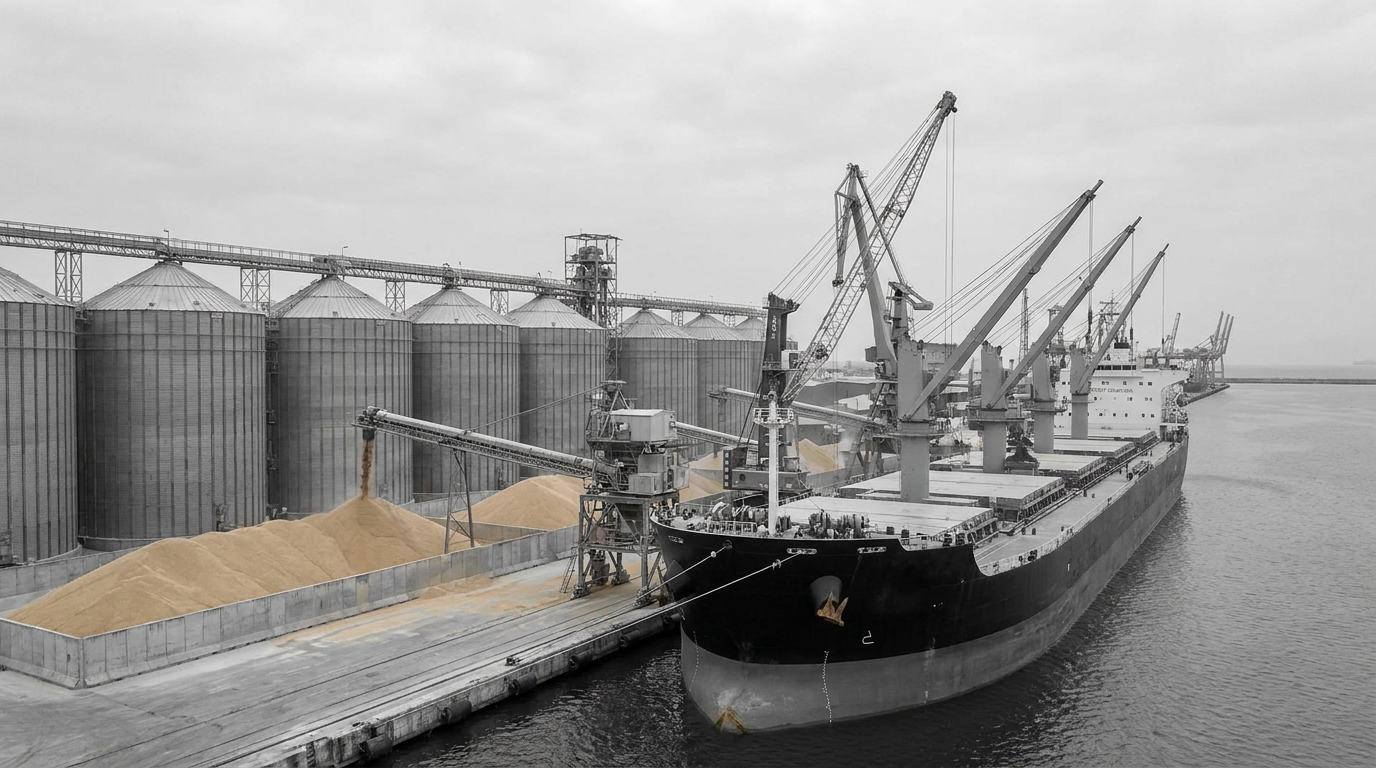
Turkey's grain imports experienced a notable increase during the initial four months of 2026 compared to the same period last year. Data indicates that the Russian Federation and Ukraine remained the primary suppliers for these imports. During this timeframe, substantial increases were also observed in acquisitions from Germany, Canada, and China, largely influenced by a low base effect from previous years.
According to official statistics, grain imports from Russia climbed by 261% year-over-year, reaching $687 million. Imports from Ukraine also saw a 26% rise, totaling $464 million.
Reports indicate that Russian imports stood at $616 million in 2024, then dropped by 69% to $190 million in 2025 due to an import ban. The significant increase in 2026 follows this period of reduced trade.
For Ukraine, imports were $451 million in 2022 and $539 million in 2023, before declining to around $360 million in both 2024 and 2025. The first four months of 2026 show a rebound to $464 million.
Dramatic Increases from Germany, Canada, and China
Official figures reveal that grain imports from China surged by 355%, reaching $34 million. Information suggests that imports from China were halted in 2024, resumed in 2025, and then increased again in 2026.
Grain imports from Germany escalated by over a thousand percent compared to the previous year, amounting to $27.4 million. Similarly, imports from Canada soared by approximately 647 times, reaching $33 million. These exceptionally high percentage increases are attributed to very low import volumes in prior years for both countries.
Beyond Russia and Ukraine, Romania and France were also significant suppliers. Imports from Romania increased by 16% in 2026 compared to 2025, while those from France rose by 110%.
Implications for Industries and Costs
The rise in imports is being closely monitored by sectors sensitive to grain inputs, such as flour, feed, starch, and food processing, due to its impact on raw material supply and cost dynamics. Moving forward, the composition of imports—including origin countries, product types, and prices—along with domestic stock levels and harvest forecasts, are expected to be crucial in determining future import needs and price formation.
One uncertainty is how global geopolitical events, particularly those affecting the Black Sea region, will continue to influence supply chains and pricing. Any disruption could lead to increased volatility in import costs and availability.
This trend highlights the country's reliance on international markets for staple commodities and the ongoing efforts to diversify its sourcing to ensure food security amidst fluctuating global conditions.