

U.S. Delists Syria in Major Foreign Policy Pivot
The United States officially removed Syria from its State Sponsors of Terrorism list on August 26, 2026, aiming to aid reconstruction following regime change.
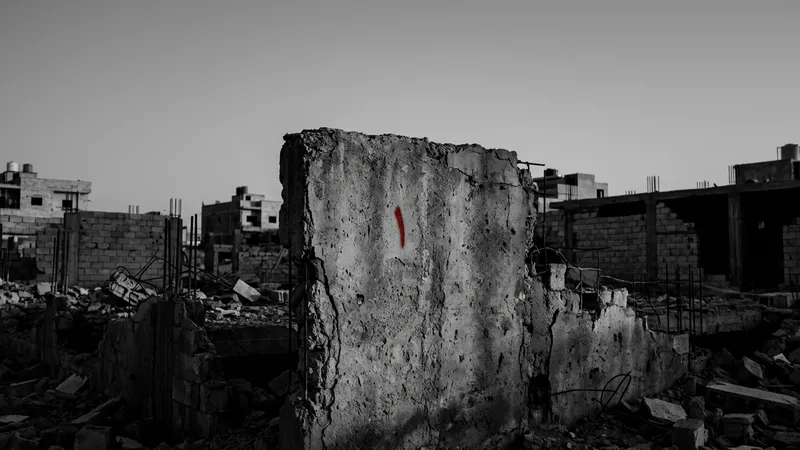
The United States officially removed Syria from its State Sponsors of Terrorism (SSOT) list on August 26, 2026. This decision followed a 45-day review period by the U.S. Congress. The delisting signifies a notable change in the bilateral relationship between the two nations.
This policy reversal comes after the collapse of the Bashar al-Assad regime in December 2024 and the subsequent establishment of a new government led by President Ahmed al-Sharaa. The SSOT designation had been in effect since 1979, imposing significant restrictions on foreign assistance, defense exports, and certain financial transactions involving Syria.
Facilitating Investment and Reconstruction
By lifting this long-standing status, the United States aims to facilitate increased international investment and support reconstruction efforts across Syria. Secretary of State Marco Rubio highlighted formal assurances provided by the al-Sharaa administration as a primary reason for the policy shift. These assurances included commitments to cease support for international terrorism and to cooperate with ongoing counter-terrorism initiatives, particularly against ISIL.
The removal of Syria from the SSOT list leaves Iran, Cuba, and North Korea as the remaining countries on the U.S. terrorism blacklist. While this change removes a significant legal barrier, these nations still face various U.S. sanctions that limit their economic and political interactions with the global community.
Broader Diplomatic Implications
The mechanism of removal is designed to integrate Syria more closely into the U.S.-dominated international banking system. This step could potentially open avenues for financial transactions and trade that were previously restricted, influencing Syria's economic recovery and stability.
The long-term impact of this decision on regional stability, however, will remain subject to continuous diplomatic monitoring and assessment. The delisting represents a strategic move by the U.S. to engage with the new Syrian government and potentially reshape dynamics in the broader Middle East. Observers will be closely watching for how this shift influences international aid, foreign direct investment, and regional security alliances.
The previous designation had severely isolated Syria from global financial systems, complicating humanitarian efforts and hindering any form of economic development not sanctioned by the U.S. The new policy could unlock significant capital flows necessary for rebuilding infrastructure, supporting displaced populations, and fostering economic growth after years of conflict and sanctions.
Historical Context of Sanctions
Syria's initial inclusion on the SSOT list in 1979 was primarily due to its support for various groups deemed terrorist by the U.S. This designation triggered a cascade of sanctions, including prohibitions on arms sales, economic aid, and a requirement for the U.S.
to oppose loans to Syria from international financial institutions. Over decades, these measures deepened Syria's isolation, exacerbating its economic challenges and limiting its ability to engage with the international community on many fronts.
The recent change reflects a fundamental reevaluation of U.S. policy toward Syria, driven by the significant political changes within the country. The U.S. government's decision signals a potential new era for Syrian engagement with the West, though the path to full normalization and widespread economic recovery is expected to be gradual and complex.
More stories
- Senators oppose President Trump diesel deal with Russia
- Hormuz reopening hinges on Iran's seven stated conditions
- Iran offers to mediate after Houthi strike kills 13 at airport
- Ukraine support splits Europe as US rift widens over Kyiv
- US, China discuss reciprocal nuclear-facility visits
- Burnham says Brexit vote faced Russian meddling in 2016
- Israeli Forces Raid UNRWA Center in West Bank Qalandiya
- Hamas and Gaza factions agree to disarm and cede authority
- US Imposes New Sanctions on Iran's Oil, Shipping, Crypto
- US Treasury Threatens Dollar Access Over Iran Ties
Latest news
- Gajwani casts 250,000 startups as India deep-tech base
- Prime Minister Releases Secret Manchester City Meeting Records
- Ghanaian Football Pitches Hamper Player Development, Coach Says
- Hearts Coach Kapor Criticizes Ghana Pitch Conditions
- Amazon’s $7 billion Decart talks test AWS margin strategy
- Amazon talks to buy Decart for $7B as AWS lock-in risk grows
- UBS 58% cloud-growth call puts hyperscaler AI margins on watch
- Brad Pitt, Ines de Ramon Appear Together at Film Festival