Swiss Voters Decline 10 Million Population Limit
Swiss voters have rejected a right-wing initiative to cap the nation's population at 10 million, impacting immigration policy.
Claire Dubois ·
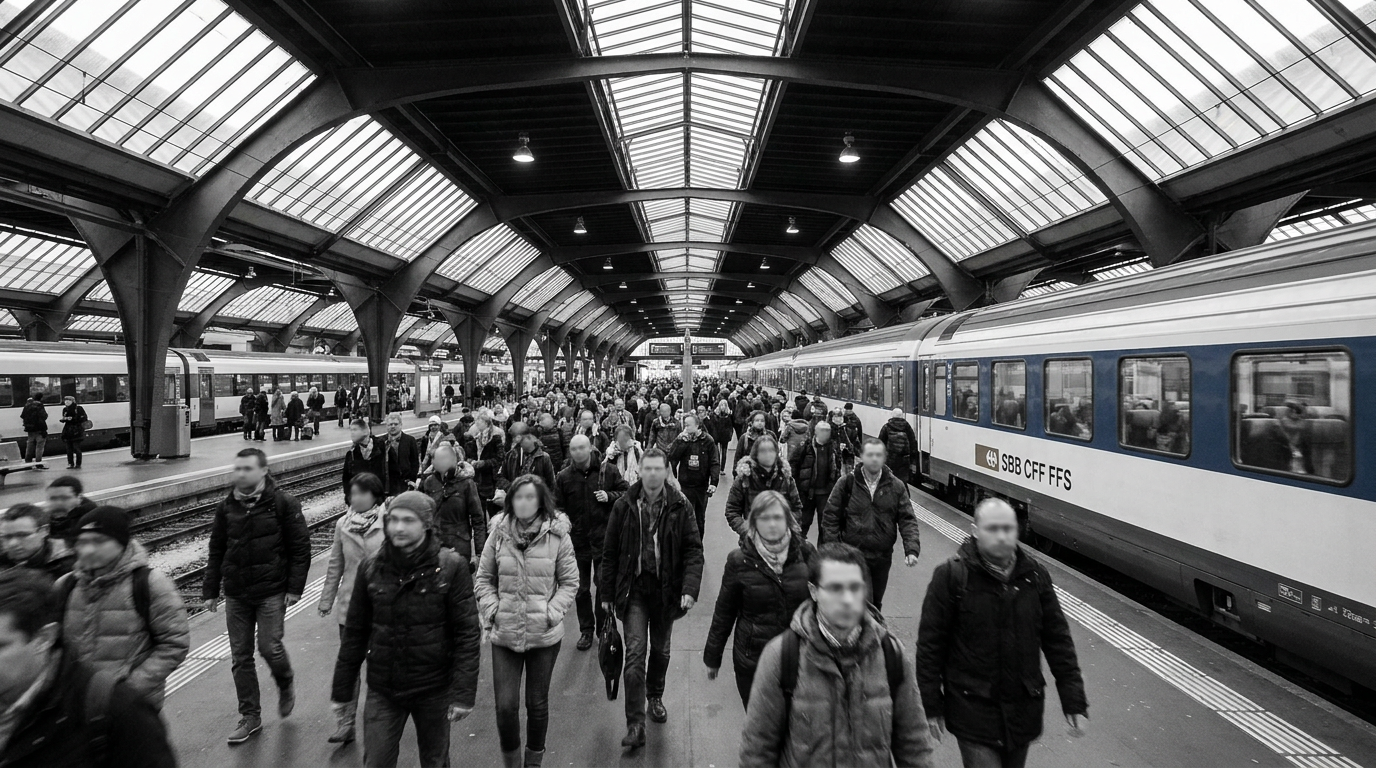
Switzerland's electorate has voted against a proposal to cap the country's population at 10 million, a measure championed by the populist Swiss People’s Party (SVP). Preliminary results on Sunday indicated significant opposition to the initiative, which aimed to curb demographic growth.
This referendum marks a key moment for Swiss immigration policy, with a 57% voter turnout nationwide underscoring the public interest in the country's demographic future.
Referendum Details and Outcomes
The federal government's early data revealed that almost 53% of voters rejected the controversial proposal, with complete results from all 26 cantons still pending. The SVP, the largest party in the Swiss parliament, advocated for the measure, citing concerns about national infrastructure and resources.
The 'sustainability initiative' sought to address perceived pressures on Switzerland's housing, social services, and natural environment due to population growth. However, proponents of continued migration emphasized its benefits to critical sectors like finance, technology, healthcare, and pharmaceuticals.
Economic and International Implications
Critics of the initiative, including the federal government, Parliament, and major business associations like EconomieSuisse, had warned of potential negative ramifications. Many likened the proposal to a 'Swiss Brexit,' fearing it could jeopardize essential agreements with the European Union.
These agreements facilitate economic cooperation, cultural exchange, and cross-border travel, which are vital for non-EU member Switzerland, surrounded by four EU states. The rejection is expected to preserve these crucial international ties.
Population Growth and Context
Switzerland has experienced substantial population growth over the past generation, with its total population increasing by nearly a quarter. Foreign nationals currently constitute almost one-third of the country's residents.
In Geneva, a significant international hub, approximately two-thirds of voters specifically opposed the cap, highlighting regional variations in sentiment. This outcome suggests a public preference for maintaining current immigration levels and the associated economic advantages.