Iran War Deal Prospects Rise Amid Conflicting Timelines
Emerging Iran peace deal hinted by officials. Timeline and strategic implications, like the Strait of Hormuz, remain fluid.
Lauren Collins ·
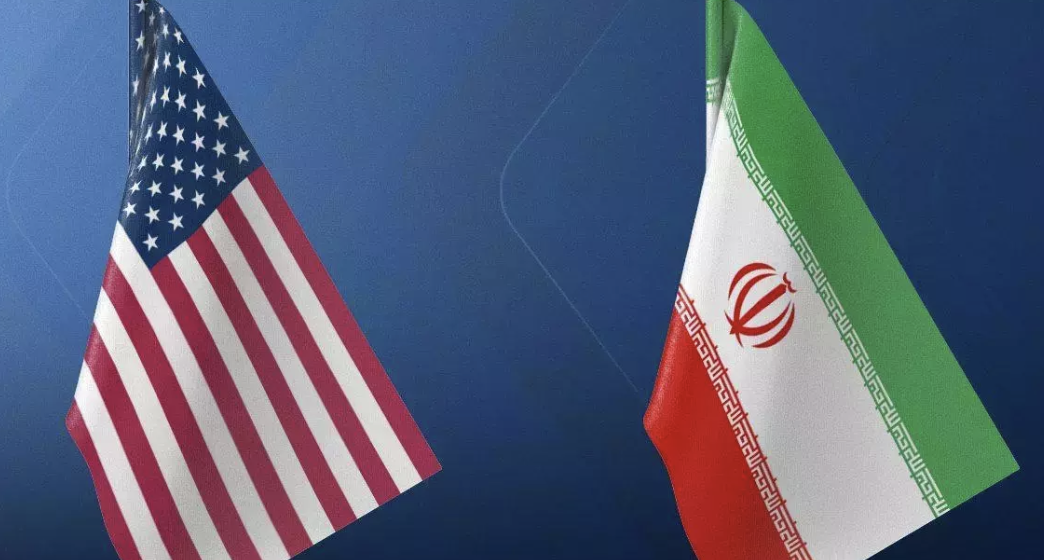
A potential resolution to the conflict in Iran appears to be advancing, with key mediators and the United States indicating that an agreement could be imminent. However, conflicting statements from Iranian officials introduce uncertainty regarding the exact timeline for signing any such pact.
United States President Donald Trump asserted on Truth Social that a deal was "scheduled to get signed" on Sunday. He further suggested that the strategically vital Strait of Hormuz, a critical global conduit for oil and gas shipments, would reopen shortly after the agreement's finalization.
Diplomatic Momentum Builds
Pakistan, serving as a mediator in the ongoing negotiations, also signaled Saturday that a peace deal could be within reach as early as Sunday. This assessment aligns with the optimistic outlook presented by the U.S. administration.
The convergence of these projections from involved parties suggests significant progress has been made behind the scenes. Such statements often precede major diplomatic breakthroughs, indicating a narrowing of differences between the disputing sides.
Conflicting Timelines Emerge
Despite the positive pronouncements from Washington and Islamabad, Iran's foreign ministry spokesperson, Esmail Baghaei, offered a more cautious perspective. Baghaei told Iranian state media that a finalized pact would likely not materialize by Sunday.
While tempering expectations for an immediate signing, he did not rule out a resolution in the near future. "The possibility of this happening in the coming days cannot be ruled out," Baghaei stated, suggesting that while Sunday might be premature, negotiations are still progressing positively towards a conclusion.
Implications for Global Trade
The reopening of the Strait of Hormuz is presented as a significant outcome of any peace agreement. This waterway is paramount for international energy markets, with a substantial portion of the world's seaborne oil passing through it daily.
Any impediment to its free flow has global economic repercussions, impacting energy prices and supply chains. A confirmed reopening would therefore signal a return to stability for crucial trade routes, benefiting all stakeholders reliant on unhindered maritime commerce.
The differing timelines highlight the complex nature of international diplomacy, where internal political considerations and public posturing often accompany substantive negotiations. Observers will closely watch for concrete actions and official announcements that confirm the terms and implementation of any agreement.