Strait of Hormuz blockade tests Trump’s Iran deal and oil
President Trump’s renewed Strait of Hormuz blockade threat escalates the Iran standoff, with shipping traffic down and oil markets exposed to disruption.
Lauren Collins ·
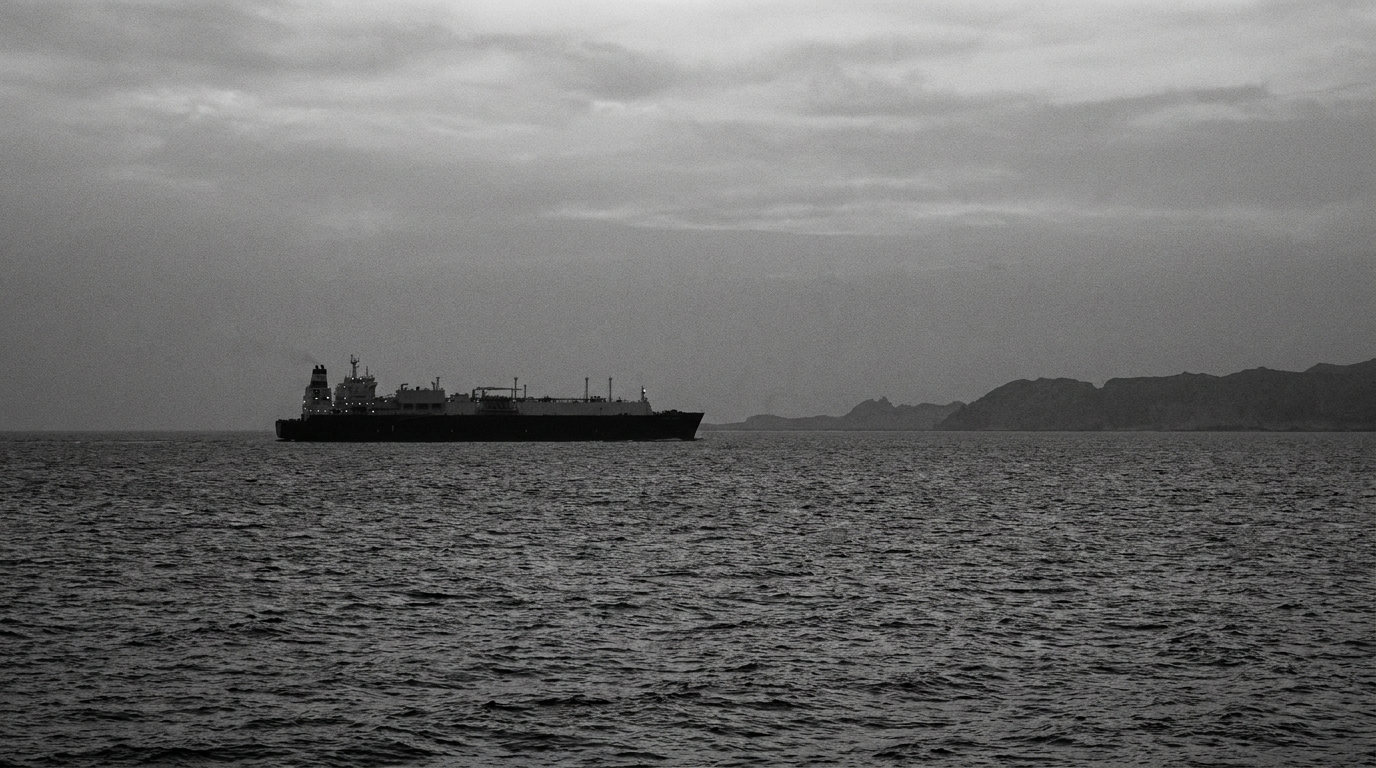
The Strait of Hormuz standoff sharpened after President Trump said the U.S. would restore a blockade on Iranian shipping. Oil markets now face renewed risk.
Trump’s statement on Monday followed additional U.S. strikes and Tehran’s refusal to publicly declare the waterway open, according to the account provided. The clash puts pressure on a June 17 understanding that was meant to reopen the strategic route through diplomacy rather than force.
Trump claims guardian role
The president said the strait was open under U.S. protection and proposed charging 20% of every cargo to cover American costs. He did not explain how the levy would be collected, but said procedures would be drawn up immediately.
Trump framed the move as a permanent U.S. security role, writing that the country would be known as “THE GUARDIAN OF THE HORMUZ STRAIT.” The statement shifts the dispute from safe passage to who controls the terms under which vessels move through one of the world’s most sensitive maritime corridors.
U.S. forces on Monday struck Iranian air defenses, surveillance sites and drone capabilities, an official said in the account. The strikes extended several days of exchanges that began after Iran fired on ships last week to stop traffic through a U.S.-backed route.
Iran’s armed forces rejected Washington’s claim to a management role. “We will under no circumstances allow the United States to interfere in the management of the Strait of Hormuz,” they said.
Traffic drops to 19 vessels
The shipping data cited in the account shows how quickly security concerns are changing behavior at sea. Kpler said confirmed traffic through the Strait of Hormuz over the weekend fell by more than half from the previous weekend to 19 vessels.
Kpler said most ships used either a channel approved by Iran or clandestine routes. Traffic through the U.S.-backed corridor near Oman dried up, according to the firm, reversing part of the recovery that followed the June 17 deal.
For shipowners, the immediate calculation is practical rather than political: route choice now turns on exposure to fire, legal uncertainty and possible charges. A 20% cargo fee, if implemented, would add a new cost layer to voyages already facing higher risk.
Oil markets are exposed because the strait is a critical passage for energy cargoes, though no independently verified flow figure was available in the provided material. The source states that the preliminary deal initially pushed oil prices sharply lower, before the dispute evolved into regular exchanges of fire.
Paragraph 5 becomes flashpoint
The reported memorandum centers on Paragraph 5, which says Iran will arrange to restore shipping and then work with Oman on future administration of the waterway. The same paragraph also includes an Iranian pledge to ensure safe passage and remove military obstacles, including mines.
That wording created space for competing interpretations. Washington appears to be treating safe passage as a basis for direct enforcement, while Tehran is arguing that control of the strait remains outside U.S. authority.
Analysts cited in the account said a military takeover of Hormuz would require either a major ground invasion or a hazardous naval operation. Trump has so far avoided that route, which the account says could carry high U.S. casualties.
If the U.S. can enforce protection without expanding the conflict, shipping could return to the Oman-adjacent route and oil-market pressure may ease through more predictable passage. In that scenario, Trump’s deal gains leverage, Kpler would likely record a traffic recovery, and insurers and shipowners would focus on the cost of any cargo charge.
If Iran keeps ships away from the U.S.-backed corridor, the macro effect would run through higher energy-risk premiums and disrupted cargo planning. The Trump agreement would weaken, Kpler’s traffic data would remain a key barometer, and the maritime sector would rely more on Iran-approved channels or covert routing.
If Oman-mediated administration talks regain traction, the mechanism would be different: fewer strikes, clearer navigation rules and a path back to the safe-passage pledge in Paragraph 5. The open questions are whether the 20% charge can be enforced, whether Iran will keep contesting U.S. protection, and whether shipowners will trust either side’s guarantees.