Trump announces Iran blockade to keep Hormuz open
Donald Trump said the US would use naval force to keep the Strait of Hormuz open, raising a fresh geopolitical risk for energy markets.
Mateo Fernandez ·
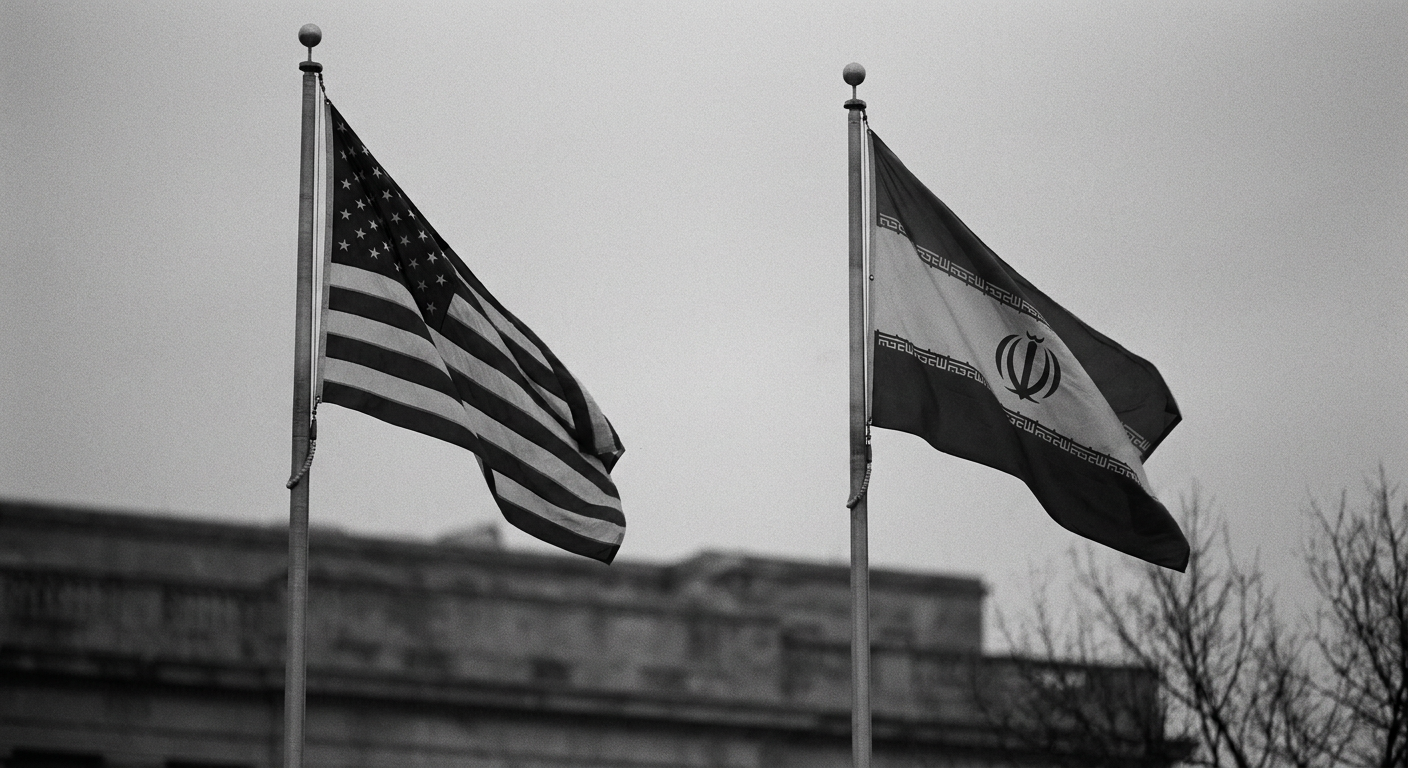
Donald Trump announced on Monday that the US would impose a naval blockade directed at Iran, saying the Strait of Hormuz would remain open “with or without Iran.” Market reaction was not immediately available.
The statement puts one of the world’s most sensitive energy corridors at the center of a direct US-Iran confrontation. Officials said the stated goal is to prevent any disruption to passage through Hormuz, a chokepoint closely watched by oil traders, shipping companies and governments reliant on Gulf energy flows.
Hormuz blockade risk widens
The announcement matters because a blockade introduces military, legal and logistical questions at a time when any threat to maritime traffic can quickly feed into oil-price risk. The source material did not include operational details, including the size of the naval deployment, the rules of engagement or whether allied governments had been consulted.
For markets, the immediate channel is risk premium rather than confirmed supply loss. If vessels keep moving through Hormuz, the macro effect may be limited to higher insurance costs and more volatile crude pricing. If shipping is delayed, rerouted or attacked, the pressure would shift from sentiment to physical supply and refinery margins.
For the US administration, the next test is whether the announcement is followed by formal orders, visible naval positioning or diplomatic clarification. For energy companies and tanker operators, the key uncertainty is whether insurers, port authorities and charterers change behavior before any physical disruption occurs.
By July 14, 2026, investors will be watching for official US defense guidance, Iranian reaction and early moves in crude, tanker rates and Gulf shipping notices.