Star Trek Marks 60 Years Since NBC Debut, Early Struggles
launched the original Star Trek series on September 8, 1966, facing initial critical indifference and tough competition.
Ayla Demirhan ·
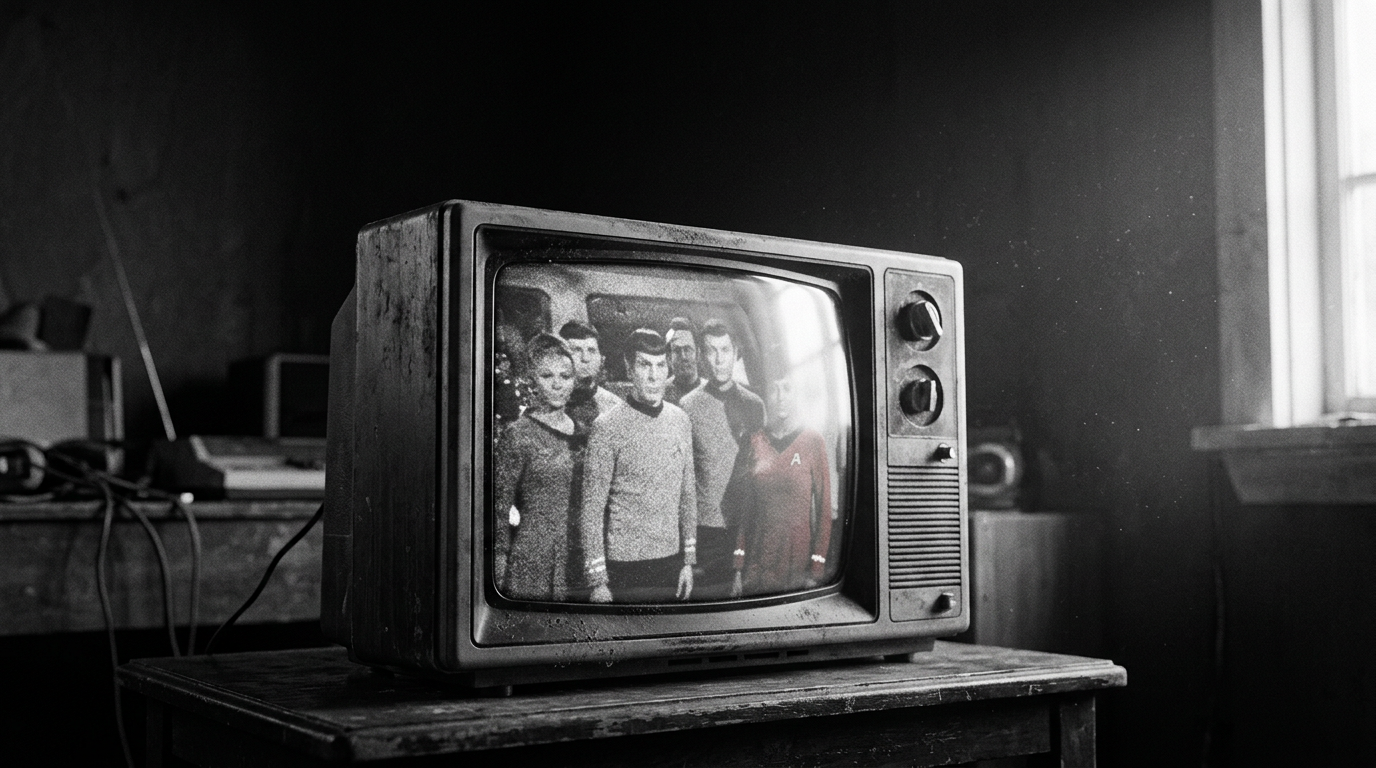
launched the original Star Trek series on September 8, 1966, introducing audiences to Captain Kirk and Spock despite initial critical indifference and a challenging broadcast schedule.
Early Production Navigated Cast Changes
The concept for Star Trek publicly emerged on November 25, 1964, when columnist Hedda Hopper mentioned actress Susan Oliver's green-painted slave-girl role for the pilot episode, "The Cage." TV Guide reported on December 12, 1964, that Jeffrey Hunter was filming a science fiction series for Desilu. Hunter, initially cast as Captain Christopher Pike, declined to reprise his role for a second pilot after "The Cage" failed to sell the show.
William Shatner subsequently replaced Hunter, with TV Guide noting the change in late May 1965. considered Star Trek as a midseason replacement for its 1965-66 schedule. Shatner's pilot, "Where No Man Has Gone Before," filmed in July 1965, aired 14 months later, revealing inconsistencies like two chief medical officers and a helmsman also serving as a physicist.
Initial Broadcast Faced Critical Indifference
The first episode to air, "The Man Trap," premiered on September 8, 1966, introducing key characters like Kirk, Spock, McCoy, Sulu, and Uhura. Scotty and Chekov debuted in later episodes; Montgomery Scott appeared in "Where No Man Has Gone Before" (the third episode aired), and Pavel Chekov in the second-season premiere, "Amok Time."
Critics initially reviewed "The Man Trap," an episode many found nonsensical. Of 24 critics polled by Television Magazine, only five rated it "good," 13 were "indifferent," and eight deemed it "bad." The Hollywood Reporter offered a brief positive review, describing Kirk and Spock as "government scientists" and the episode as featuring "people running in and out of rooms and passageways excitedly."
Competitive Time Slots Challenged Ratings Star Trek faced a difficult initial time slot Star Trek faced a difficult initial time slot on Thursdays at 8:30 p.m., competing directly with top-10 programs "My Three Sons" on and "Bewitched" on. The series benefited from being scheduled between two top-30 shows, "Daniel Boone" and "Dragnet," for much of its first season. Despite winning its time slot against reruns during its debut week, subsequent episodes like "Charlie X" and "Where No Man Has Gone Before" fell to second place once new episodes of "My Three Sons" aired. A midseason shift of "Bewitched" to 8:30 p.m. further impacted Star Trek's ratings, pushing it to last place. Desilu, the studio behind the show, was sold to Gulf + Western and renamed Paramount Television in February, near the end of the first season. Future Trajectories for Franchise Expansion The enduring legacy of Star Trek, despite its early struggles, suggests several paths for the franchise. If Paramount Global continues to prioritize streaming content, new series and films could expand the universe, potentially attracting younger demographics and leveraging existing intellectual property for subscriber growth. This would reinforce the company's position in the competitive streaming market, impacting its overall valuation.
Conversely, if the focus shifts back to theatrical releases, the studio might invest in fewer, larger-budget films, aiming for blockbuster success. This strategy could generate significant box office revenue for Paramount, but carries higher risk if films underperform, affecting the company's quarterly earnings. The wider entertainment industry would observe whether a franchise built on television can consistently translate to major cinematic success, influencing investment in other legacy properties.
A third scenario involves a balanced approach, with both streaming and cinematic projects, alongside interactive experiences like video games. This diversification could stabilize revenue streams for Paramount Global and broaden the franchise's appeal across various media. For the global macro picture, the success of such a diversified media strategy could signal resilience in the entertainment sector against economic downturns, as consumers seek varied forms of escapism and engagement.