Sri Lanka Rate Hike Signals More Tightening Ahead
Sri Lanka's central bank significantly raised its policy rate by 100 basis points due to inflation and currency depreciation.
Atlas Newsdesk ·
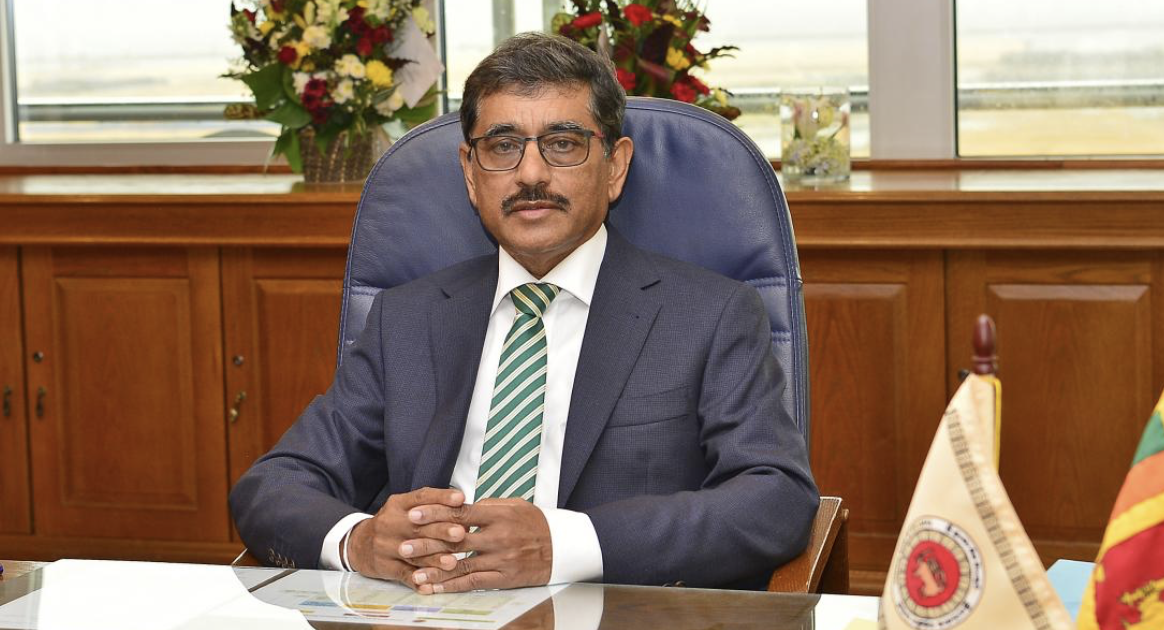
Sri Lanka's financial authorities implemented a substantial 100 basis point increase in its key policy rate, signaling a proactive stance against escalating inflation and a weakening currency. The surprise move, bringing the overnight policy rate to 8.75% from 7.75%, marks the most aggressive tightening measure in three years.
This decision by the Central Bank of Sri Lanka (CBSL) reflects growing concerns over inflationary pressures and the depreciating rupee, elements exacerbated by geopolitical tensions in the Middle East. The significant hike underscores the delicate economic recovery phase the island nation is navigating.
Inflationary Pressures Mount
The CBSL cited rising inflation and the local currency's downturn as primary drivers for the aggressive rate adjustment. The rupee has experienced an 8.7% depreciation since early March, adding to the economic pressures. This inflationary surge is directly linked to increased global energy costs, a consequence of ongoing conflict impacting international supply chains.
Analysts widely expected a more modest adjustment, with most forecasts pointing to a 25 basis-point increase. The magnitude of the CBSL's decision surpassed these expectations, highlighting the central bank's urgency in addressing the unfolding economic challenges.
Economic Outlook Dims
The country is only recently emerging from a severe financial crisis in 2022, which left lasting impacts on businesses and households. The current economic instability, compounded by disruptions stemming from the Middle East conflict, is poised to hinder its recovery trajectory.
Gareth Leather, Senior Asia Economist at Capital Economics, commented on the development, stating that the sharp rate increase highlights Sri Lanka's susceptibility to global crises. He suggested that further tightening measures might be necessary if the regional conflict persists.
The economic implications of this policy shift are significant, potentially impacting borrowing costs for businesses and consumers alike. This move aims to stabilize the currency and curb inflation, though it may also dampen short-term economic growth as credit becomes more expensive.
Moving forward, market observers will closely monitor the CBSL's subsequent actions and the broader impact on Sri Lanka's economic stability. The effectiveness of these measures in balancing inflation control with economic growth will be crucial in the coming months.