Middle East Conflict Halts Football Finalissima
Middle East conflict leads to cancellation of Spain vs. Argentina 'Finalissima' football match in Doha, Qatar, due to safety concerns.
Lauren Collins ·
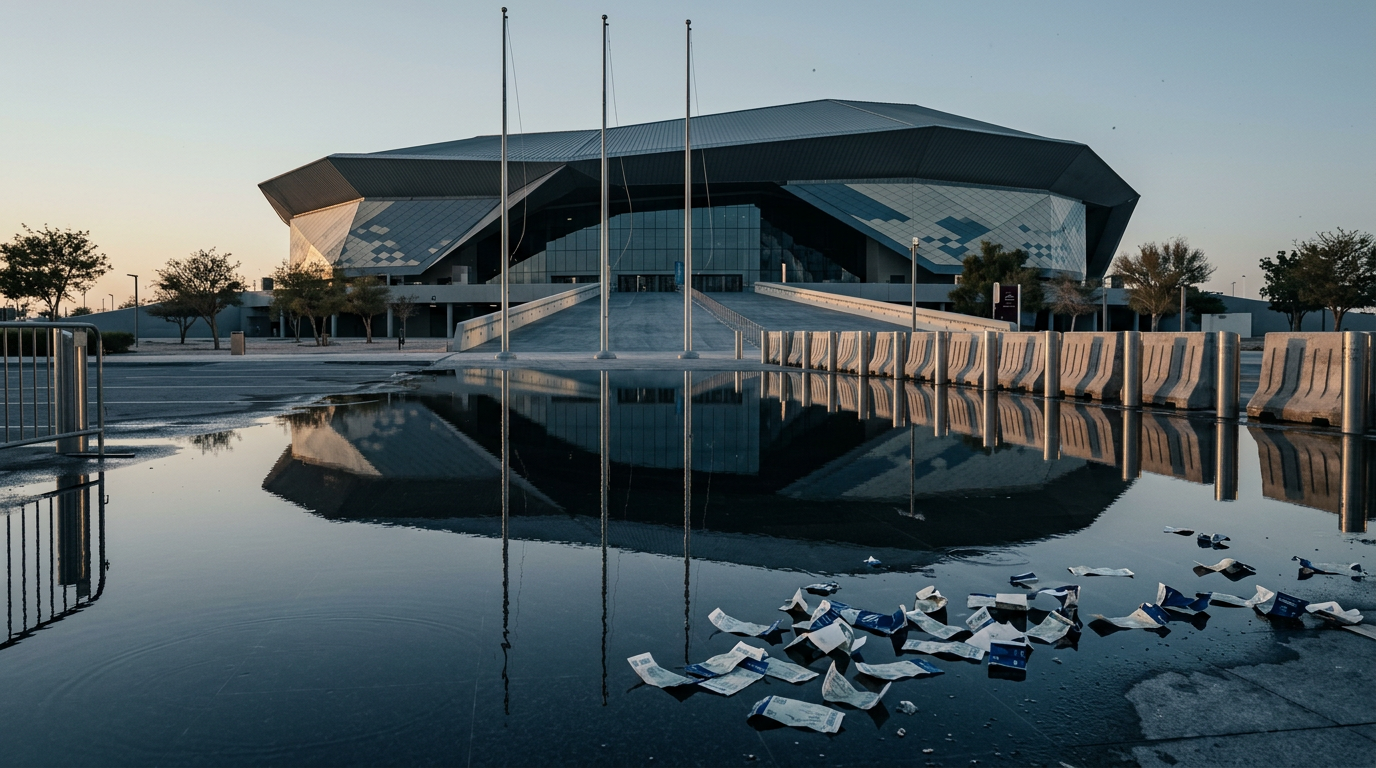
A planned football match between European champions Spain and Copa América winners Argentina, known as the 'Finalissima,' has been canceled. The fixture, originally scheduled for March 27 in Doha, Qatar, was called off by UEFA due to escalating geopolitical tensions in the Middle East. This decision follows recent US-Israeli military actions against Iran, which have heightened regional instability and raised safety concerns for large public gatherings.
UEFA, European football's governing body, confirmed the cancellation on Sunday after consultations with Qatari organizers. The match was slated to take place at Lusail Stadium, the venue designated for the 2022 FIFA World Cup final. The broader Qatar Football Festival, which included several international fixtures, is also affected by this development.
Logistical Challenges and Alternative Proposals
UEFA explored various alternative arrangements to salvage the Finalissima. These included proposals to host the match at a neutral European venue, such as Spain's Santiago Bernabéu stadium, or to convert the event into a two-legged series. However, these suggestions were ultimately rejected by the Argentinian Football Association (AFA).
Argentina's Counter-Proposals and Scheduling Conflicts
As a result of the cancellation, alternative arrangements have been made for the participating teams. Serbia will now host Spain on March 27 and subsequently play Saudi Arabia on March 31. This adjustment allows the European teams to fulfill their international match obligations despite the disruption to the original Finalissima schedule.
Broader Implications for Sports Events
The decision reflects a cautious approach by UEFA and Qatari authorities to prioritize safety amidst an unpredictable security environment. The inability to find a mutually agreeable alternative venue or date for the Finalissima also points to the complexities of coordinating international football schedules and the differing priorities of national federations.
Implications
Country Impact: Qatar's efforts to establish itself as a major international sports hub face scrutiny, as geopolitical instability in the broader Middle East impacts its ability to host high-profile events. This cancellation could influence future decisions by international sports bodies regarding event locations in the region.
Industry Impact: The global sports industry, particularly football, demonstrates its vulnerability to geopolitical tensions. Event organizers and national federations must increasingly factor in regional stability when planning international fixtures, potentially leading to more conservative venue selections or robust contingency planning.
Market Impact: While direct financial market impact is minimal, the cancellation reflects broader risk aversion in the region. Investors may perceive increased geopolitical risk, potentially affecting tourism, hospitality, and event-related sectors in the Middle East, though the immediate effect on global markets is limited.