Iran Guards Threaten Netanyahu Amid Regional Escalation
Iran's Revolutionary Guards threatened Israeli PM Netanyahu on March 15, 2026, amid escalating regional hostilities and oil disruptions.
Lauren Collins ·
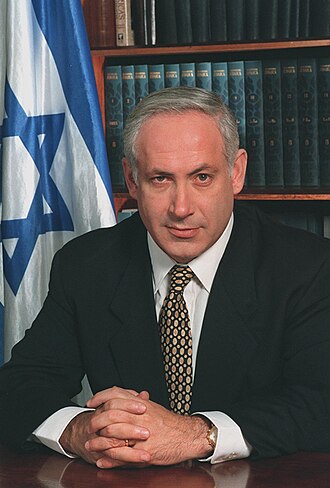
Iran's Revolutionary Guards Corps (IRGC) declared on Sunday, March 15, 2026, their intention to target Israeli Prime Minister Benjamin Netanyahu. This statement emerged amidst a significant escalation of hostilities in the Middle East, following Israeli military operations in western Iran and reported Iranian drone attacks against Israeli targets.
The IRGC's vow to "pursue and kill" Netanyahu underscores a deepening conflict. This development follows Israel's initiation of extensive military strikes within Iranian territory. Concurrently, Iran's military claimed responsibility for drone assaults on Israeli police units and a satellite communications center, indicating a direct exchange of military actions between the two nations.
Regional Military Posturing Intensifies
In response to the escalating situation, Israel approved an emergency budget totaling $827 million. This funding is specifically allocated for military acquisitions, signaling an intent to bolster its defense capabilities. The Norwegian Prime Minister, Jonas Gahr Stoere, commented on the deteriorating regional stability, noting that the conflict appears to be intensifying without a clear de-escalation strategy.
Economic Repercussions and Oil Disruptions
The conflict has had immediate economic consequences, particularly impacting oil production and exports. Iraq's oil ministry reported a substantial 70% reduction in crude oil output from its southern fields. Production levels plummeted to 1.3 million barrels per day, with the ministry attributing this decline to the ongoing hostilities hindering Gulf export operations.
Further complicating the energy landscape, Kurdish authorities have reportedly refused to restart oil exports via the critical Ceyhan pipeline. This refusal exacerbates concerns about regional oil supply stability and global energy markets. The Strait of Hormuz, a vital shipping lane, has also been affected, with Iran reportedly blocking passage.
International Calls for De-escalation
Amidst these developments, Iran's Foreign Minister urged France and other international actors to refrain from actions that could further inflame the Middle East. This appeal followed calls from U.S. President Donald Trump for an international naval deployment to secure the Strait of Hormuz, a move that Iran views as provocative. The international community remains on high alert as diplomatic efforts struggle to keep pace with the rapid military escalation.
Outlook on Geopolitical Stability
The current trajectory suggests a heightened risk of broader regional conflict. The direct threats against political leaders, coupled with military engagements and economic disruptions, create a volatile environment. Global powers are closely monitoring the situation, with concerns centering on potential spillover effects on international trade, energy prices, and geopolitical alliances.
The interplay between military actions, economic pressures, and diplomatic appeals highlights the complex and interconnected nature of the Middle East's security challenges. The coming weeks will be crucial in determining whether de-escalation efforts can gain traction or if the region will descend into further instability.
Implications
Country Impact: The direct threat against Israel's Prime Minister by Iran's IRGC significantly raises geopolitical tensions between the two nations, potentially leading to further retaliatory actions. Iraq's oil sector faces severe disruption, impacting its national revenue and stability.
Industry Impact: The global energy industry faces increased volatility due to significant oil production cuts in Iraq and the blockage of the Strait of Hormuz. This could lead to higher crude oil prices and supply chain disruptions for international markets.
Market Impact: Global financial markets are likely to react with increased risk aversion, potentially impacting equity markets, driving up oil prices, and strengthening safe-haven currencies. Defense sector stocks may see gains due to increased military spending.