Spain Seeks Frontex Aid for Ceuta Migration Surge
Spain's Interior Minister has requested Frontex support for approximately 5,000 migrants in Ceuta, following recent mass crossings and heightened tensions.
Lauren Collins ·
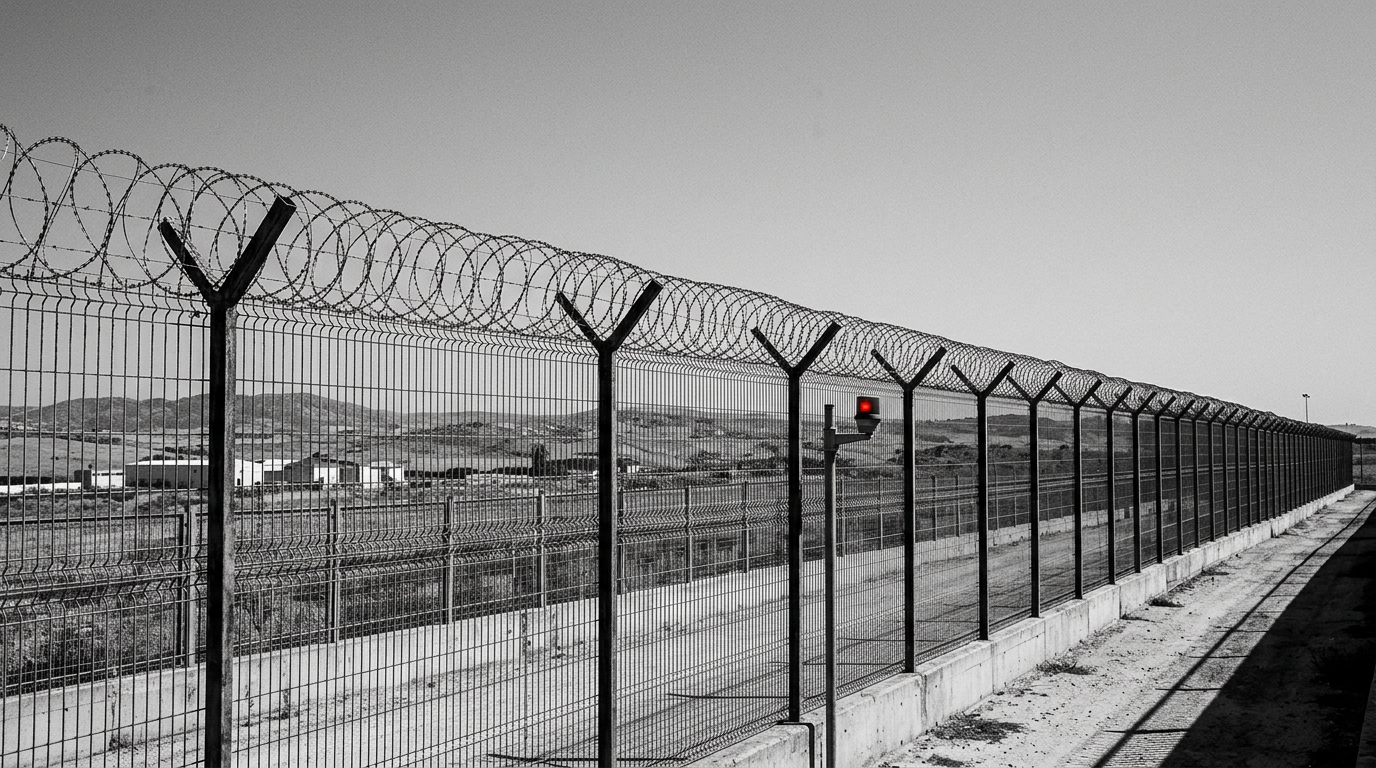
Spain has formally appealed to the European Border and Coast Guard Agency, Frontex, for operational assistance to manage a significant influx of migrants in its North African enclave of Ceuta. The request, submitted by Interior Minister Fernando Grande-Marlaska to the European Commission on Friday, specifically seeks the deployment of ten additional Frontex officers. These personnel are intended to expedite the identification and screening processes for an estimated 5,000 migrants currently present in the territory.
This urgent appeal follows a major border incident on July 30, when approximately 72,000 individuals crossed into Spanish territory from Morocco. Official reports confirm that this mass crossing tragically resulted in 96 fatalities across both sides of the border. Spanish authorities are now focused on determining the legal status of the remaining migrants, a critical step to either grant international protection or initiate repatriation procedures.
Recent Border Challenges and Public Reaction
The administrative request to Frontex coincides with rising civil unrest within Ceuta. Local residents have voiced strong opposition to the growing migrant population, leading to various incidents. These have included the destruction of temporary shelters erected on Trampolin Beach and instances of violent confrontations involving local security forces, underscoring the escalating tensions on the ground.
In addition to seeking personnel, Madrid has also submitted a formal application for emergency funding from the European Union. This financial aid is crucial for mitigating the humanitarian and security challenges that have emerged from the ongoing situation in the enclave. The request highlights the substantial resources required to manage such large-scale migratory pressures.
Broader EU Implications for Border Management
The European Union's response to Spain's twin requests—for Frontex officers and emergency financial support—is expected to significantly influence future strategies for managing external borders. This scenario in Ceuta serves as a stark reminder of the intricate balance between national sovereignty, international humanitarian obligations, and regional security concerns that exist within the EU framework.
Observers will closely monitor the outcome of this situation for its broader implications on cross-border cooperation among EU member states. It will also offer insights into how the Union intends to balance stringent enforcement measures with fundamental human rights considerations in similar border enclaves facing migratory challenges. The effectiveness of the EU's integrated approach to migration will be tested by these developments.