South Korea Unveils Record ₩821 Trillion 2027 Budget Plan
South Korea has revealed a record ₩821 trillion 2027 budget, a 12.8% increase, focusing on AI and semiconductors, shifting from austerity.
Atlas Newsdesk ·
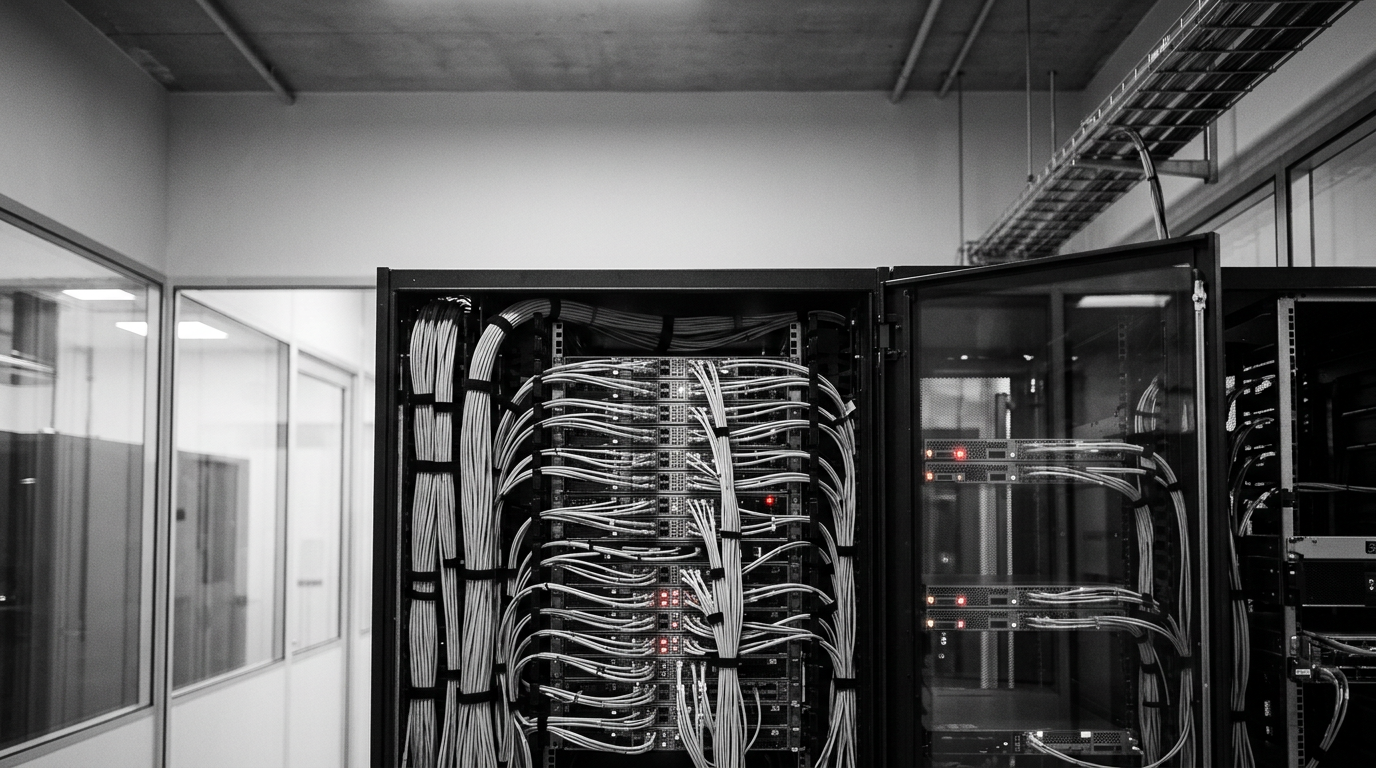
South Korea has announced its fiscal strategy for 2027, projecting a record expenditure of 821 trillion won, equivalent to approximately 600 billion US dollars. This proposed budget represents a substantial 12.8% increase compared to the 2026 budget, marking a significant shift from several years of fiscal austerity towards a more expansionary approach. The government aims to boost the nation's competitive standing, particularly in high-technology sectors, through this substantial financial commitment.
Key allocations within this new budget are specifically earmarked for advancing artificial intelligence (AI) and semiconductor industries. This targeted investment underscores South Korea's dedication to strengthening its global leadership in these strategically vital technological domains, following a three-year period concentrated on fiscal discipline.
Investing in Future Technologies
The core of this expansionary budget is its focus on strategic high-tech industries. By injecting significant funds into AI and semiconductors, Seoul intends to secure its long-term economic prosperity. This move is seen as a direct response to intense global competition in advanced technologies, positioning South Korea at the forefront of innovation. The government's confidence in the continued robust growth of the technology sector forms the foundation of its financial outlook for the coming years.
Officials anticipate a considerable increase in national revenue to support this unprecedented spending plan. Total tax receipts are projected to climb by 40.7%, reaching 584.4 trillion won. A major driver of this expected growth is a forecasted doubling of corporate tax receipts, which are predicted to hit 216.7 trillion won.
Projected Revenue and Fiscal Stability
This significant surge in corporate tax income is directly attributed to the record profits expected from South Korea's prominent domestic semiconductor manufacturers, officials stated. This robust revenue growth is largely tied to sustained global demand for high-bandwidth memory components, a primary export of the nation's technology giants. The government's fiscal approach heavily relies on the cyclical performance of the semiconductor industry to finance both long-term industrial policies and essential infrastructure development.
Despite the notable increase in spending, the South Korean government forecasts an improvement in its national debt metrics. Officials anticipate a reduction in the debt-to-GDP ratio by 3.3 percentage points, bringing it down to 48.3%. This forecast represents a decrease from the 51.6% estimated for 2026, indicating a strategy to expand fiscal outlays while simultaneously managing public debt levels.
The pivot from a period of fiscal restraint highlights a strategic decision to invest heavily in future-oriented industries. The success of this new strategy will be closely tied to the sustained strong performance of the global semiconductor market and the effective allocation of funds to achieve desired technological advancements. The budget emphasizes the government's commitment to leveraging its established economic strengths to secure long-term prosperity and enhance its global influence, particularly within high-tech domains.