French Wildfires Threaten Wine Quality, Tourism Revenue
France's wine industry faces challenges from 2026 wildfires and high temperatures, impacting product quality, grape ripening, and vital tourism revenue.
Atlas Newsdesk ·
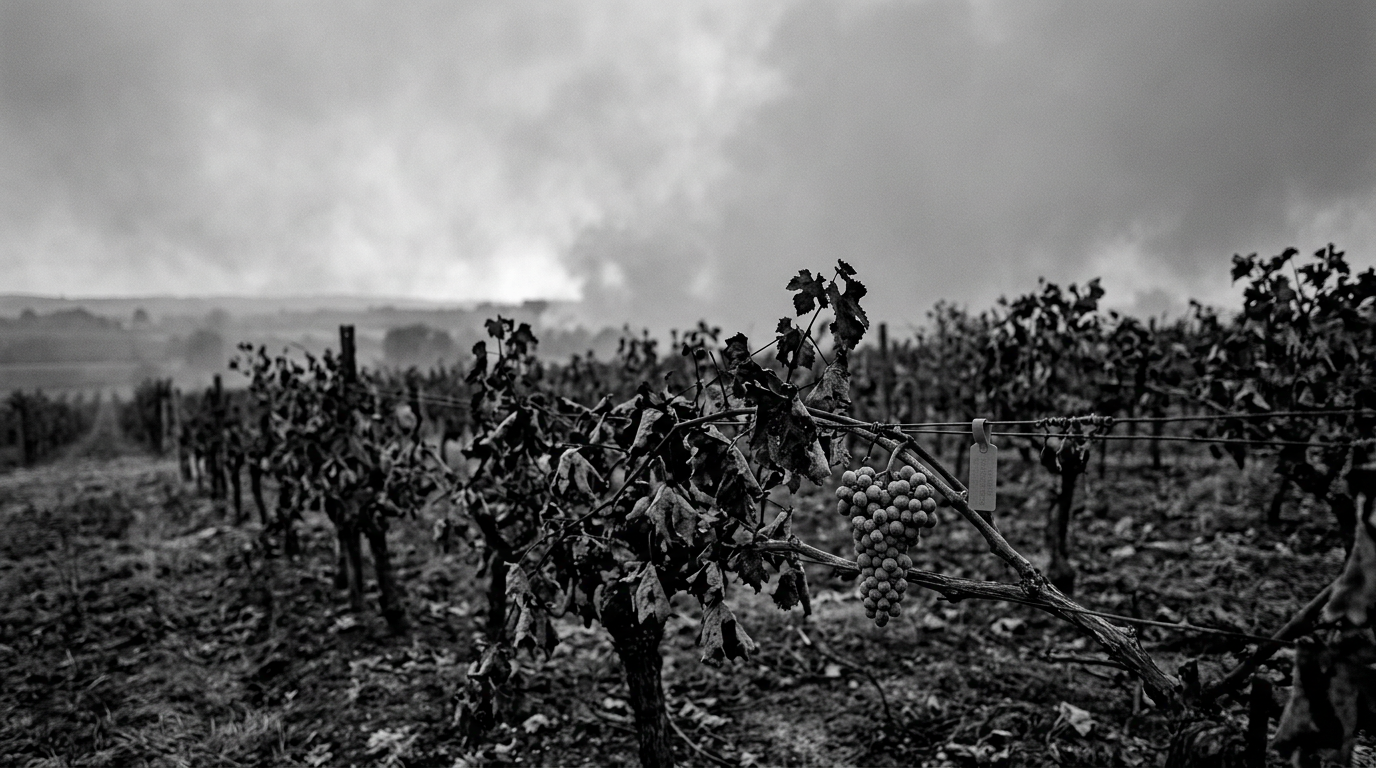
France's renowned wine sector, a key contributor to its agricultural exports, is grappling with significant challenges stemming from climate-driven wildfires and record-high temperatures observed in 2026. Severe heatwaves and widespread blazes during the summer, particularly in crucial regions such as Gironde, Bordeaux, and the Rhone Valley, necessitated considerable operational adjustments for wine producers.
These environmental pressures are prompting concerns about the quality of the product and the level of tourist engagement. The 2026 wildfire season caused extensive damage, with an estimated 465,000 hectares of land burned across the country. While vineyards experienced limited direct fire damage, the subsequent exposure to smoke poses a substantial risk to the final wine quality.
Impacts on Grape Integrity
Smoke particles can permeate grape skins, potentially leading to a condition known as smoke taint. This phenomenon alters the chemical composition and flavor profile of the wine during the fermentation process, which could degrade its overall quality. Producers are actively seeking ways to mitigate this risk to maintain their high standards.
Beyond smoke taint, accelerated ripening cycles, triggered by temperatures reaching up to 40 degrees Celsius, further complicate established production standards. These rapid changes challenge the traditional methods employed for cultivating and processing grapes, making it difficult to achieve the consistent quality for which French wines are celebrated. The integrity of the grapes is under increasing stress from these environmental factors, demanding innovative agricultural practices.
Economic Consequences for Tourism
The implications of these environmental shifts extend beyond agricultural production. The French wine industry relies significantly on tourism, which represents an increasingly vital source of income for many estates. Disruptions caused by wildfire activity, including evacuations and travel advisories, deter visitors, resulting in economic setbacks for vineyards and related businesses in affected areas.
This decline in consumer foot traffic exacerbates the difficulties faced by producers. Many wineries depend on direct sales and experiences provided to tourists, and a reduction in visitors directly impacts their revenue streams and long-term financial stability. The dual challenge of climate and economic strain requires multifaceted solutions.
Adapting to a Changing Climate
As global climate patterns continue to evolve, with Europe experiencing some of the fastest warming trends globally, the long-term viability of traditional grape-growing regions in France is undergoing intense scrutiny. Producers are contending with the dual challenge of preserving grape integrity amidst escalating environmental stressors while simultaneously managing reduced tourist numbers.
This situation necessitates adaptive strategies to safeguard both agricultural output and economic stability. The ongoing assessment of these impacts underscores a broader need for resilience within the agricultural sector. The integration of new cultivation techniques, such as drought-resistant grape varieties, early detection systems for wildfires, and diversification of revenue streams, may become essential for the sustained success of French vineyards in the face of a changing climate. Stakeholders are closely monitoring developments to adapt to these evolving conditions and ensure the future of this iconic industry.