Coal demand jumps after Strait of Hormuz closure shock
Coal demand is rising after the Strait of Hormuz closure disrupted oil and LNG flows, lifting prices and pushing utilities toward coal.
Atlas Newsdesk ·
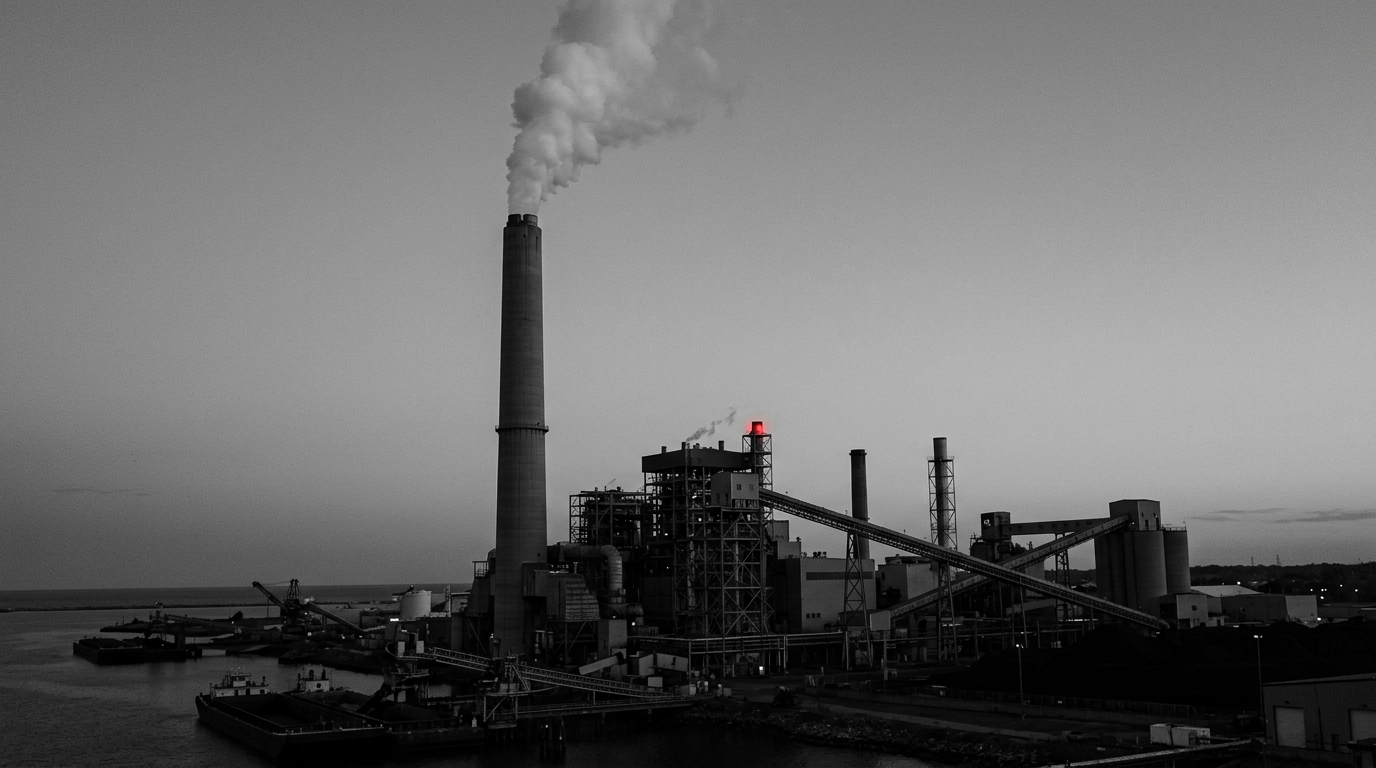
Global coal use is rising as a conflict involving the United States, Israel, and Iran disrupts energy transport routes and prompts countries to rely more heavily on coal to keep power systems stable, officials and market participants said.
The shift has been linked to the closure of the Strait of Hormuz, a major maritime chokepoint that carries about 20% of global oil and liquefied natural gas supplies. The disruption has contributed to higher prices and more volatile supply conditions, adding pressure on governments and utilities to lock in alternative fuels.
Strait of Hormuz disruption reshapes fuel choices
Concerns about near-term fuel availability have intensified Concerns about near-term fuel availability have intensified, particularly in economies that depend on imported oil and LNG for electricity generation. With supply risks elevated, coal has been used more aggressively in power planning because it is widely available and, in many markets, cheaper than gas during supply shocks, according to the information provided. The changes are showing up both in policy signals and in day-to-day operations. Several major economies in Asia have moved to reverse or delay decarbonization commitments that had aimed to reduce coal use, reflecting a trade-off between emissions goals and immediate grid reliability. Japan, South Korea, and Pakistan adjust power planning Japan has brought high-emission power plants back into operation, according to the information provided. South Korea has postponed previously scheduled timelines for phasing out coal.
United States
In Pakistan, electricity generation from imported coal rose by 90% through July compared with the same period a year earlier. Officials and market participants pointed to this as an example of how quickly power systems can shift fuels when gas availability tightens and price swings intensify.
Coal prices climb as output and profits respond
Coal prices reached $131.85 per tonne in July, up from $102.20 a year earlier, according to the figures cited. The higher price environment has encouraged exporting countries to maximize supply, with nations including Indonesia abandoning production caps to benefit from sustained demand.
Rising demand has also supported producer financial results. Thungela Resources, based in South Africa, reported that its half-year profits doubled, helped by a 38% production increase at its Queensland, Australia operations.
Supply outlook and key uncertainty
Data from Ember points to a potentially longer-lasting supply response if current conflict conditions persist. Under that scenario, Ember projects global coal output will rise by 1.8% by the end of 2026.
Officials and market participants said the duration of the shift back toward coal will depend on developments affecting energy transit routes and the stability of oil and LNG supplies. Coal is described as more affordable in this environment but more carbon-intensive than alternatives.