Unitree IPO soars 600% amid US robot import ban
Unitree shares surged 600% in its China IPO as retail demand climbed, even as US defense and import restrictions add uncertainty abroad.
Atlas Newsdesk ·
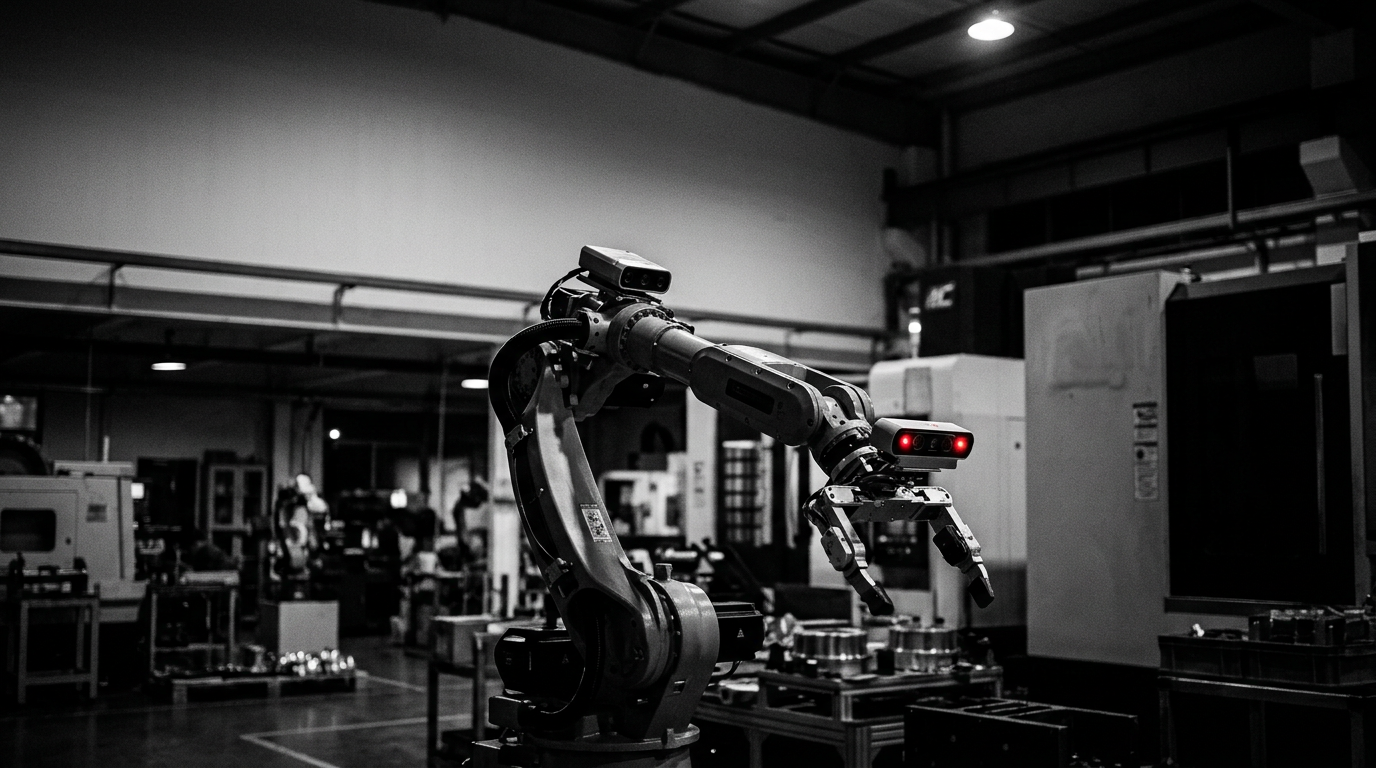
Unitree, a maker of humanoid robots, saw its share price surge 600% during its initial public offering on the Chinese stock market. The debut pointed to strong retail investor demand and lifted the valuation implied by early trading, as investors positioned for growth in humanoid robotics.
Even with the enthusiastic reception, the listing highlighted the regulatory and security risks that can surround cross-border technology businesses. Unitree entered public markets as humanoid and quadruped robots increasingly face policy controls and national security scrutiny.
Retail demand collides with a long-horizon growth narrative
United States Market expectations cited alongside the listing include a projection that the humanoid robotics sector could expand sharply over the next decade. The same view forecasts growth from $2 billion in 2025 to $300 billion by 2035, a trajectory that has become central to the investment case for companies building general-purpose machines designed to operate in real-world environments. Unitree’s IPO rally underscored how strongly retail investors in China’s onshore market are reacting to that longer-run growth story. The move also showed how quickly sentiment can reprice companies that are perceived to sit at the center of a fast-scaling technology theme. US designations and restrictions add uncertainty At the same time, Unitree faces obstacles tied to regulation and security concerns in the United States. The United States Department of Defense has designated the firm as a contributor to the Chinese defense industrial base, citing potential national security implications.
Federal Communications Commission has implemented a ban on Separately, the U.S. Federal Communications Commission has implemented a ban on the import of future models of foreign-made humanoid and quadruped robots. As described, the restriction focuses on future models and introduces uncertainty for companies aiming to sell advanced robotics products into the US market.
Overseas expansion remains a key variable
These US actions create operational risk for Unitree’s international expansion and its longer-term prospects in Western markets. The combination of an official designation and an import ban can influence market access, commercial partnerships, and the pace at which a company can build customers outside China.
Real GDP Growth
The situation also reflects how robotics is being treated as a strategic technology within wider technological competition among major global powers. In that environment, policy decisions can shift quickly and can translate into direct commercial consequences for robotics manufacturers.
For investors, one unresolved question is whether additional export controls or related measures will be introduced as governments adjust rules around advanced robotics hardware. Unitree’s market debut showed demand, but the regulatory path for overseas growth remains an important uncertainty.