Somali Referee Omar Artan to officiate Super Cup
Somali referee Omar Artan, denied U.S. entry for the World Cup, will officiate the UEFA Super Cup, UEFA announced.
Mehmet Şahinoğlu ·
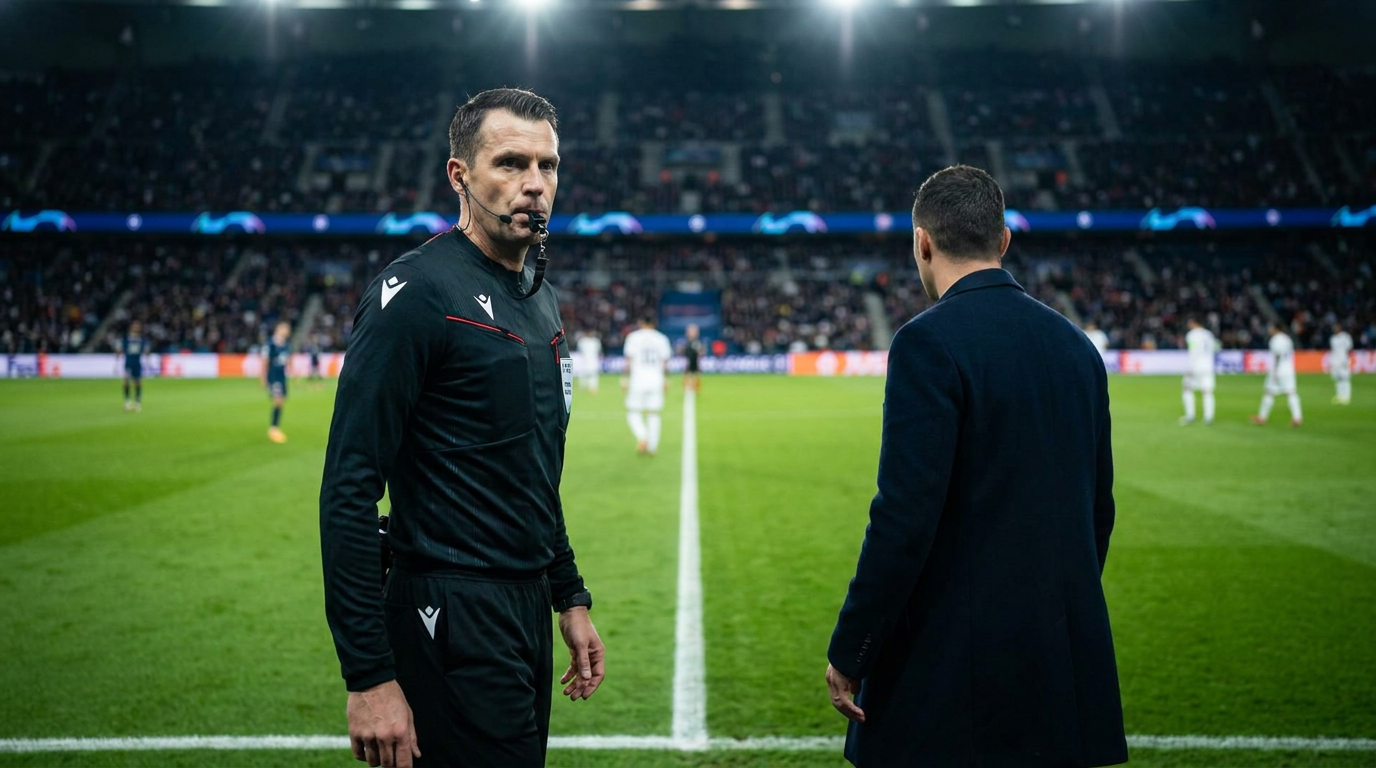
UEFA announced on Thursday that Somali referee Omar Artan will officiate the 2026 UEFA Super Cup. The match, scheduled for August 12 in Salzburg, Austria, will pit Champions League winners Paris Saint-Germain against Europa League winners Aston Villa.
This appointment comes after Artan was removed from the FIFA World Cup officiating roster due to being denied entry into the United States. A U.S. State Department official cited alleged associations with suspected members of terrorist organizations as the reason for the denial.
Collaborative Decision-Making
The decision to assign Artan to the Super Cup was made in cooperation with the Confederation of African Football (CAF). UEFA President Aleksander Ceferin underscored Artan's experience and officiating prowess in CAF competitions as crucial considerations. Ceferin emphasized football's capacity to unite people and foster unity and non-discrimination.
Support from African Football Leadership
CAF President Patrice Motsepe voiced his support for the appointment, highlighting Artan's recognition as the CAF men's referee of the year in 2025 and his initial selection for the 2026 FIFA World Cup. Motsepe characterized the Super Cup assignment as an honor for Artan and for African referees, symbolizing collaboration between African and European football organizations.
Artan's appointment, despite his previous denial of entry into the U.S. for the World Cup due to alleged links to terrorism, could spark diplomatic discussions. This action by UEFA, in partnership with CAF, might be interpreted as a stance against perceived political intervention in sports and an affirmation of meritocracy within football. However, it also carries the potential for criticism from nations prioritizing security and could complicate future visa procedures for athletes and officials with similar backgrounds.
While offering a significant chance for Artan and African referees to achieve global recognition and strengthening bonds between UEFA and CAF, the decision introduces a layer of geopolitical tension into a prominent sporting event. The immediate attention will be on the match itself, but the underlying theme of security concerns versus sporting inclusion is anticipated to persist, influencing future conversations regarding international athlete mobility and the independence of sports bodies.