Somali Pirates Seize Two Vessels, Six Indians Among Crew
Somali pirates recently seized two vessels, including a Cameroon-flagged cargo ship with six Indian crew members, raising concerns for Red Sea and Gulf of…
Mateo Fernandez ·
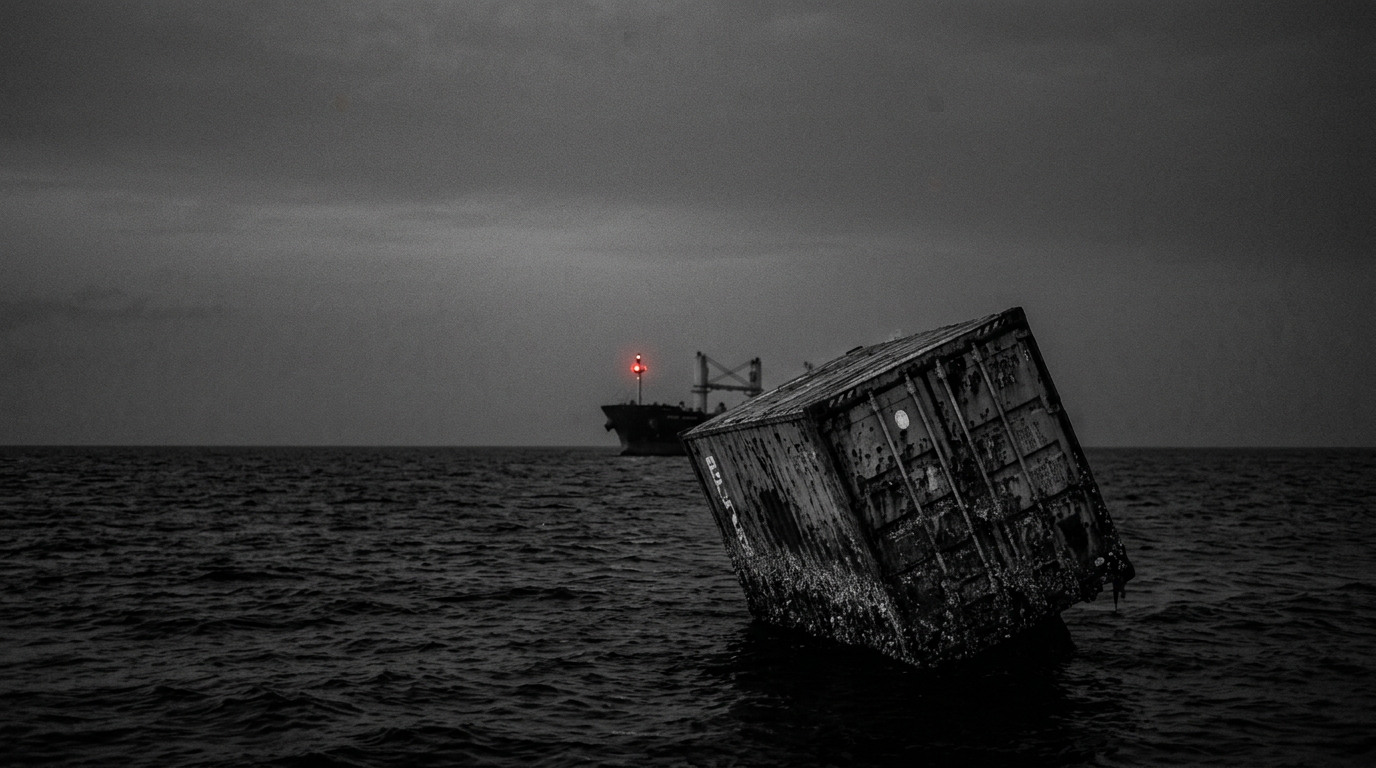
Somali pirates have conducted two separate vessel seizures within a four-day period, impacting international shipping lanes. One incident involved a Cameroon-flagged cargo ship carrying six Indian nationals, while the other targeted a tanker reportedly linked to Iran's 'shadow fleet'. These events occurred in international waters situated near the coasts of Somalia and Yemen, according to officials.
Authorities have not yet released the specific names of the seized vessels, details regarding their cargo, or the current condition of the crews, beyond confirming the nationality of those aboard the Cameroon-flagged ship. Regional naval and coastguard units are actively monitoring these situations and are collaborating with merchant shipping operators to address the developing circumstances.
Heightened Risks for Shipping and Trade
The recent increase in piracy acts is anticipated to lead to higher freight insurance premiums for vessels traversing the critical Red Sea and Gulf of Aden corridors. Additionally, ships may face increased costs associated with rerouting their journeys to avoid these high-risk areas. Such measures, including elevated premiums and potentially longer voyages, could diminish the available tanker capacity globally.
This reduction in capacity has the potential to drive up the delivered costs for various commodities, including oil, which frequently transit through these vital maritime choke points. The cumulative effect of these developments underscores a renewed threat to global supply chains and trade stability in a strategically important region.
Historical Context of Somali Piracy
Somali piracy reached its peak between 2008 and 2012, significantly disrupting global shipping and necessitating a robust international naval response. During this period, numerous vessels were hijacked, and millions of dollars were paid in ransoms, leading to substantial economic losses for the maritime industry.
International naval operations, including fleets from NATO, the European Union, and individual nations, played a crucial role in suppressing these attacks by patrolling the Gulf of Aden and the broader Indian Ocean. The implementation of best management practices by merchant vessels, such as increased security measures and armed guards, also contributed to the decline in successful hijackings.
Current Situation and Future Outlook
While the frequency of Somali pirate attacks had significantly decreased in recent years, these latest incidents suggest a potential resurgence of activity. This development necessitates a reassessment of security protocols and vigilance for vessels operating in the region. The ongoing geopolitical complexities in the Red Sea and Gulf of Aden, including other maritime security concerns, further complicate the operational environment for commercial shipping.
Officials have indicated that further operational updates regarding these two vessel seizures are expected within the next 48 hours. The international community and maritime industry stakeholders will be closely watching for these updates and any subsequent actions taken to mitigate the renewed piracy threat.