Panama Canal Cuts Daily Ship Transits Amid Severe Drought
The Panama Canal Authority is implementing new daily transit limits, effective September, due to persistent drought and low water levels impacting global…
Atlas Newsdesk ·
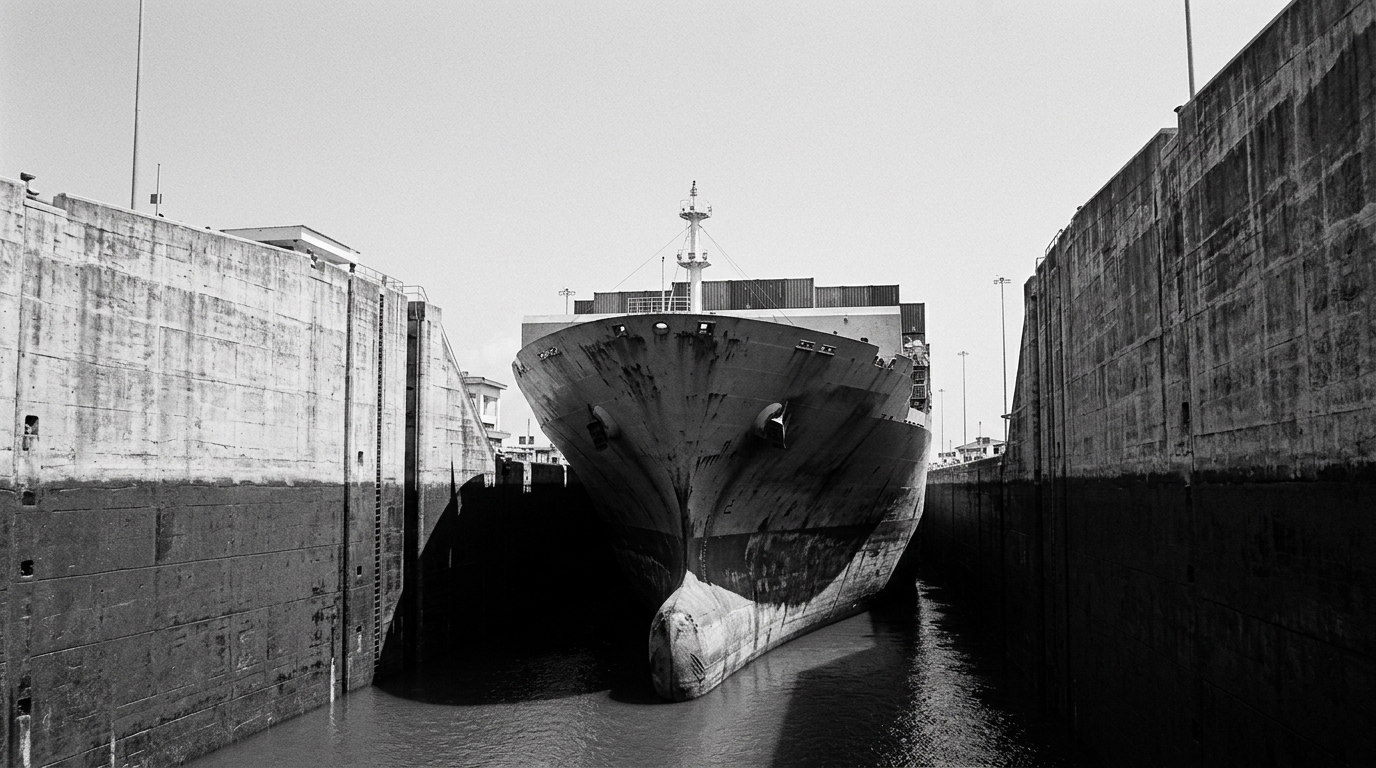
The Panama Canal Authority will introduce new daily transit restrictions beginning in September, a direct response to severely diminished water levels. This operational adjustment, influenced by the ongoing El Niño weather phenomenon, is set to progressively reduce the capacity of the critical waterway, which typically facilitates approximately 5% of global maritime trade.
From September 4, the number of vessels allowed to pass through the canal each day will be capped at 34. A further reduction is scheduled for September 15, decreasing the daily maximum to 32 ships. Historically, the canal has managed an average of 40 transits per day. However, since June, this figure has already fallen to roughly 35 daily transits, highlighting the current challenges in water availability.
Operational Adjustments and Water Management
This decision marks a significant change for the Canal Authority, which had not initially anticipated the need for such restrictions this year. The canal's complex lock system, essential for moving ships between different water elevations, heavily relies on a freshwater supply primarily drawn from Gatun Lake. Prolonged drought conditions have substantially depleted this reservoir, making water conservation efforts paramount.
The need for water conservation extends beyond commercial shipping operations. Gatun Lake also serves as a vital source for the municipal water supply of Panama City. Authorities are consequently focused on balancing these competing demands amidst decreasing water levels, prioritizing both operational continuity for global trade and essential local community needs.
Impacts on Global Supply Chains
The reduction in the canal's throughput capacity is expected to generate noticeable repercussions across international supply chains. Industries that depend on the Panama Canal for efficient and cost-effective shipping are likely to encounter disruptions and increased operational expenses. This situation echoes challenges experienced in 2023, when a significant drought led to an approximate 36% decrease in canal traffic.
With forecasts indicating a potentially strong El Niño event ahead, the Canal Authority is prioritizing the maintenance of reservoir levels. This proactive strategy aims to avert more severe operational failures and to ensure the long-term viability of both crucial global shipping routes and local water resources in the coming months. Stakeholders worldwide are closely monitoring these developments as the new transit limitations come into effect.
Historical Context of Canal Operations
Inaugurated in 1914, the Panama Canal has long been a cornerstone of international trade, connecting the Atlantic and Pacific Oceans and significantly cutting transit times for vessels. Its operation has always been intrinsically linked to the delicate balance of its freshwater reservoirs, with Gatun Lake being the largest man-made lake at the time of its creation. Historically, periods of drought have tested its operational resilience, leading to various management strategies, including draft restrictions and, more recently, transit reductions.
The El Niño phenomenon, a climate pattern characterized by unusual warming of surface waters in the eastern tropical Pacific Ocean, often results in reduced rainfall across Central America. The current restrictions underscore the canal's vulnerability to climate variability and the increasing need for adaptive strategies to maintain its critical role in global commerce.