Deadly 2026 Heatwaves Shatter European Infrastructure and Surge Mortality Rates
Severe 2026 heatwaves in Western Europe have caused widespread infrastructure failures, critical transport disruptions, and an estimated 10,000 excess deaths…
Atlas Newsdesk ·
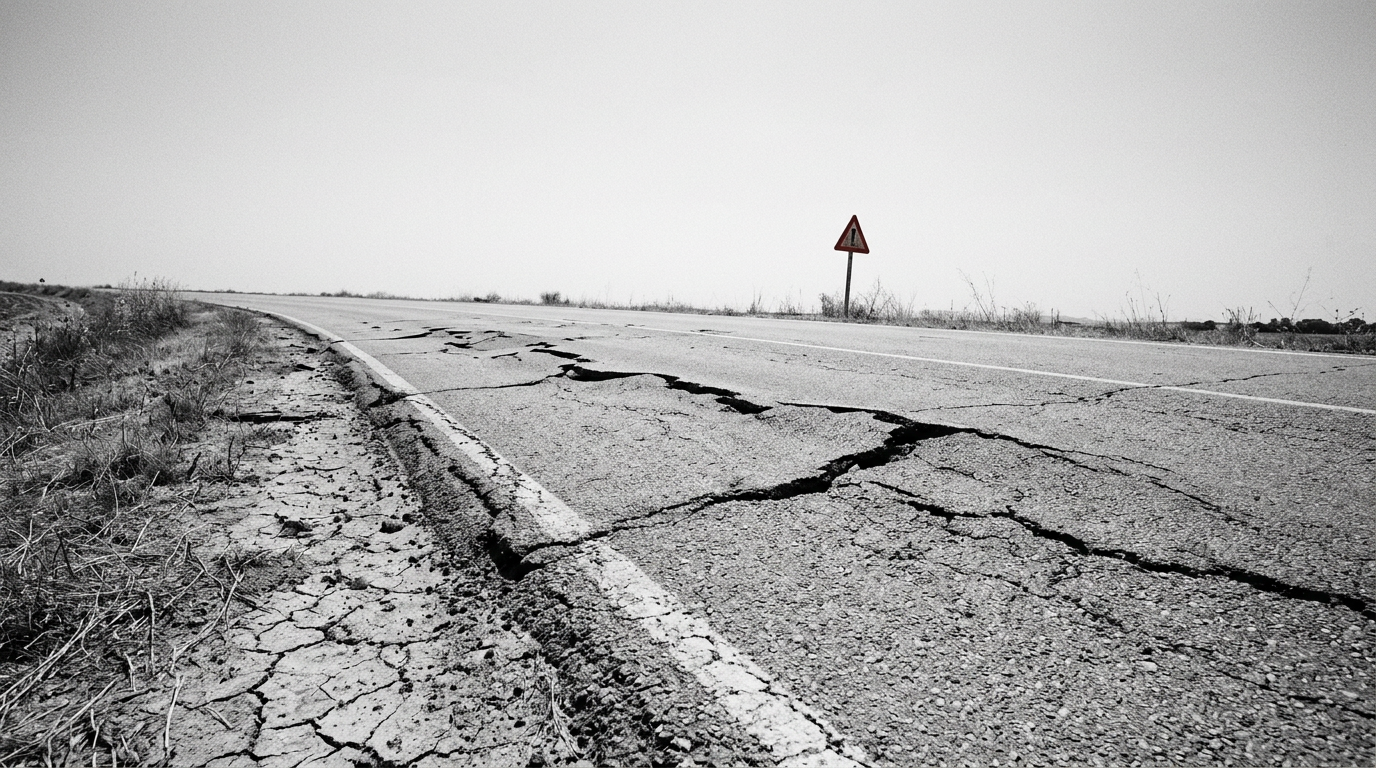
Western Europe is grappling with severe and persistent heatwaves in 2026, triggering extensive infrastructure failures and significant public health emergencies. Temperatures have consistently surpassed 40°C, causing considerable damage to vital transportation networks and overwhelming essential services. Operational disruptions are now prevalent across highways and railway systems, which have experienced widespread buckling as a result of the extreme heat.
The region's water and power supply chains are also facing intense pressure. This strain is compounded by ongoing drought conditions and a sharp increase in energy demand across the affected areas, leading to concerns about resource stability.
Infrastructure Strain and Economic Fallout
The agricultural sector and inland transportation routes are experiencing considerable instability, primarily because river water levels have receded to historically low points. This critical situation not only jeopardizes food security but also complicates the movement of goods, leading to broader economic ripple effects across the continent. Such disruptions can influence broader European economic stability by impacting trade and supply chains.
Public health systems are under acute stress, with initial assessments indicating approximately 10,000 excess deaths directly attributable to thermal stress. This mortality rate is notably high among vulnerable populations and aging demographics, highlighting existing societal vulnerabilities.
Vulnerability and Future Policy Needs
A significant factor contributing to the heightened mortality rates is the low penetration of air conditioning in European households, estimated at merely 23%. This limited access to cooling exacerbates the impact of extreme temperatures on residents, leaving many without adequate protection during heatwaves.
Institutional analysts have indicated that current urban design and building material standards are insufficient to effectively mitigate the consequences of such severe weather events. They emphasize the urgent need for future policy interventions that include accelerated investment in critical infrastructure.
Key policy requirements involve enhancing urban cooling infrastructure and significantly improving grid resilience, particularly in light of an aging population and increasing thermal exposure.
Broader Climate Context and Economic Implications
The 2026 heatwaves represent a stark escalation of extreme weather patterns observed globally in recent years. Scientists have consistently cautioned about the increasing frequency and intensity of such events due to ongoing climate change. The current situation in Europe underscores the immediate necessity for adaptive strategies that extend beyond traditional mitigation efforts.
The economic repercussions of these heatwaves extend beyond immediate infrastructure repairs and healthcare costs. Prolonged disruptions to agriculture, transport, and energy sectors could ignite inflationary pressures and diminish economic output in affected nations, potentially impacting the wider European economy. The International Monetary Fund (IMF) projects the USA's Real GDP Growth at 2.1% for 2026, with inflation (CPI) at 2.4% and an unemployment rate of 4.1% for the same period.