Fuel Crisis Hits Australian Independents, Miners
Australia fuel disruptions since late Feb have hit independents, miners and growers, prompting an ACCC probe and tougher penalty plans.
Atlas Newsdesk ·
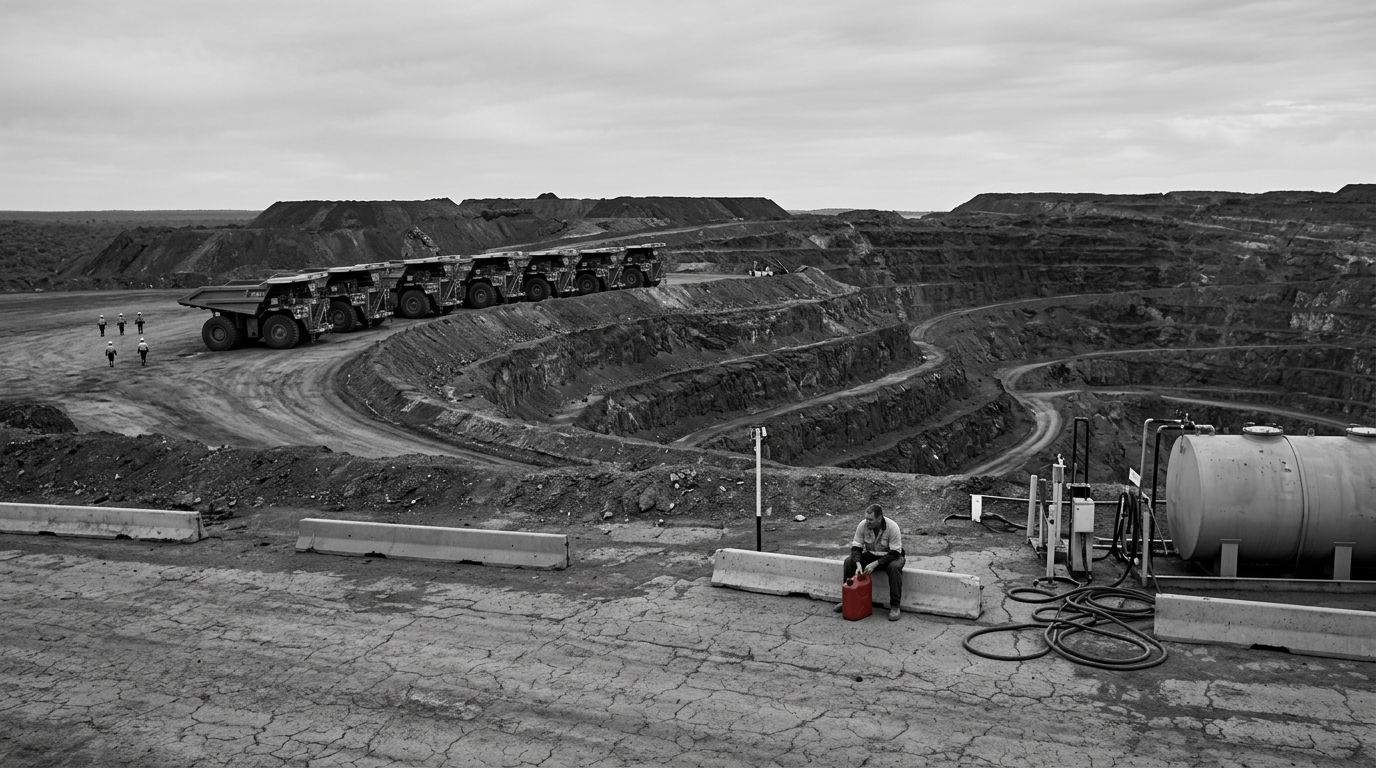
Fuel supply interruptions across Australia are squeezing small petrol retailers and parts of the resources and agriculture sectors, with some independent outlets reporting empty tanks and sharply higher costs.
The disruption emerged around February 28, in the period after the onset of the Iran war, and has been most acute for operators that rely on spot-market purchases rather than long-term branded supply arrangements.
What changed for supply and pricing
Independent station operators say deliveries of diesel and unleaded have become less reliable since late February, particularly outside major cities. Several smaller sites in rural and regional areas have reportedly run out of fuel.
Paul Andronicou, who runs four Fast Fuel stations in Melbourne, said supply of both unleaded and diesel has been inconsistent since late February. He said that when product is available, he has paid as much as 14 cents more per litre.
Regulatory response and allegations
The Australian Competition and Consumer Commission (ACCC) has opened an investigation into claims of anti-competitive conduct by major fuel suppliers linked to diesel availability for independent operators. Independent buyers allege they are being pushed down delivery schedules compared with branded service stations.
The ACCC has received more than 500 reports raising concerns about possible price manipulation. The specific outcomes of the investigation, including whether any breaches occurred, have not been determined.
Spillovers into mining and farming
The Association of Mining and Exploration Companies has warned of what it described as a major disconnect between wholesalers and independent distributors, saying the situation is affecting smaller mining businesses. Diesel is a critical input for many mining operations, particularly those operating away from major population centres.
Vegetable growers are also reporting operational strain, with some reducing planting and harvesting due to fuel shortages. Growers cited a more than 70% rise in weekly fuel costs, and fewer than 20% of surveyed growers said they had enough diesel to cover a week.
Policy moves and market relevance
Treasurer Jim Chalmers has introduced legislation aimed at strengthening the ACCC’s enforcement tools, including higher penalties of up to A$100 million for fuel refiners found to be price-gouging. The proposal signals a tougher stance as complaints mount from smaller market participants.
For markets, the immediate issue is less about retail margins and more about continuity of supply for sectors that depend on diesel to keep equipment running and goods moving. If shortages persist in regional areas, the risk is that higher input costs and delayed operations could flow through to commodity production and food supply chains, though the scale and duration of disruption remain unclear.
Key uncertainties include how widespread the delivery prioritisation is, whether it reflects commercial allocation decisions or conduct that breaches competition rules, and how quickly supply reliability can be restored for spot-market buyers.