Gulf Turmoil Sparks Global Energy Rationing
Energy rationing widened in March 2026 as Gulf-linked disruptions lifted oil and gas costs, straining import-dependent economies and budgets.
Atlas Newsdesk ·
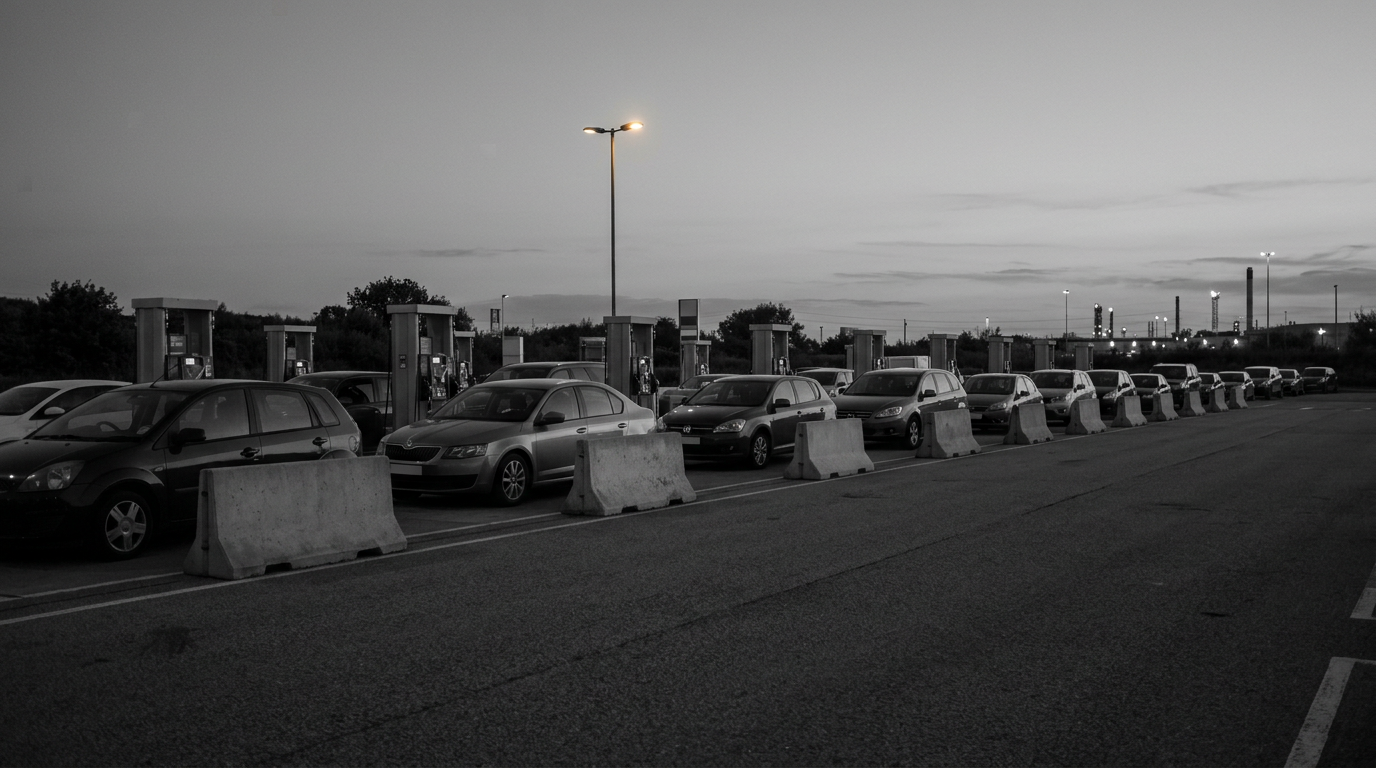
Electricity limits and cutbacks to public services widened across several developing economies in March 2026 as oil and gas became more expensive and government budgets came under added strain.
The measures were concentrated in import-dependent countries in Asia, Africa, and the Middle East, where higher fuel costs can quickly translate into tougher choices on spending and day-to-day operations.
What changed in March 2026
The source ties the jump in global energy costs to conflict involving the United States and Israel against Iran, describing disruptions affecting Gulf export routes and related infrastructure.
Two developments cited alongside the price surge were a reported closure of the Strait of Hormuz and reported attacks on oil installations in the Gulf.
Who is most exposed
Pakistan, Bangladesh, Sri Lanka, and Egypt were identified as facing acute pressure because they rely heavily on imported fuel and have limited room to absorb sudden price swings.
The source says Pakistan imports about 80% of its energy from the Gulf, while Bangladesh relies on imports for about 95% of its oil, leaving both highly sensitive to disruptions linked to Gulf supply corridors.
How governments are cutting demand
Authorities in the countries cited moved toward administrative controls designed to conserve fuel and stretch available supplies as import bills rose and inventories were drawn down more quickly.
In Pakistan, the source describes school closures, a shift of government offices to a four-day work week, and reductions in fuel allowances.
In Sri Lanka, the source says Wednesdays were designated public holidays and fuel passes were introduced to ration consumption and manage distribution under tighter availability.
Price adjustments and the currency channel
Egypt, according to the source, ordered earlier closing times for businesses and reduced public lighting as part of its conservation steps.
It also increased regulated fuel prices on March 10, raising petrol, diesel, and cooking gas by 15% to 22% .
The source adds that currency weakness against the US dollar can amplify the shock because energy imports are commonly priced in dollars, increasing local-currency costs when exchange rates fall.
Why it matters for markets and politics
The episode illustrates how geopolitical disruption can move rapidly from shipping lanes and energy infrastructure into household costs and near-term industrial activity in economies that buy most fuel from abroad.
For policymakers, higher energy invoices can widen external deficits and complicate budget management, with potential spillovers into sovereign financing conditions and trade balances.
For global markets, the developments underline the strategic role of Gulf export corridors and the Strait of Hormuz in energy security, and how perceived disruption there can lift risk sensitivity well beyond the region.
Key unknowns and limitations
Important details were not provided in the source, including the exact level of global oil and gas prices, how long any Hormuz disruption may persist, and the extent of damage to Gulf facilities.
Even with those gaps, the March 2026 rationing steps and Egypt’s regulated price increases show governments prioritizing supply preservation and fiscal control as the shock hits import-dependent economies.