US Supreme Court Ruling Creates Tariff Refund Uncertainty
The US Supreme Court ruling on Trump-era tariffs could free up $175 billion in refunds, but small businesses face hurdles in claiming funds.
Atlas Newsdesk ·
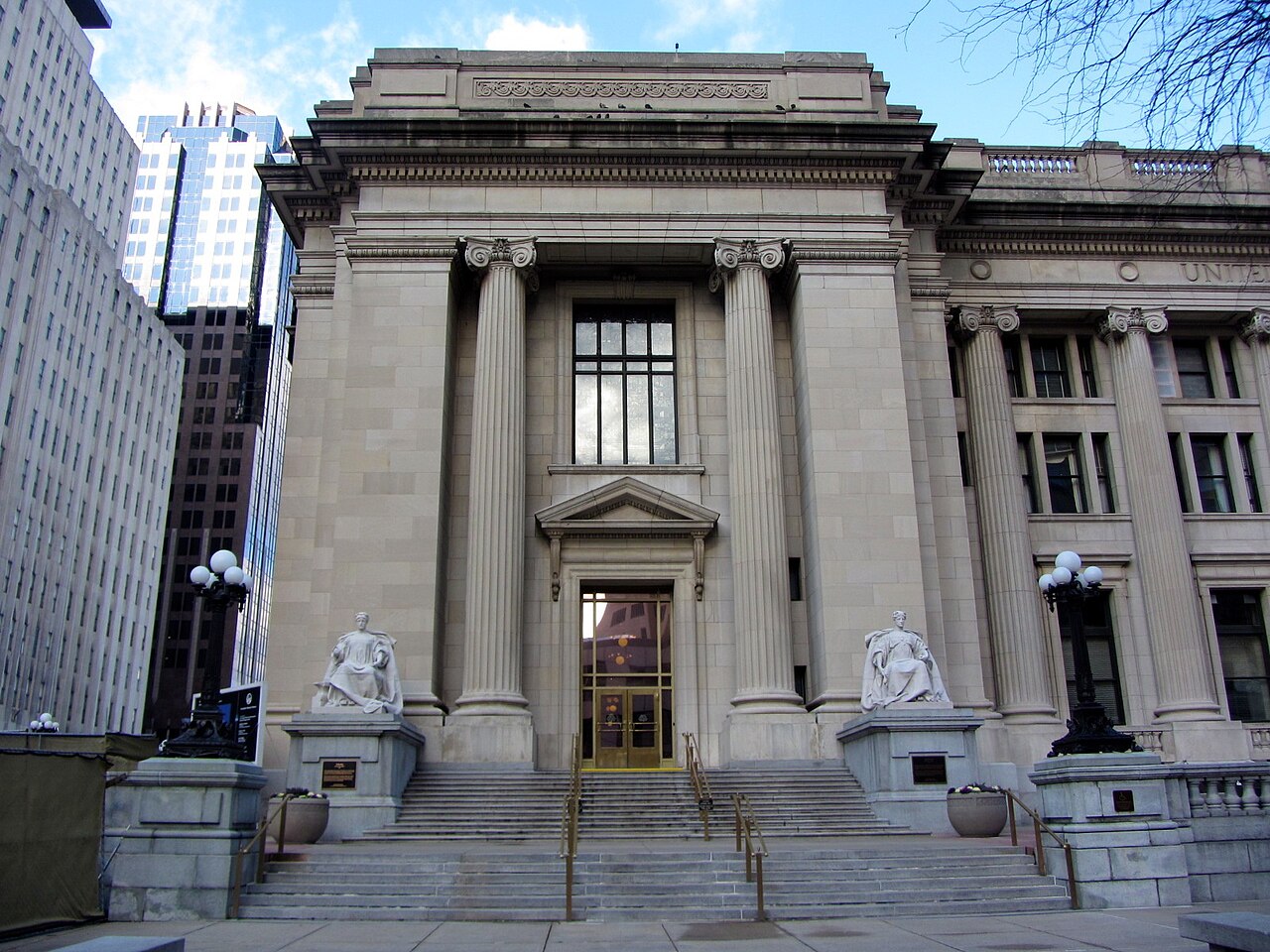
The U.S. Supreme Court recently issued a decision that could invalidate tariffs previously levied by the Trump administration, potentially making up to $175 billion available for refunds to businesses that paid these import duties. This ruling, however, presents significant challenges for small businesses seeking to reclaim these funds, with many expressing skepticism about the practicality of the refund process.
Numerous small enterprises across the United States experienced substantial cost increases due to the tariffs. For instance, a Los Angeles-based lighting company reported price hikes of at least 12% on its goods. Another company, Granite Gear, saw its duty fees escalate from 18% to 46% before eventually stabilizing at 20% following negotiations.
These additional expenses often translated into reduced internal investments and higher prices for consumers, with some businesses passing on increases of 10-20%.
Legal and Financial Hurdles for Businesses
Despite a U.S. trade court judge's directive for the government to commence refund payments, many small business owners remain reluctant to initiate claims. The perceived complexity of the legal process, coupled with potential legal fees, acts as a significant deterrent. Business owners, including a bakery proprietor and an executive from Granite Gear, have voiced concerns that the costs associated with pursuing these refunds might ultimately exceed any potential benefits.
Background of Tariff Implementation
The tariffs in question were implemented under Section 301 of the Trade Act of 1974, primarily targeting goods from China. The Trump administration argued these tariffs were necessary to address unfair trade practices and intellectual property theft. While intended to protect domestic industries, they also led to increased input costs for many American businesses, particularly those relying on imported components or finished goods.
Economic Impact and Market Implications
The initial imposition of these tariffs had a broad economic impact, contributing to supply chain disruptions and inflationary pressures on consumer goods. The potential for $175 billion in refunds, while substantial, faces administrative and legal hurdles that could delay or limit its full realization. The uncertainty surrounding these refunds could affect business investment decisions and cash flow planning for companies that bore the brunt of the tariffs.
Outlook for Small Businesses
For many small businesses, the administrative burden and legal expenses associated with pursuing tariff refunds are prohibitive. This situation highlights a broader challenge for smaller entities in navigating complex trade regulations and legal processes, even when favorable rulings are issued. The outcome of these refund claims will likely depend on the development of clearer, more streamlined procedures and potential government assistance in navigating the legal framework.
Implications
Country Impact: The ruling could inject significant capital back into the U.S. economy, potentially boosting liquidity for businesses. However, the administrative complexities may limit the immediate economic impact, particularly for smaller firms.
Industry Impact: Industries heavily reliant on imports from China, such as manufacturing and retail, could see improved financial health if refunds are successfully claimed. This could alleviate some cost pressures and potentially lead to lower consumer prices.
Market Impact: The uncertainty surrounding the refund process might temper market reactions. While a large refund pool is positive, the practical difficulties in accessing it could prevent a broad market uplift, especially for small-cap stocks.