UK Fuel Prices Climb Amid Mideast Tensions
UK fuel prices are rising due to increased global oil costs, driven by escalating Middle East tensions, impacting inflation and monetary policy.
Atlas Newsdesk ·
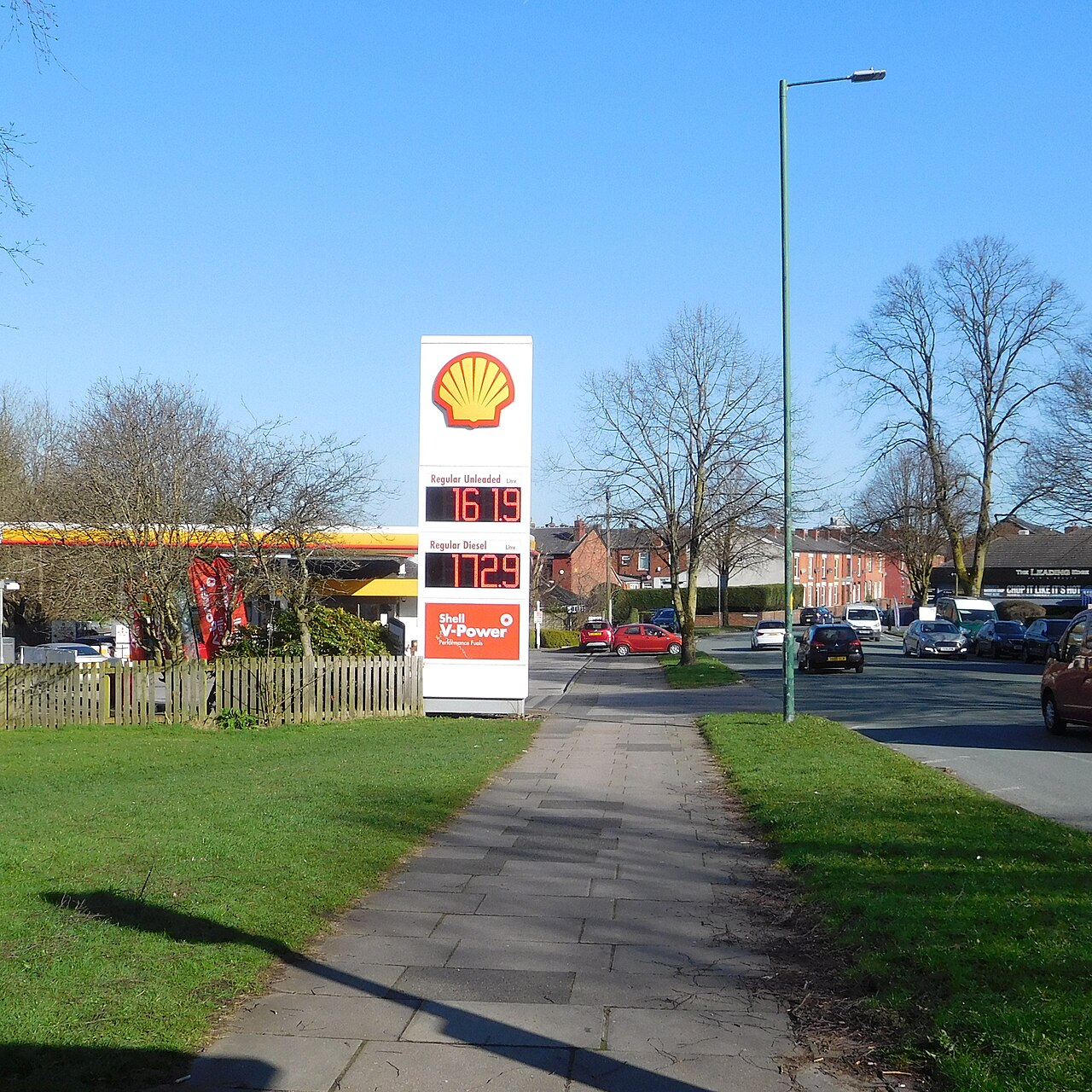
Motorists across the United Kingdom are facing higher fuel costs, a direct consequence of escalating global oil prices. This surge is primarily linked to heightened geopolitical tensions in the Middle East, particularly the ongoing conflict involving the US, Israel, and Iran, which intensified from late February. The global benchmark, Brent crude, has experienced a significant increase, impacting pump prices within a two-week timeframe.
Average petrol prices in the UK have seen an increase of 4.68 pence, reaching 137.51 pence per litre. Diesel prices have also climbed, rising by 8.59 pence to 150.97 pence per litre since the conflict began. These price adjustments reflect the volatility in international energy markets.
Global Oil Market Dynamics
The price of Brent crude, a key indicator for global oil markets, rose substantially from $73 to $106 per barrel between February 28 and March 9. This 45% increase underscores the market's sensitivity to supply disruptions and geopolitical instability in major oil-producing regions. The Middle East, a critical hub for global energy production and transportation, plays a significant role in these price movements.
Economic Implications for the UK
The United Kingdom, as a net importer of oil, is particularly susceptible to fluctuations in international crude prices. While the UK sources much of its oil from stable regions like the United States and Norway, global market prices dictate domestic costs. Analysts project that if crude oil prices stabilize around $100 per barrel, petrol could reach 150 pence per litre, with diesel potentially nearing 180 pence per litre.
Broader Inflationary Pressures
Sustained high oil prices carry significant inflationary risks beyond the pump. Increased transportation costs directly affect the supply chain, potentially leading to higher prices for consumer goods, including food. Furthermore, the energy-intensive production of agricultural inputs like fertilizers could also see cost increases, contributing to broader food inflation.
Monetary Policy Considerations
The Bank of England's monetary policy decisions could be influenced by persistent inflationary pressures stemming from elevated energy costs. Higher inflation might delay anticipated interest rate cuts, which could, in turn, lead to higher mortgage rates for consumers. While domestic energy bills are currently protected by existing price caps, prolonged geopolitical instability could impact future cap adjustments.
Outlook for UK Consumers
The current situation highlights the interconnectedness of global politics and domestic economic conditions. UK consumers and businesses face the prospect of continued price volatility as long as geopolitical tensions in the Middle East remain elevated. The long-term economic outlook will depend on the resolution of these conflicts and the stability of global energy supplies.
Implications
Country Impact: The UK faces increased inflationary pressures, potentially delaying interest rate cuts by the Bank of England and leading to higher mortgage rates. Consumer purchasing power may diminish due to rising fuel and food costs.
Industry Impact: Transportation and logistics sectors will experience higher operating costs, which are likely to be passed on to consumers. Industries reliant on energy-intensive production, such as agriculture (fertilizer), will also see increased expenses.
Market Impact: Global oil markets are exhibiting significant volatility, with Brent crude prices rising sharply. This instability could lead to broader market uncertainty, impacting investor confidence and potentially influencing currency valuations.