Hormuz closure could send oil to $200
Oil prices could hit $200 per barrel if the Strait of Hormuz stays significantly restricted for another six weeks, an expert projection says.
Atlas Newsdesk ·
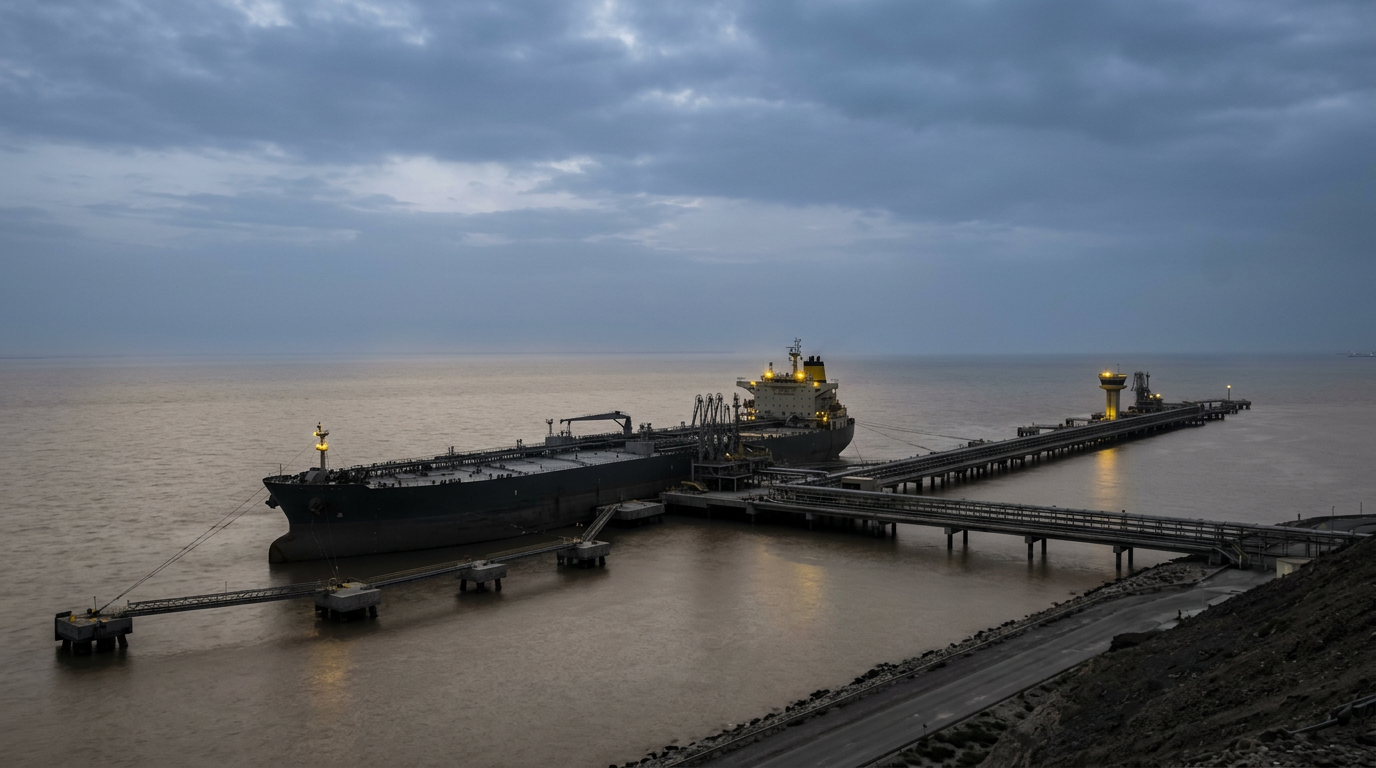
Oil prices could climb to $200 per barrel if the Strait of Hormuz remains heavily constrained for another six weeks, according to an expert projection cited in the source material. The estimate underscores how quickly energy markets can reprice when a key maritime route faces prolonged disruption.
The Strait of Hormuz is described as a central artery in the global oil trade, functioning as a chokepoint for about one-fifth of the world’s oil supply. Officials and market participants closely track the strait because restrictions there can limit the physical movement of crude, tightening availability beyond the region and amplifying price volatility across benchmarks.
In the scenario outlined, an extended constraint would sharply reduce accessible crude volumes, pushing prices higher as buyers compete for fewer cargoes. The source notes that such a squeeze could transmit rapidly through global energy supply chains, with knock-on effects for fuel-dependent sectors and for economies where energy costs feed directly into broader price levels.
Current reference levels in the source place WTI Crude at approximately $103.7 and Brent Crude at approximately $114.6 . A move to $200 per barrel would represent a steep jump from those levels, with the source warning that the resulting shock could intensify inflationary pressures and raise costs across transportation, manufacturing, and consumer-facing goods.
Governments could respond with measures aimed at calming markets. The source specifically points to the possibility of strategic petroleum reserve releases or other interventions intended to stabilize pricing and supply expectations if the disruption persists and the price surge begins to affect economic conditions.
What remains uncertain is the duration and severity of any restriction, which the projection ties to an additional six-week period of significant constraint. The scale of any price move would also depend on how much crude flow is effectively curtailed and how quickly alternative logistics and policy responses can offset the shortfall, factors that are not quantified in the source material.