UK Steel Production Boosted by New Import Tariffs
The UK government announced new measures on March 14 to boost domestic steel production to 50% of consumption, reducing import quotas by 60%.
Atlas Newsdesk ·
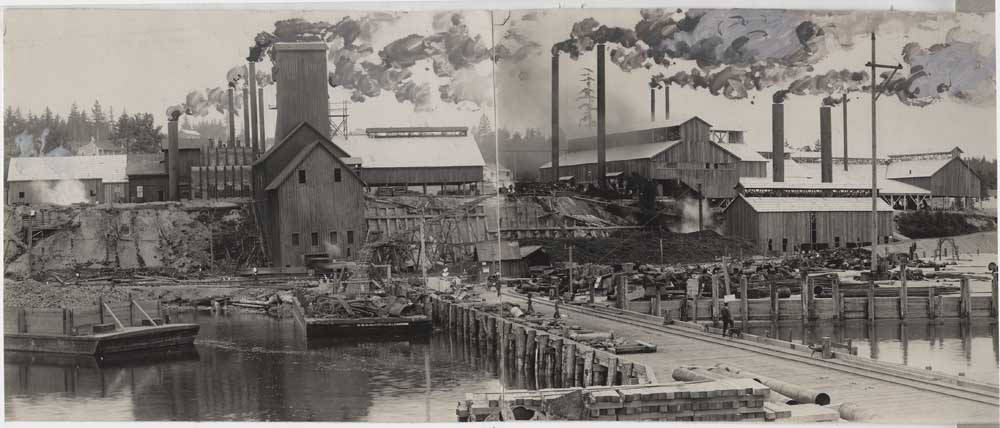
The United Kingdom government has implemented new policies designed to significantly increase domestic steel production and decrease reliance on foreign imports. Announced on March 14, these measures aim for the UK to produce 50% of its steel consumption, a substantial rise from the current 30% level. The core of this strategy involves a 60% reduction in quotas for imported steel, effective from July. Any steel imports exceeding these revised quotas will be subject to a 50% tariff.
Government Aims for Domestic Growth
This policy shift reflects a strategic effort by the UK to bolster its industrial base and enhance national self-sufficiency in a critical manufacturing sector. The government has not yet provided a specific timeline for achieving the 50% domestic production target. However, it is considering a transitional period for the new tariff regime, potentially exempting goods imported between July and September if their contracts were finalized before March 14.
Policy Rationale and Industry Reception
Business Secretary Peter Kyle articulated that these measures are intended to safeguard the UK steel industry against unfair trade practices, rather than being protectionist. This statement addresses concerns that the tariffs could lead to increased costs for both manufacturers and end-consumers within the UK. The domestic steel industry, which has contended with challenges such as elevated energy prices and global oversupply, has expressed support for the government's initiative.
Economic and Political Reactions
Conversely, the opposition Conservative party has voiced criticism regarding the new tariffs. They argue that such protectionist policies could impede broader economic growth and competitiveness. The debate highlights a tension between supporting domestic industries and maintaining open trade policies that could benefit other sectors through lower input costs.
The long-term economic impact of these tariffs will depend on how quickly domestic production can scale up and whether the cost increases for manufacturers are absorbed or passed on.
Historical Context of UK Steel
The UK steel industry has a long and complex history, once being a global powerhouse. Decades of deindustrialization, global competition, and shifts in economic policy have led to its current reduced capacity. Previous governments have often grappled with how to support the sector without violating international trade agreements or imposing undue burdens on other industries.
This latest policy represents a renewed, more assertive stance on industrial policy, aiming to reverse the trend of declining domestic production and secure a more resilient supply chain for essential materials.
Future Outlook and Market Implications
The success of this policy will hinge on several factors, including the ability of UK steel producers to increase output efficiently, the response of international trading partners, and the willingness of domestic manufacturers to absorb potentially higher steel costs. The tariffs could lead to short-term price volatility in the UK steel market and may influence investment decisions in both domestic production and alternative material sourcing.
The government's commitment to a transitional approach suggests an awareness of potential immediate disruptions, aiming to mitigate adverse effects during the initial implementation phase.
Implications
Country Impact: The UK's industrial policy is shifting towards greater domestic production and reduced import reliance, potentially strengthening national manufacturing but risking higher input costs for other sectors. This move could impact inflation and overall economic growth dynamics.
Industry Impact: The UK steel industry stands to benefit from increased demand and protection against foreign competition, potentially leading to investment and job creation. However, steel-consuming industries may face higher material costs, affecting their competitiveness.
Market Impact: The new tariffs could introduce volatility in UK steel prices and influence trade flows. Investors will monitor the balance between domestic production growth and potential inflationary pressures on manufacturing supply chains.