Can Global Supply Chains Survive an Insurance-Led Shutdown of the Taiwan Strait?
Taiwan Strait insurance risk could halt shipping without war, threatening advanced chip supply and disrupting electronics and auto production.
Lauren Collins ·
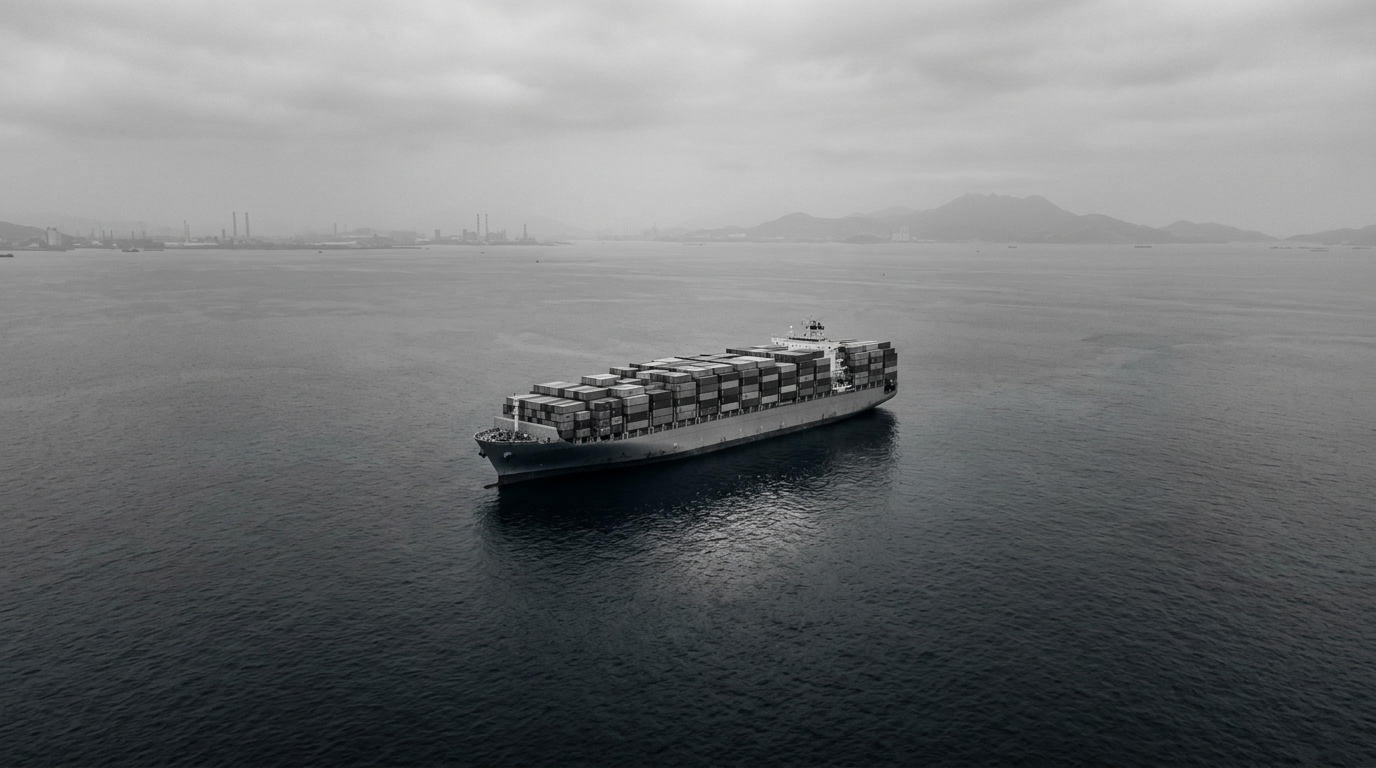
What happened: Officials and market participants are weighing a scenario in which China triggers a de facto shutdown of the Taiwan Strait without firing on commercial shipping, using measures such as exclusion zones or harassment operations. The core concern is not a declared war but a shift in operating conditions that makes routine transit commercially unworkable.
In this framing, the immediate pressure point is the risk calculus of insurers and the resulting decisions by shipowners and operators.
The scenario centers on non-kinetic actions that could raise perceived danger for vessels operating in or near the strait. If commercial insurers were to pull coverage for transits in the area, maritime operators could be left unable or unwilling to sail through the route. That insurance-led withdrawal could halt traffic in practice, even if ships are not physically blocked or attacked.
Such a disruption is described as potentially more economically consequential than recent shocks linked to the Strait of Hormuz, largely because of Taiwan’s position in advanced semiconductor production. Taiwan is cited as producing over 90% of the world’s output of advanced semiconductors, making it a central node in high-end chip supply chains.
The risk is that a shipping and commerce squeeze around Taiwan would not only slow deliveries but also threaten continuity of chip production and downstream manufacturing.
What it means: The economic fallout in this scenario would extend beyond higher freight costs or longer routes. Industries that depend on cutting-edge chips, including electronics and automotive manufacturing, could face abrupt shortages and production stoppages if advanced semiconductor supply is interrupted.
The source material notes there are no immediate substitutes or strategic reserves that could quickly replace a sudden loss of advanced chip supply, increasing the likelihood of cascading delays across global manufacturing schedules and international supply contracts.
Policymakers are being urged to treat this as a form of economic coercion risk, where control over Taiwan’s commerce could be used to pursue strategic objectives. Governments and corporations could be forced into difficult trade-offs, weighing acceptance of de facto control against the possibility that resistance could raise the odds of broader economic disruption and military escalation.
The key uncertainty is how insurers, shipping firms, and governments would respond in real time to non-kinetic pressure that stops short of open conflict.