FIA Rejects Ban on F1 Energy Management Algorithms
FIA rejects a ban on F1 energy management algorithms, citing impractical manual control and efficiency risks despite driver predictability concerns.
Mehmet Şahinoğlu ·
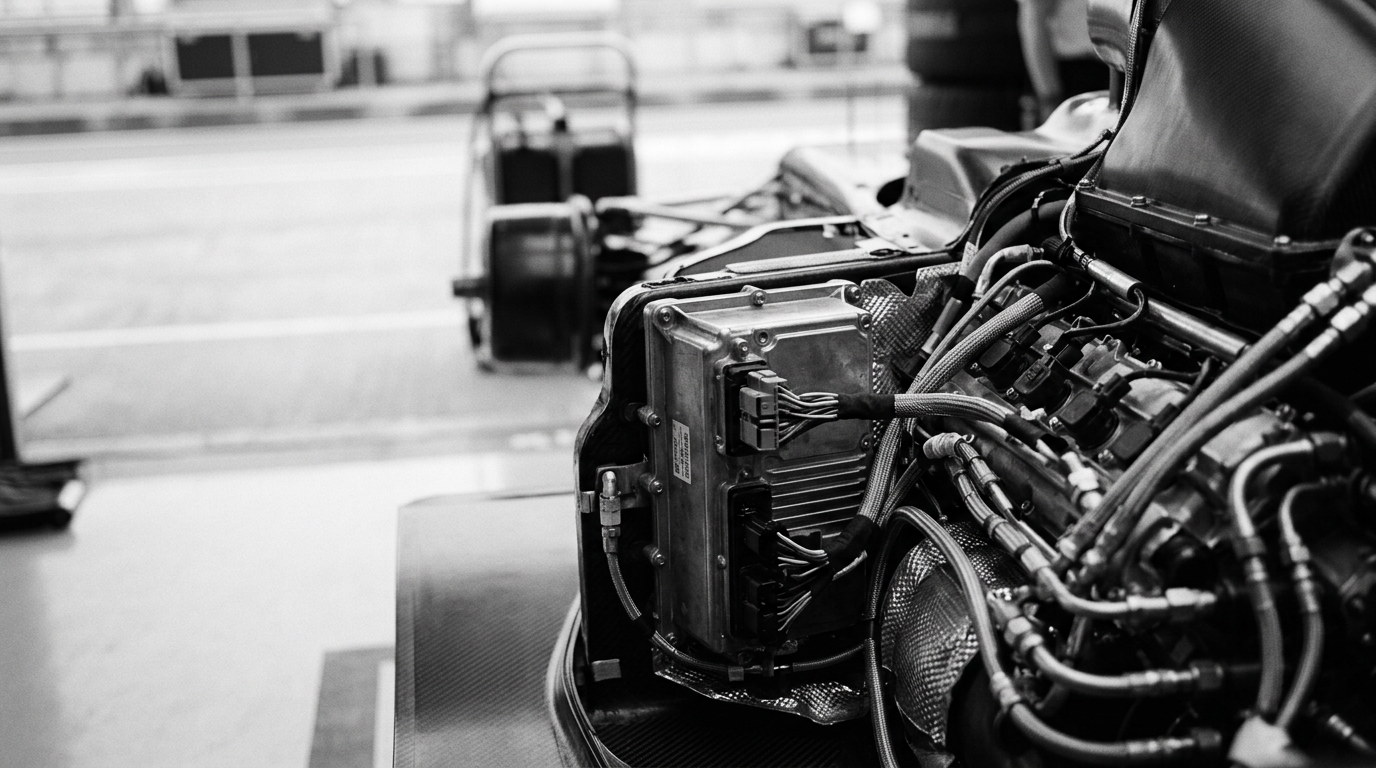
Formula 1’s governing body, the FIA, has turned down proposals to prohibit algorithmic energy management systems used in power units, despite concerns raised by drivers about predictability and control.
Officials said removing automated energy deployment would likely cause energy to be consumed inefficiently and could amplify performance swings during races. In the FIA’s view, the systems are embedded in a regulatory environment that has become too technically demanding for drivers to manage directly.
FIA says manual control is not practical under current rules The FIA argued that today’s power unit regulations require management of many interacting factors to keep the battery in an optimal state of charge. Officials said a driver cannot realistically intervene to juggle those variables in real time while racing.
According to the FIA, relying on human decision-making for energy deployment would also create a separate pressure point: teams would have strong incentives to pursue rapid battery development to compensate, potentially sparking what it described as an unsustainable technology race.
The governing body framed its position as a trade-off between technical feasibility and sporting feel. While officials accepted that the systems are more complicated than originally expected, they maintained that a blanket ban would introduce new problems rather than solve existing ones.
Drivers cite unpredictability as self-learning software adapts
Drivers have complained that the self-learning software can behave unpredictably because it adjusts to environmental inputs such as wind and grip levels. That adaptability can change how energy is deployed from lap to lap, even when teams believe they are running comparable settings.
The latest pushback came after drivers, including Oscar Piastri, highlighted difficulties linked to power unit algorithms at Spa-Francorchamps. Piastri said qualifying outcomes were being decided by computers, a dynamic that he described as frustrating for competitors.
Stella points to external conditions driving unexpected swings
McLaren team principal Andrea Stella said that even when power unit settings appear similar, self-learning elements can still react to external factors such as wind. He linked that to performance variations that can surprise teams and drivers.
The FIA acknowledged the criticism and said future regulatory adjustments would aim to provide drivers with greater control. Officials also said a planned rebalancing of power distribution is expected to reduce reliance on automated deployment strategies, though it is not intended to remove automation entirely.
For now, the governing body’s stance leaves current algorithmic energy management in place while it considers how to balance technical complexity, competitive fairness, and driver confidence in how performance is delivered on track.