McLaren keeps 2026 F1 car updates to shape 2027 plans
McLaren will keep developing its 2026 F1 car this season, using track-tested aero upgrades and data to reduce uncertainty for its 2027 design.
Mehmet Şahinoğlu ·
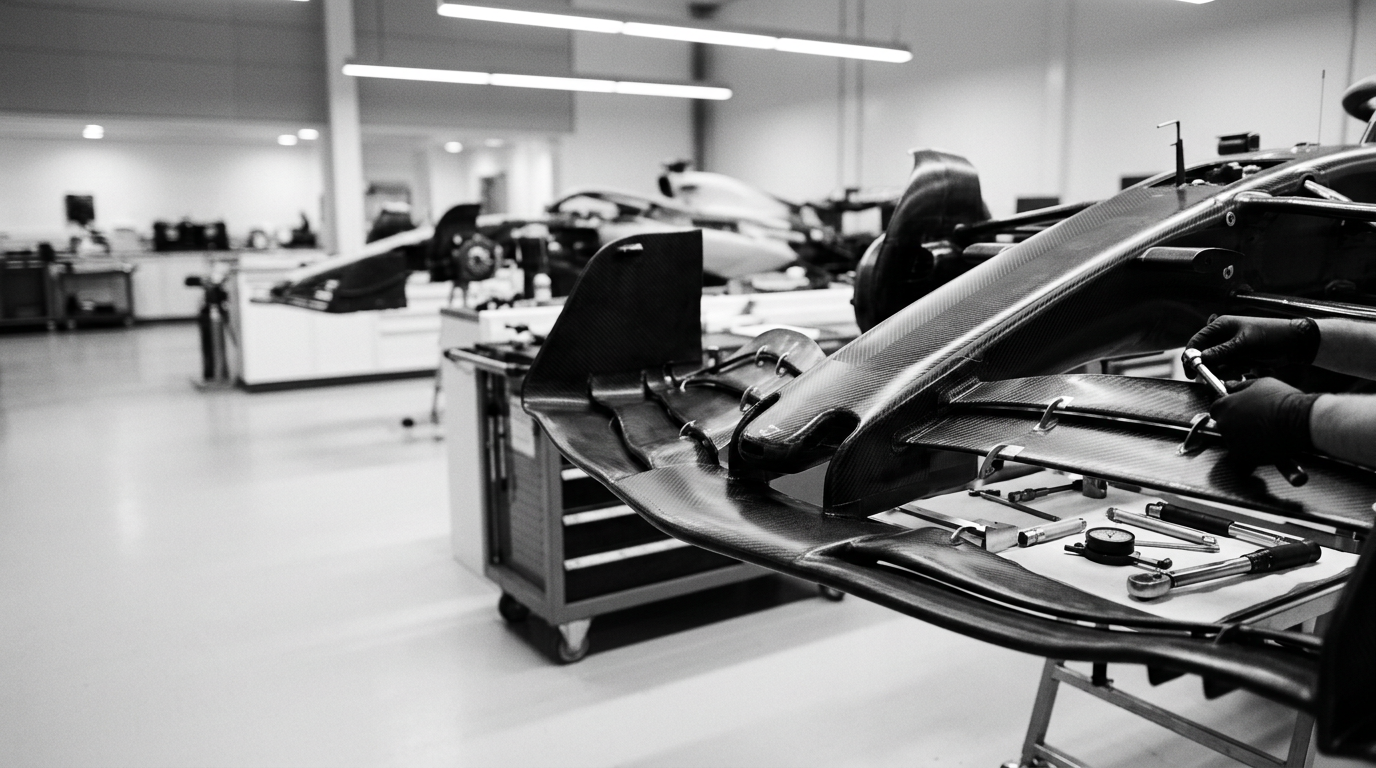
McLaren said it will keep actively developing its 2026 Formula 1 car through the rest of the current season, even as it sits 159 points behind the championship leader. Team officials described a dual focus: introduce in-season parts that add aerodynamic performance now, while using the same work to improve what the team knows for its next major design cycle.
Technical leaders argued that the primary value of continuing upgrades is not only lap time. They said running new components and ideas in real sessions produces evidence that simulation and theory cannot fully reproduce, and that this evidence helps engineers confirm which aerodynamic directions work on track.
Track testing to narrow the gap and build knowledge Engineers involved in the programme said the remaining 2026 race calendar will be used to validate fresh concepts and to gauge how rival teams are progressing. McLaren’s view is that how the car behaves under race-weekend conditions offers the clearest feedback on whether a change is effective.
Officials said this approach is designed to chip away at the current performance deficit while building a stronger technical base for future decisions. In particular, they highlighted aerodynamics as an area where learning from the current car is expected to carry over.
The team also characterised the plan as a change in how it uses resources compared with earlier campaigns. Officials said an early-season emphasis on defending a championship position previously constrained development momentum, and the current approach is meant to avoid repeating that pattern.
Regulation flexibility encourages late-season experimentation
McLaren engineers said the existing technical regulations appear to leave more room for design solutions than they initially expected. That perceived flexibility was presented as a reason to keep experimenting deeper into the season, rather than stopping early to pursue a future concept with less track validation.
Officials linked this to risk management. They said ongoing development provides a pipeline of data that can reduce uncertainty when deciding which directions are worth committing to for the next project, rather than relying on assumptions that have not been proven at the circuit.
2027 layout changes, with aero lessons expected to carry over McLaren said its 2027 car is expected to include major structural and layout revisions, including a longer wheelbase and updated suspension geometry. Even with those changes, the team expects today’s aerodynamic refinement work to remain useful in shaping its next challenger.
Officials framed the broader objective as long-term competitiveness: pursue immediate gains that are validated on track, and use the resulting information to guide engineering choices for a 2027 car built under significantly altered technical rules. How quickly those lessons translate into results, the team indicated, will depend on what the data shows as concepts are tested through the rest of the season.