Fijian rugby player dies after collapse in Japan heat
Fijian rugby player Saimoni Vunilagi, 26, died in Fukuoka after collapsing at practice as Japan faced 35°C heat and rising heat illness.
Mehmet Şahinoğlu ·
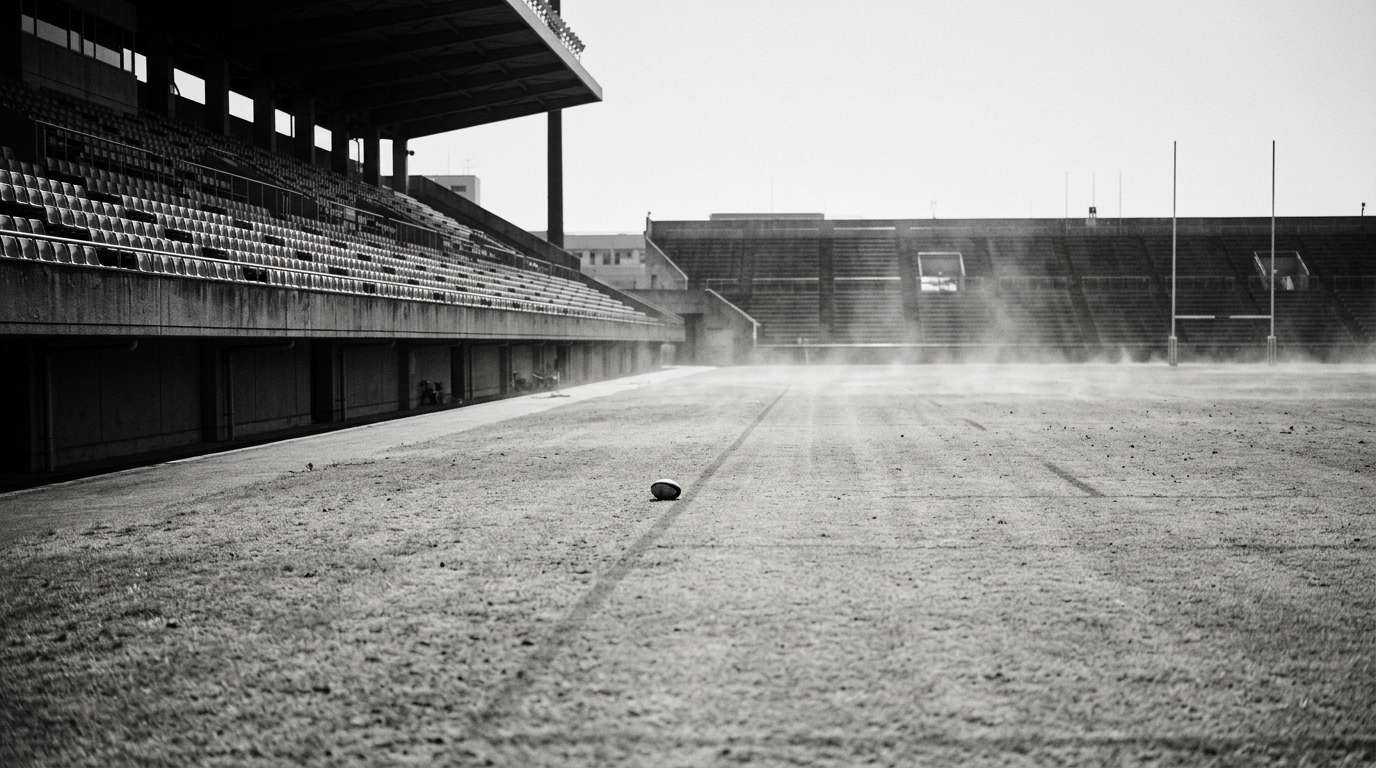
Saimoni Vunilagi, a 26-year-old Fijian rugby player, has died in Fukuoka, Japan, after collapsing during a team practice session. The Kyushu KV club, which plays in Japan’s second division, confirmed his death on Friday.
The club said Vunilagi had recently joined to begin his professional career. He was a forward for Kyushu KV.
Practice collapse followed suspected heatstroke symptoms
Officials said Vunilagi was taken to hospital on Officials said Vunilagi was taken to hospital on Monday after showing symptoms consistent with suspected heatstroke. The incident occurred as temperatures reached 35 degrees Celsius (95 degrees Fahrenheit). The death comes during a period of intense heat across Japan, as officials continue to report significant pressure on emergency and health services. The circumstances have renewed attention on how teams manage training and player safety during extreme temperatures. Japan heatwave drives hospitalizations and policy response Authorities reported nearly 18,600 heat-related hospitalizations nationwide between July 20 and July 26. National records also show Japan has registered temperatures as high as 41.8 degrees Celsius (107 degrees Fahrenheit) in recent years.
Against that backdrop
Official data from last year’s comparable period cited 45 deaths attributed to heatstroke during the same July window. Against that backdrop, the Japanese government has set a target to halve the country’s annual average of 1,300 heat-related deaths by 2030.
As part of efforts to reduce exposure during extreme conditions, event organizers have rescheduled various cultural and sporting activities, officials said. The move reflects the operational challenges that prolonged heat can create for events that depend on fixed venues, tight calendars, and public attendance.
Player welfare pressures for leagues and clubs
Vunilagi’s death highlights the risks professional sports organizations face when training and competition coincide with severe weather. Sports bodies have been pushed to consider how to protect athletes as intense heat becomes more frequent, particularly during peak summer periods.
Measures referenced by officials and organizers in response to heat risks include adjusting schedules to cooler hours, tightening monitoring protocols, and improving access to cooling and recovery options. However, the precise steps taken by Kyushu KV around the session were not detailed in the information provided.
The incident in Fukuoka leaves open questions about how consistently heat-mitigation practices are applied across leagues and locations, and how quickly emergency responses can be activated during training. For teams integrating new players and setting pre-season routines, the episode underscores the need to align performance demands with conditions on the ground.
Implications
Country Impact: The reported heat-related hospitalizations and deaths underline the public health burden Japan faces during periods of extreme temperatures. The government’s to halve the annual average of 1,300 heat-related deaths by 2030 is driving adjustments to public scheduling, including event rescheduling.
Industry Impact: Professional sports teams and leagues face heightened operational risks when training and matches take place during heatwaves. The incident increases scrutiny on athlete protection measures such as schedule changes, monitoring, and cooling provisions, while details on specific club practices remain unclear.
Market Impact: Rescheduling cultural and sporting events can disrupt fixed calendars and logistics for venues, teams, and local organizers. The scale of heat-related medical incidents also points to broader capacity pressures that can affect event operations during peak summer weeks.