Ship grounds in Hormuz as Iran presses lane control
A vessel ran aground in the Strait of Hormuz while Tehran pushed for greater control over maritime traffic and related fees.
Mateo Fernandez ·
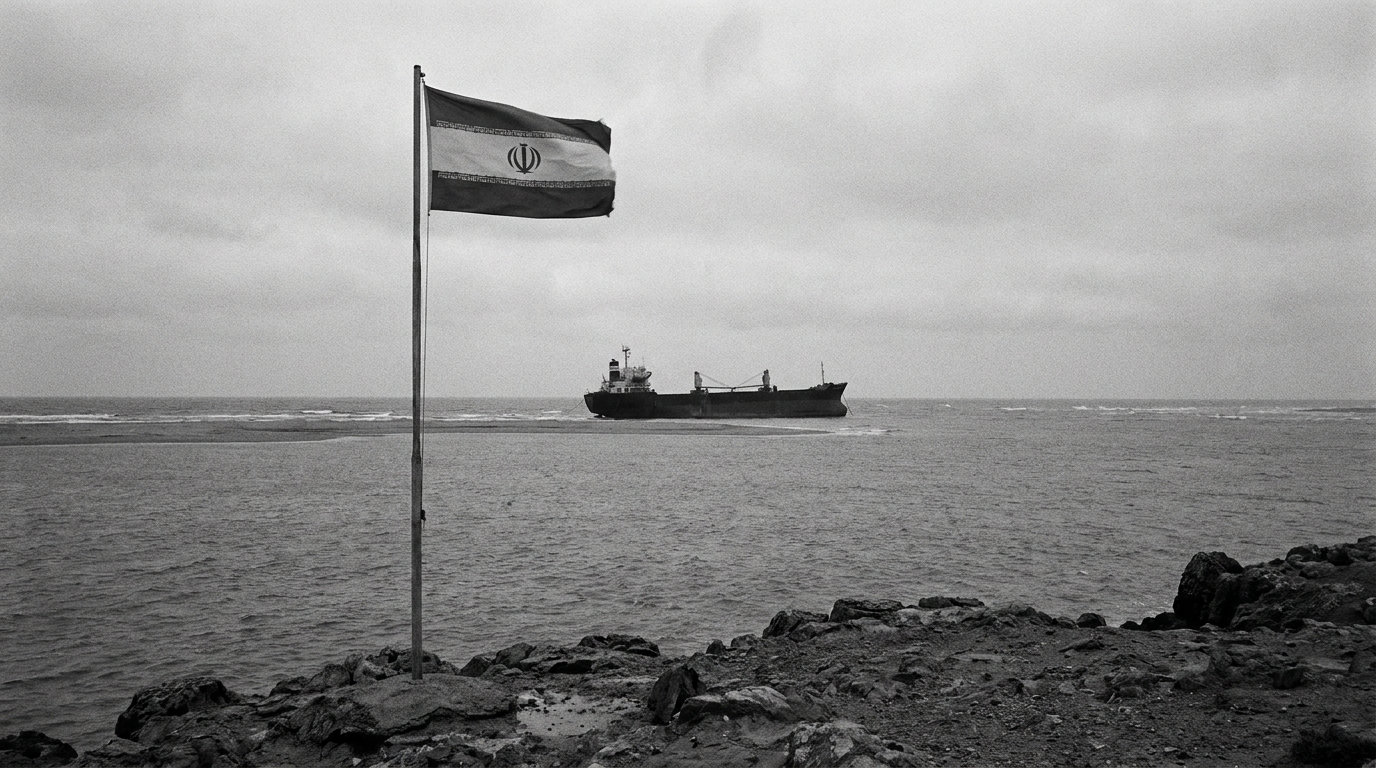
A ship ran aground in the Strait of Hormuz on July 1, 2026, adding a fresh operational risk to a waterway already under political pressure. Reaction pending.
Officials said Tehran is pressing for greater control over maritime traffic and related fees while negotiators try to convert an interim truce into a longer-term agreement. Details on the vessel, its cargo, ownership, damage and any disruption to traffic were not provided.
Hormuz fees raise shipping risk
The grounding matters because the Strait of Hormuz is a narrow maritime chokepoint where security claims can quickly become commercial costs. If Iran's push over traffic management and fees advances, ship operators could face added compliance checks, higher transit costs or longer routing decisions.
For commodity markets, the immediate issue is not the grounding alone but whether the incident becomes part of a wider contest over authority in the lane. If traffic continues without interruption, the macro effect may stay limited to a risk premium in energy and freight pricing. If inspections, fee demands or security incidents increase, traders could price a higher probability of delay.
The company-level exposure depends on the vessel involved, which has not been identified. Insurers, charterers and ship managers will be watching for confirmation of whether the grounding was accidental, weather-related or linked to navigation controls.
By July 2, 2026, markets will look for official updates on the vessel's status, traffic flow through the strait and any negotiating signal on the interim truce. The key risk is escalation from a single maritime incident into a broader dispute over who controls passage and charges in the lane.