Israel says troops stay in Lebanon, Syria and Gaza
Israel tied any withdrawal to Hezbollah’s disarmament, extending military uncertainty across three active fronts.
Mateo Fernandez ·
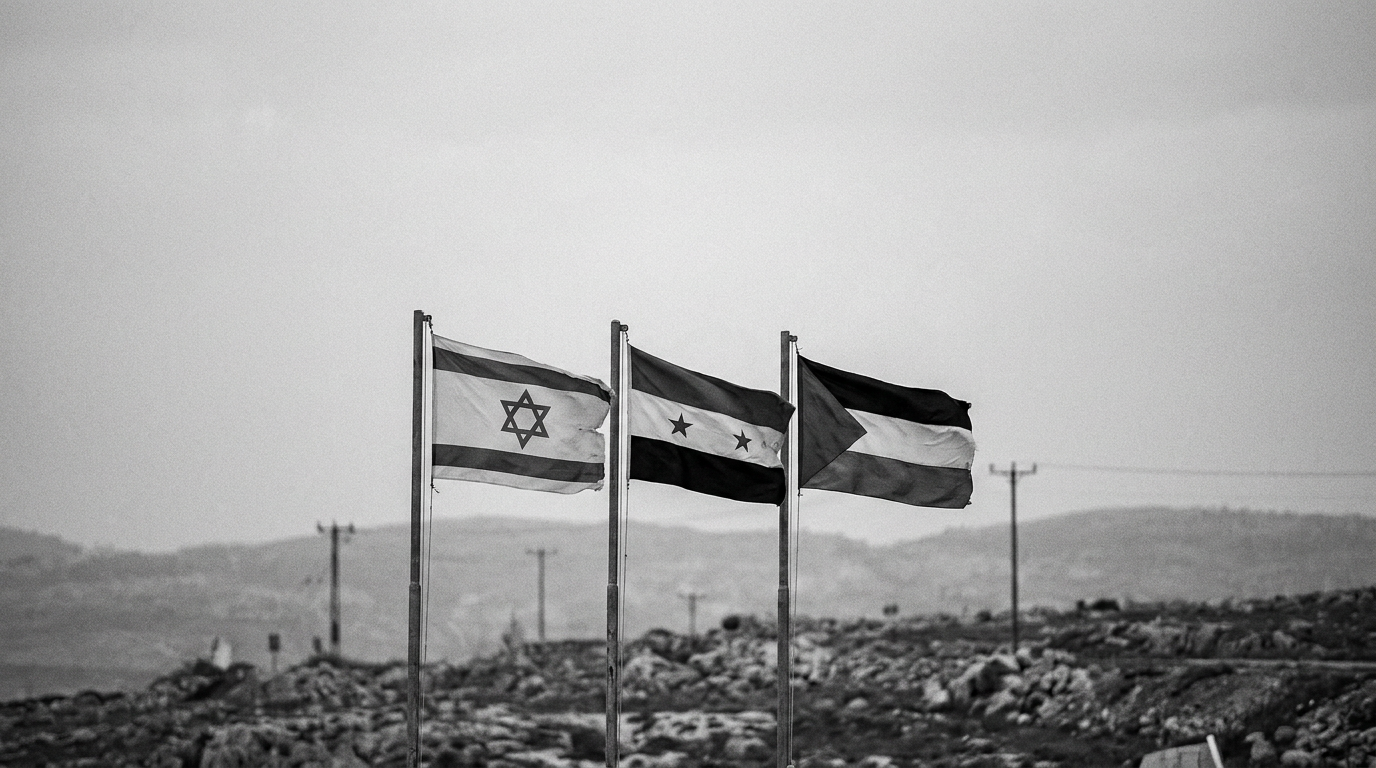
Israel’s defence minister said on July 1, 2026, that Israeli troops will remain in Lebanon, Syria and Gaza until further notice, keeping three military deployments open-ended. Reaction pending, but the statement reinforces a geopolitical risk channel watched by energy, shipping and regional credit markets.
Officials said any withdrawal would happen only after Hezbollah is disarmed. That condition raises the bar for a pullback from Lebanon and signals that Israel is linking its military posture to a security outcome that has no immediate timetable.
Three-front deployment hardens Israel’s terms
The message matters because it places Lebanon, Syria and Gaza inside one security frame. For Israel, holding troops in all three areas preserves military leverage but also extends operational strain and diplomatic exposure.
For the wider region, the condition attached
to Hezbollah adds another obstacle to de-escalation.
If the deployment holds, border incidents or failed negotiations could keep political
risk elevated across the eastern Mediterranean and the Gulf’s investor-risk map.
The macro channel is indirect but familiar: persistent military uncertainty can feed energy-risk pricing, shipping caution and safe-haven demand when tensions rise. No market move was confirmed in the payload, so the immediate trading effect remains unverified.
By July 2, 2026, the next test is whether Israeli officials clarify
the scope of the deployments or whether Lebanon, Syria, Gaza authorities or Hezbollah-linked actors respond.
If the condition holds unchanged, investors will treat the three-front posture
as an extended risk factor rather than a short-term troop decision.