Global Shares Stabilize Amid Oil Price Volatility
Global shares stabilized on March 11 amid oil price volatility and Middle East tensions, as IEA considered a large oil reserve release.
Atlas Newsdesk ·
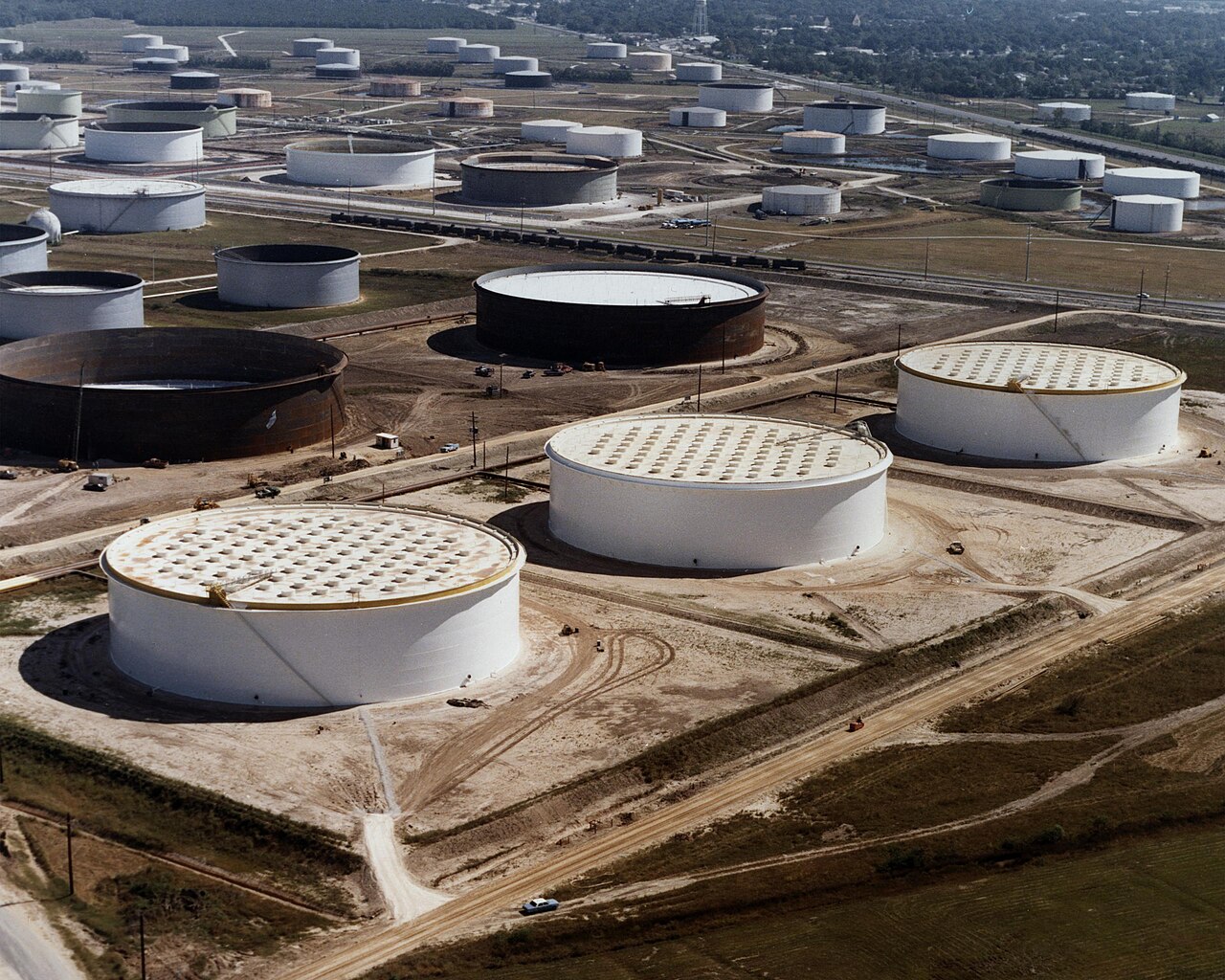
Global equity markets demonstrated stability on Wednesday, March 11, despite ongoing volatility in oil prices and geopolitical tensions in the Middle East. This stabilization followed reports of a potential significant oil reserve release, which temporarily eased concerns over crude price escalation. However, investor sentiment remained cautious due to the broader implications of regional conflicts on global inflation and economic growth.
Asian markets registered gains, with MSCI's Asia-Pacific index (excluding Japan) increasing by 1.6%. Japan's Nikkei 225 index advanced by 2.1%, and South Korea's Kospi saw a 3.2% rise. Futures for major U.S. indices, including the Nasdaq and S&P 500, each recorded a 0.4% uptick, indicating a positive opening for American trading sessions.
International Energy Agency Proposal
The International Energy Agency (IEA) reportedly considered its largest-ever strategic petroleum reserve release. This measure aims to counteract rising crude oil prices, which have been influenced by supply concerns stemming from geopolitical instability. The prospect of increased supply provided a temporary calming effect on global markets.
Oil Market Dynamics
Despite the IEA's potential intervention, crude oil prices showed resilience. Brent crude futures traded marginally higher at $87.89 per barrel, representing a 0.2% increase. U.S. crude oil prices remained largely unchanged at $83.47 a barrel. The sustained price levels underscore the market's sensitivity to supply disruptions and geopolitical risks.
Geopolitical Tensions and Inflation Concerns
The ongoing conflict between the U.S. and Israeli forces and Iran continued to be a primary driver of investor anxiety. Intense airstrikes in the region have heightened fears regarding potential disruptions to global energy supplies. This geopolitical backdrop fuels concerns about persistent inflation, which could prompt central banks to maintain a more restrictive monetary policy stance.
Currency and Bond Market Performance
S. 25. This movement reflects the dollar's role as a safe-haven asset during periods of global uncertainty. Bond markets experienced pressure, as the threat of sustained energy price increases raised expectations for continued hawkishness from central banks. S. 5796%. Analysts widely anticipate that central banks will prioritize inflation control as long as energy-related inflationary pressures persist.
Outlook for Monetary Policy
The prevailing market sentiment suggests that central banks globally are likely to maintain a cautious approach to monetary policy. The persistent threat of inflation, exacerbated by geopolitical events impacting energy prices, reinforces the expectation of higher interest rates for a longer duration. This environment continues to shape investment decisions across various asset classes.
Implications
Country Impact: The U.S. dollar's strength indicates a flight to safety, potentially impacting import costs for other nations. Asian economies, particularly those reliant on energy imports, face increased inflationary pressures from volatile oil prices.
Industry Impact: The energy sector remains highly sensitive to geopolitical developments and IEA policy decisions. Industries with high energy consumption face potential cost increases, while financial services navigate a landscape of cautious central bank policies.
Market Impact: Global equity markets show resilience but remain susceptible to energy price shocks and inflation concerns. Bond yields reflect expectations of sustained hawkish monetary policy, influencing borrowing costs and investment strategies across fixed income.