Asian Semiconductor Equities Decline Amid AI Market Correction
Asian semiconductor stocks fell as earnings missed lofty expectations, prompting an AI-driven valuation reset and a sharp drop in South Korea’s Kospi.
Atlas Newsdesk ·
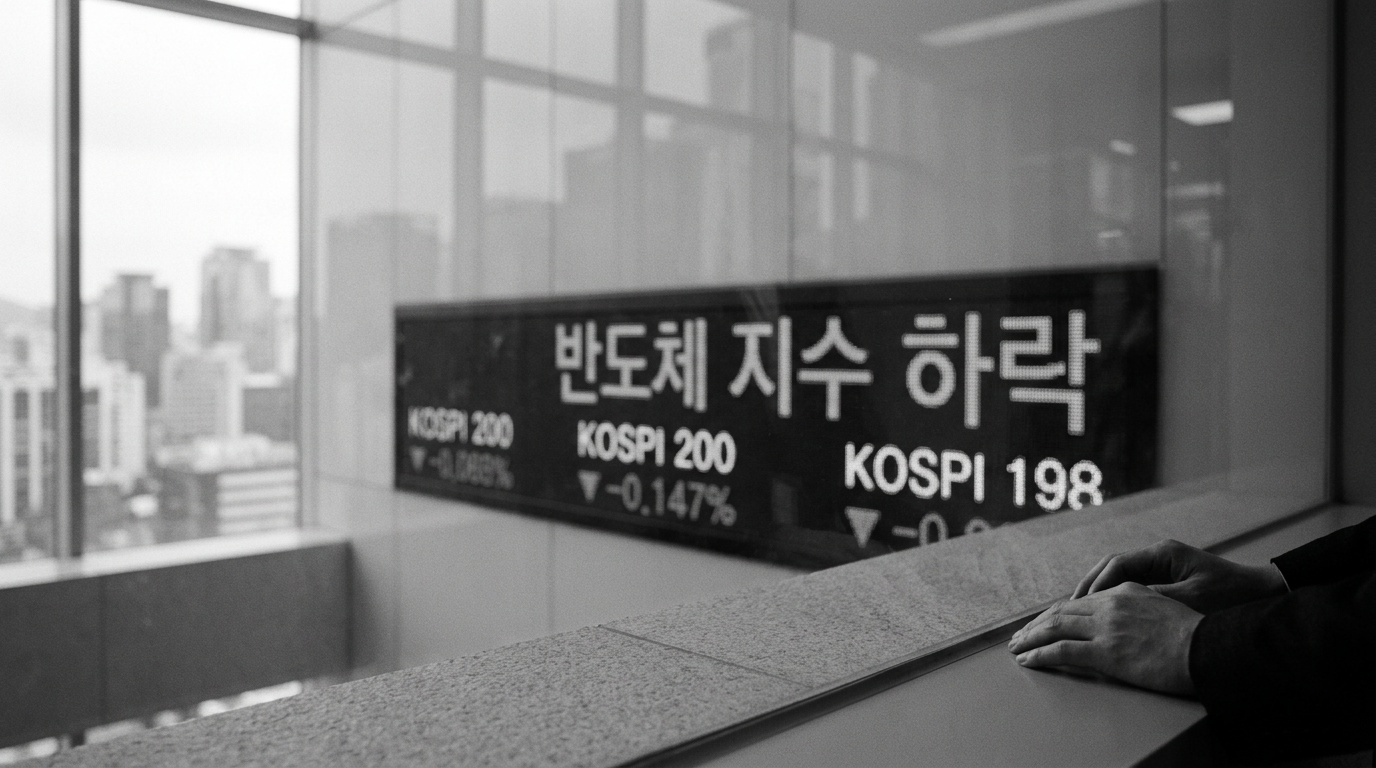
Asian semiconductor equities moved sharply lower as investors digested earnings from major chipmakers that did not match elevated expectations built around artificial intelligence spending. The retreat was marked by a broad contraction in valuations across the sector, with South Korea’s Kospi index cited as a key driver of the move.
Officials and market participants pointed to a change in sentiment on whether AI-related capital expenditure can remain at recent levels. The downturn was also linked to retail selling, including liquidation of positions that had been funded with leverage, adding momentum to the decline.
South Korea’s Kospi drop highlights scale of pullback
The sell-off was led by a 12.6% decline in South Korea’s Kospi index. The move extended a rapid reversal, with the Kospi reported to be down 40% from its peak one month ago as leveraged retail positions were unwound.
In response to the volatility, the South Korean government has started a review of potential market stabilization measures. No specific actions were detailed in the source material, and it remains unclear which tools may be considered and on what timeline.
Chipmakers fall as memory outlook is reassessed
Major regional chipmakers, including Samsung Electronics and TSMC, recorded substantial losses during the downturn. Market participants were described as re-evaluating the long-term growth path of the memory sector, a key area tied to AI computing demand.
The earnings backdrop was central to the shift. The reports were said to have fallen short of heightened expectations, reinforcing the view among some investors that prior pricing had assumed a more robust or sustained trajectory for AI-linked spending.
Defensive positioning grows as oil rises on Middle East tensions Alongside the equity pullback, global capital flows were described as moving toward defensive assets. At the same time, select large-cap technology firms were said to have reached record valuations as investors looked for perceived safe havens.
Geopolitical instability in the Middle East added pressure to markets and the broader macro backdrop for regional trade. Brent crude rose 3.6% to $87.14 per barrel, following military engagements involving Iranian-backed militias.
The combination of sector-specific earnings disappointment, leverage-driven selling, and higher oil prices underscores the range of forces influencing Asian equities. How durable the semiconductor reset becomes may depend on forthcoming signals around AI capital expenditure and whether official measures in South Korea materially reduce volatility.