Saudi sites face Houthis claim as Red Sea risks grow wider
Houthis said they targeted Saudi Red Sea sites after Saudi retaliation, adding pressure to shipping security and US-Iran diplomacy.
Lauren Collins ·
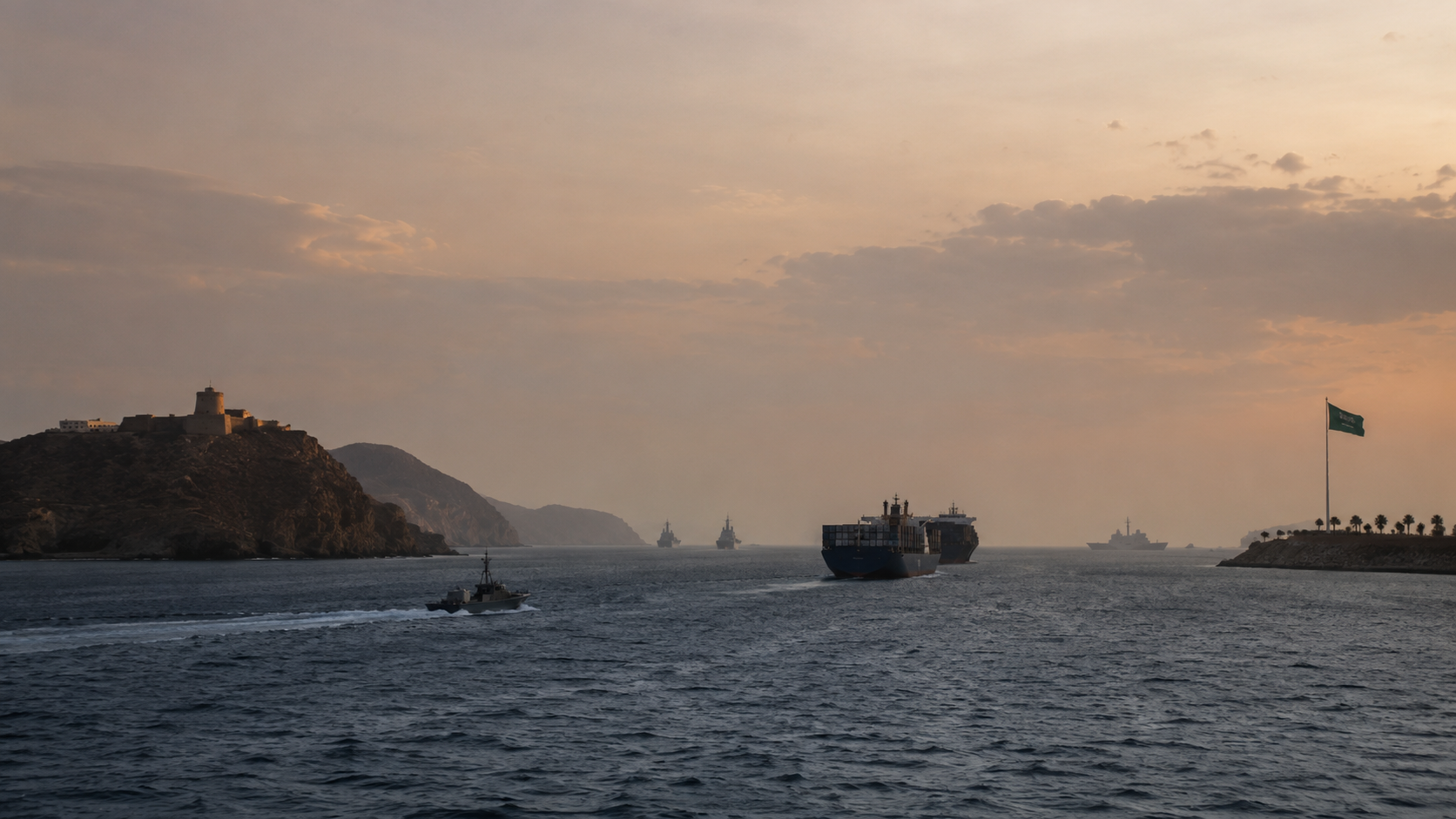
Houthis said they targeted Saudi Red Sea sites Saturday, adding strain to shipping lanes and US-Iran diplomacy after Saudi retaliation.
The Iran-backed group in Yemen framed the operation as another step in its confrontation with Saudi Arabia and commercial shipping. The claim came after Saudi Arabia launched strikes in response to Houthi attacks on merchant vessels, according to the sequence described in the source material.
Saudi coast becomes a target
The Red Sea coast matters because it connects a local war in Yemen to a corridor used by commercial vessels and regional energy exporters. When an armed group says it is reaching Saudi sites there, the political signal is wider than the military claim itself.
Saudi Arabia is the state most directly exposed in this episode. Its retaliation suggests Riyadh is trying to raise the cost of attacks on shipping, while the Houthis are trying to show they can answer pressure with pressure.
The source did not report confirmed damage, casualties, or independently verified impacts from the Houthi claim. That leaves the immediate military picture incomplete, but the diplomatic effect is clearer: each claimed or retaliatory action narrows the space for de-escalation.
A quieter US strike cycle
The weekend also brought a pause in one part of the conflict cycle. The US military did not announce new strikes against Iran on Friday night, the first such pause in two weeks, according to the source material.
US partners in the region also had not reported fresh Iranian attacks so far this weekend. That quiet does not settle the conflict, but it changes the near-term tempo for governments watching for signs of direct escalation.
Diplomacy remains contested in public. An Iranian military official rejected President Donald Trump’s comments that Tehran is “getting more serious” about negotiations, while Trump has said Iran would “love to make a deal.”
Those statements matter because negotiations are not only about formal talks; they also shape leverage. Washington gains if Tehran appears open to terms, while Iran loses bargaining room if engagement is seen as pressure-driven rather than voluntary.
Three paths shape the weekend
If the absence of new US strike announcements and fresh Iranian attacks holds, markets and governments may get a short window of lower immediate risk. The global macro effect would be less pressure from a sudden regional shock, Saudi Arabia would face fewer immediate security escalations, and shipping firms would still price in caution around the Red Sea.
If Houthi claims and Saudi retaliation continue, the mechanism runs through insurance, routing decisions, and military readiness. The global effect would be a higher geopolitical risk premium, Saudi Arabia would be pulled deeper into coastal defense, and the shipping sector would face more disruption risk even without verified damage from every claim.
If US-Iran diplomacy becomes more substantive, the company-level equivalent in this story is not a single firm but the commercial shipping community that depends on predictable passage. If talks instead remain a public exchange of denials and pressure, the Houthis retain space to present themselves as part of a broader regional front, and Saudi Arabia faces a longer contest over deterrence.
The open questions are concrete: whether the Houthi claim is followed by verified damage reports, whether Saudi Arabia conducts additional strikes, whether the US military resumes announcements of action against Iran, and whether either Washington or Tehran provides evidence that talks have moved beyond public positioning.