Iraq's fragile sovereignty erodes after Basra strikes
Drones struck Basra oil facilities and foreign-company compounds after the region's widening war, exposing weak state control and risks to oil flows.
Mateo Fernandez ·
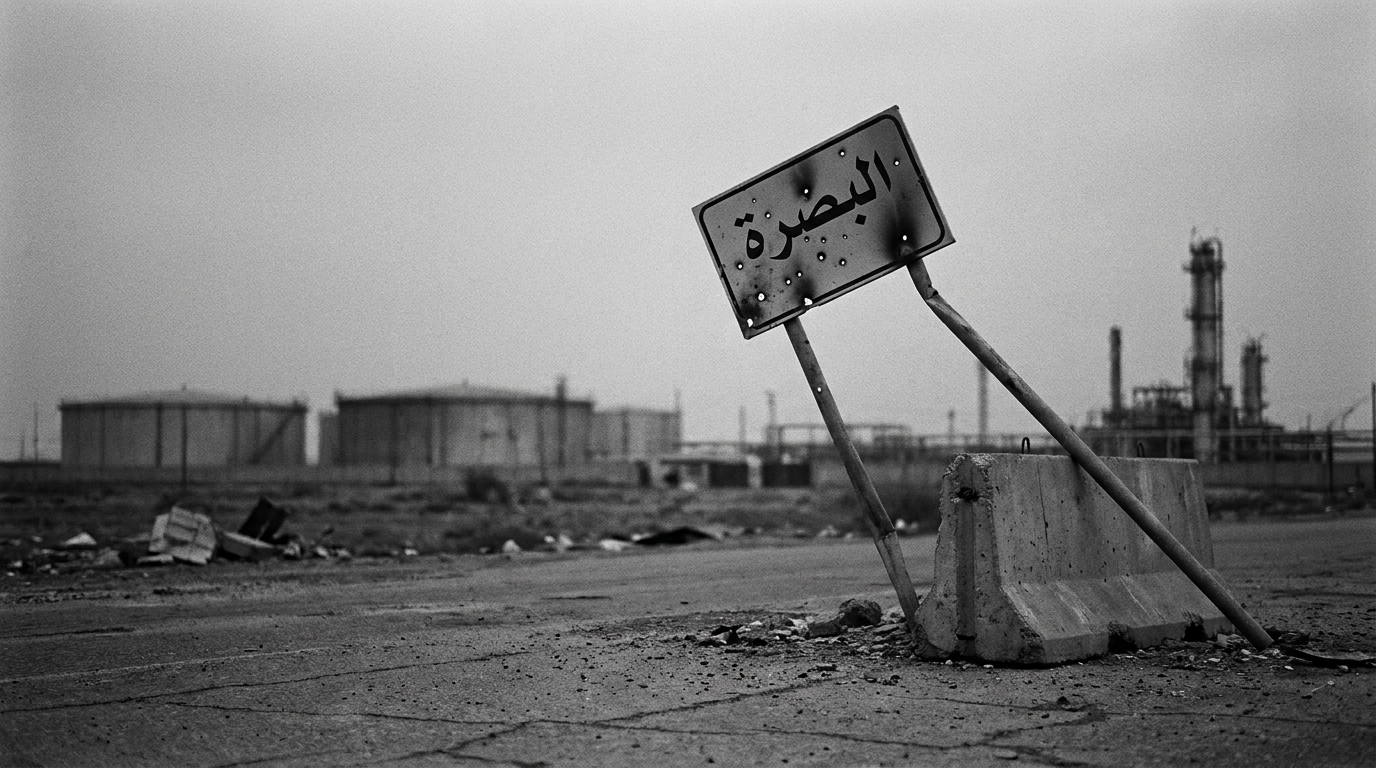
Drones struck southern Iraq's Basra region on July 23, 2026, hitting an oilfield run by BP, a cargo terminal at Basra airport and a compound that houses foreign oil-service firms, officials said. Another attack on 6 March targeted the same compound, striking offices and warehouses used by Halliburton and KBR and triggering a large fire.
Basra oilfield and foreign compounds
Officials said the strikes followed a sharp escalation in the wider regional war after the killing of Ayatollah Ali Khamenei, which has shattered the previous equilibrium between the United States, Iran and Israel. The attacks in Basra focused on energy infrastructure and the facilities of firms that have operated in Iraq since 2003, underlining the state's limited ability to secure key sites.
A senior Iraqi security official said the strikes showed “how easily sovereignty could be violated.” Data showed the compound houses logistics, spare parts and storage that support upstream operations, raising the prospect of short-term disruptions to maintenance and exports if access is curtailed.
Basra's vulnerability amplifies risks for international companies, Iraq's central ministries and regional trade routes. Officials said security forces have limited capacity to deter cross-border drone strikes, and local officials are seeking international assistance to secure terminals and pipelines.
Expect further security briefings and oil-output reports by July 30, 2026; markets and companies will be watching damage assessments and any closure notices.