China-Brokered Deal Realigns Saudi and Iran Ties
The China-brokered March 2023 Saudi-Iran agreement has reshaped regional diplomacy, fostering de-escalation and impacting global energy markets.
Omar Farouk ·
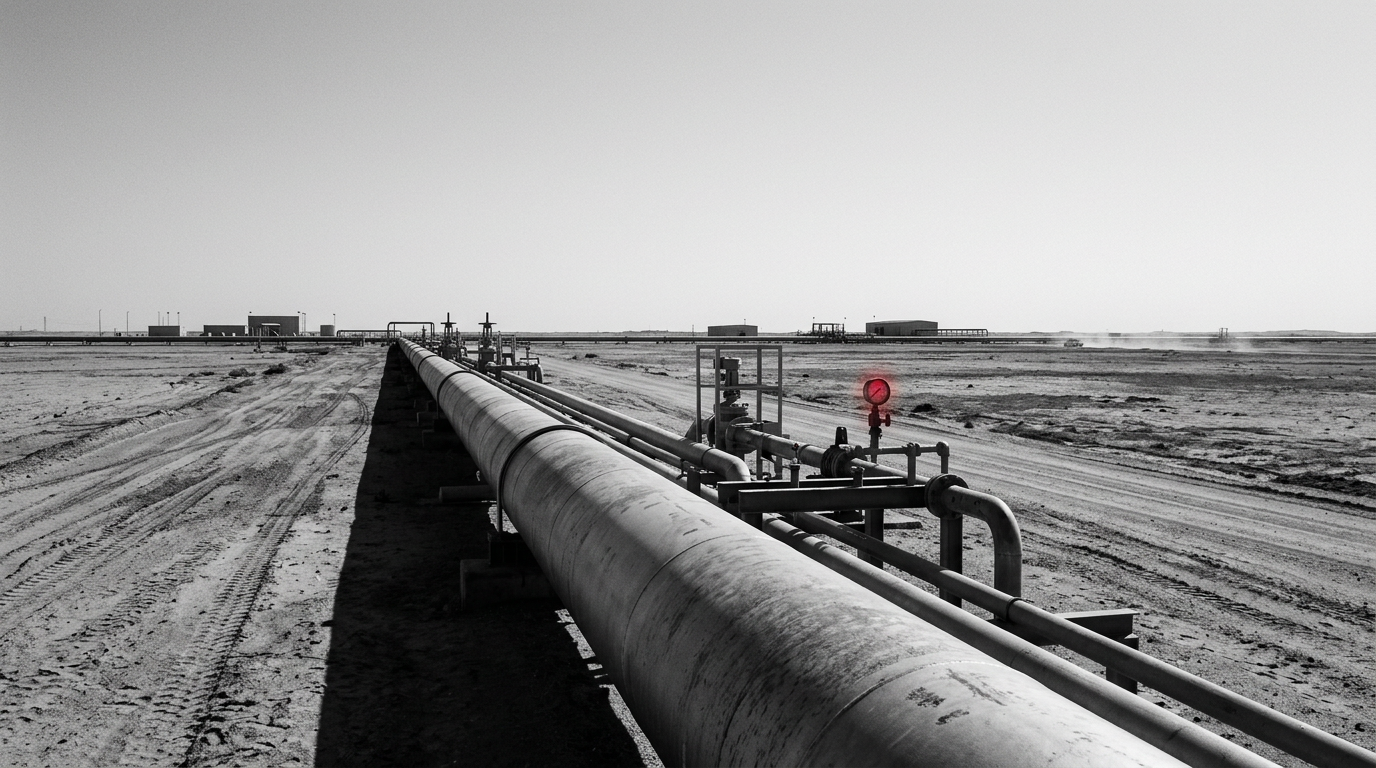
A landmark agreement forged in March 2023 between Saudi Arabia and Iran, facilitated by China, has initiated a fundamental transformation in the Middle East's diplomatic landscape. This accord, sometimes referred to as the "Mecca agreement" in regional circles, marked a pivotal moment towards normalizing relations between two long-standing geopolitical rivals.
The rapprochement has sparked discussions about widespread de-escalation across numerous flashpoints throughout the region, signaling a pronounced departure from years characterized by proxy conflicts and mutual diplomatic isolation.
Prior to this diplomatic breakthrough, Saudi Arabia and Iran were deeply entrenched in a fierce geopolitical rivalry. This competition manifested significantly through proxy engagements in various nations, including Yemen, Syria, Iraq, and Lebanon.
The Islamic Revolutionary Guard Corps (IRGC) and its allied groups were actively involved in these theaters, often engaging indirectly with forces supported by Saudi Arabia. Regional concerns about Iran's influence were frequently voiced by Gulf Cooperation Council (GCC) member states, while the Israel Defense Forces (IDF) also closely monitored Iranian activities, particularly in Syria.
These pervasive tensions also complicated broader international diplomatic endeavors, such as discussions surrounding the Joint Comprehensive Plan of Action (JCPOA) concerning Iran's nuclear program.
Regional Stability and Global Economic Implications
The re-establishment of diplomatic ties carries immediate and significant implications for regional stability. Already, the agreement has facilitated renewed discussions aimed at securing a lasting ceasefire in Yemen, alongside successful prisoner exchanges between Riyadh and Tehran.
These developments represent a tangible pathway toward reducing the intensity and scope of several ongoing regional proxy conflicts. The demonstrated willingness of both capitals to engage diplomatically, with Beijing acting as a key mediator, also indicates a potential re-evaluation of long-standing alliance structures across the Middle East.
Globally, the rapprochement between these two major powers affects critical sectors, most notably oil markets and vital shipping lanes. Both Saudi Arabia and Iran are influential members of OPEC+, a collective that significantly impacts global oil supply and pricing dynamics.
A reduction in regional tensions could, theoretically, contribute to greater predictability and stability within global energy markets. Furthermore, the security of crucial maritime chokepoints, such as the Strait of Hormuz and Bab al-Mandab – through which a substantial portion of the world's oil and goods transit – could see improvements with a decrease in regional hostilities and threats.
Monitoring Future Trajectories and Observable Changes
Regional and international observers will closely monitor the consistent implementation of the Saudi-Iran agreement in the coming months. Key indicators of sustained commitment to de-escalation include continued progress in ceasefire negotiations in Yemen and further prisoner exchanges.
Any joint initiatives undertaken by Riyadh and Tehran on matters of regional security or economic cooperation would further signify a deepening of their relationship and mutual trust. Other Gulf states, along with the United States, are keenly observing these developments to understand their broader impact.
Sustained de-escalation between Saudi Arabia and Iran has the potential to lead to new diplomatic arrangements across the broader Middle East, potentially influencing regional energy policies and evolving security dynamics. Conversely, any renewed tensions or a collapse of the current diplomatic efforts would underscore the fragility of the rapprochement.
Such a setback could risk reigniting proxy conflicts across the region and undermining the nascent stability achieved through the China-brokered deal.