Sarah Mullally Appointed Archbishop of Canterbury
Archbishop of Canterbury Sarah Mullally was installed March 26, 2026, the first woman in the role, amid safeguarding focus and unity calls.
Ayla Demirhan ·
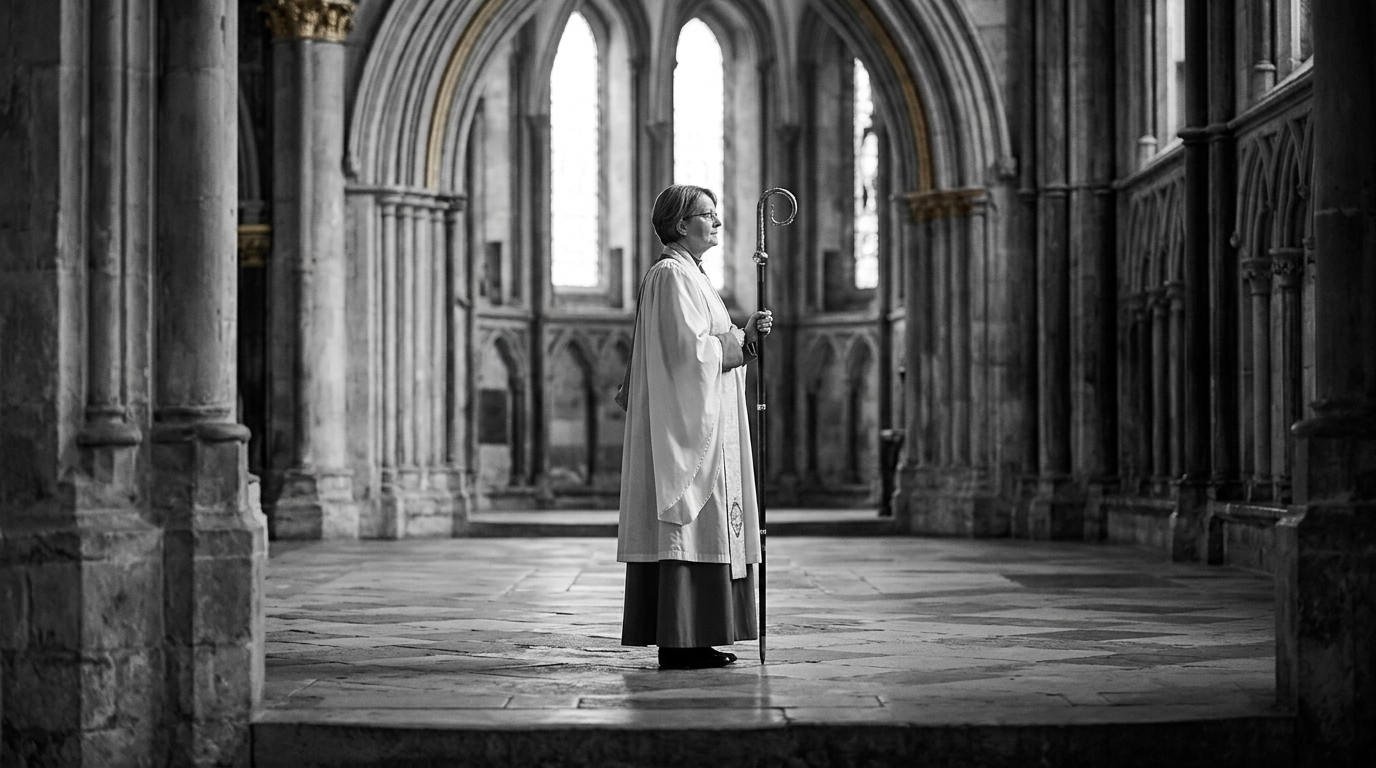
Sarah Mullally was formally installed at Canterbury Cathedral on Wednesday, March 26, 2026, taking up the role of Archbishop of Canterbury and becoming the first woman to hold the post.
The service drew about 2,000 attendees, including Prince William, Catherine, and UK Prime Minister Keir Starmer, and marked the public start of her ministry in the historic office.
What changed at Canterbury
Mullally’s installation is a major institutional milestone for the Church of England, which only began ordaining women as priests in 1994 and appointed its first female bishop in 2015.
During the ceremony, she sat on the 13th-century Chair of St Augustine, a symbol closely associated with the archbishop’s authority and continuity.
Messages in her first sermon
In her inaugural sermon, Mullally prayed for peace in several conflict-affected regions, naming the Middle East, Ukraine, Sudan, and Myanmar.
She also addressed safeguarding failures in the church, saying her approach would be grounded in truth, compassion, justice, and action.
Context: leadership transition and safeguarding
Mullally succeeds Justin Welby, who resigned in 2024 following a child abuse cover-up scandal.
That backdrop makes safeguarding a central issue for the new archbishop, although the installation service itself did not provide detailed policy steps or timelines.
Global Anglican Communion and internal tensions
The Archbishop of Canterbury is described as the spiritual head of the global Anglican Communion, which the church says includes roughly 85 million members worldwide.
Mullally’s appointment has faced criticism from conservative factions within the wider communion, particularly on questions of women’s leadership and same-sex blessings.
A planned move to name a rival figurehead was later dropped, with those involved instead opting to create a new council, according to the information provided.
Why it matters for politics and markets
While the Church of England is a religious institution, its leadership changes can carry political and social significance in the UK, underscored by the presence of senior royals and the prime minister at the installation.
For global stakeholders, the shift may influence how the Anglican Communion manages cohesion across regions with different social and political pressures, though the practical effects will depend on decisions not yet detailed publicly.
Mullally has emphasized maintaining unity while accommodating diversity across the global church, but the durability of that approach remains an open question given existing disagreements.