Ancient Dog DNA Rewrites Domestication Timeline
Ancient dog DNA analysis in Nature shifts the earliest confirmed domestication evidence back 5,000 years, to over 15,000 years ago.
Ayla Demirhan ·
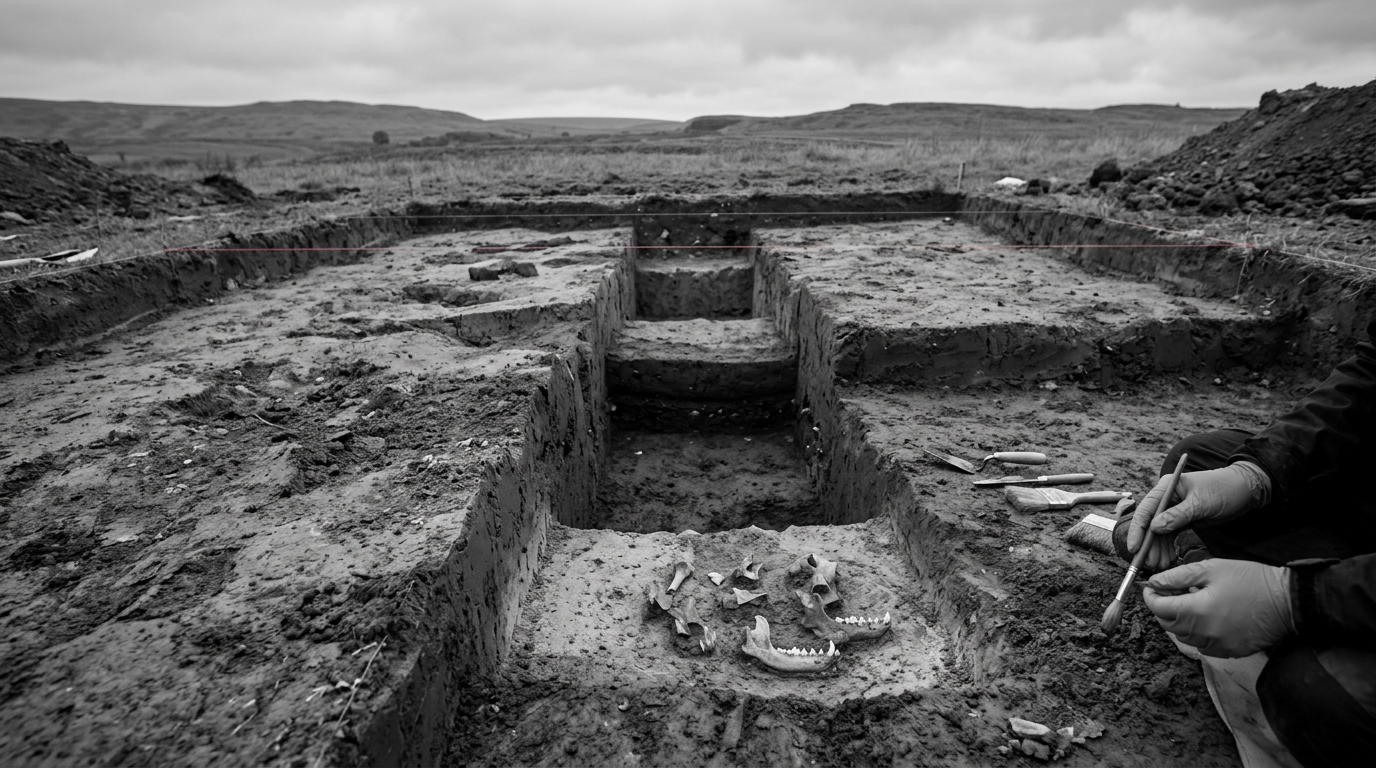
New genetic work on ancient canid remains has moved the earliest confirmed evidence for dog domestication further into the past, placing it at more than 15,000 years ago. The research, published in Nature , argues this timeline is about 5,000 years earlier than the previous benchmark based on direct genetic data.
The study was carried out by two international research teams using advanced DNA sequencing on ancient dog and wolf specimens. Among the samples highlighted were a 14,300-year-old dog jawbone from Gough’s Cave in Somerset, UK , and a 15,800-year-old specimen from Anatolia, Turkey .
What changed in the evidence
Before this publication, the oldest direct genetic confirmation for dogs was dated to 10,900 years . By extracting and analyzing genetic material from older remains, the teams report that domesticated dogs were already present during the last ice age , well before farming became widespread.
The findings also indicate that by around 15,000 years ago , dogs with varied ancestry were already distributed across Eurasia , spanning locations from the UK to Siberia . That geographic spread, combined with genetic relatedness across sites, is presented as evidence that dogs moved quickly alongside people.
Signals of human care and social value
Beyond DNA, the researchers used isotopic measurements from bones to infer diet. Those results showed the ancient dogs ate food similar to nearby human groups, which the study interprets as a sign of deliberate provisioning rather than purely scavenging.
Archaeological context in Turkey adds another layer: at Pınarbaşı , three puppy skeletons were found buried alongside human remains. The study treats this as evidence consistent with ritual treatment and a social bond between people and dogs.
Why it matters now
By placing domesticated dogs firmly in hunter-gatherer societies, the work reframes dogs as part of human life before agriculture, rather than a byproduct of settled farming communities. The authors suggest dogs likely had roles beyond companionship, potentially including support in hunting or serving as early warning systems.
The research also raises questions that remain unresolved in the published summary: the precise pathways of early dog movement across Eurasia are not confirmed, and “trade” is presented as a possible mechanism rather than a demonstrated one. Even with improved sequencing, ancient DNA evidence is constrained by what survives and what has been sampled, leaving room for future revisions as additional remains are analyzed.