Russian diesel sanctions lift tests Trump's GOP support
President Trump approved a Russian diesel sanctions lift tied to nearly 5 million tons of fuel, trading energy-price relief against political risk.
Lauren Collins ·
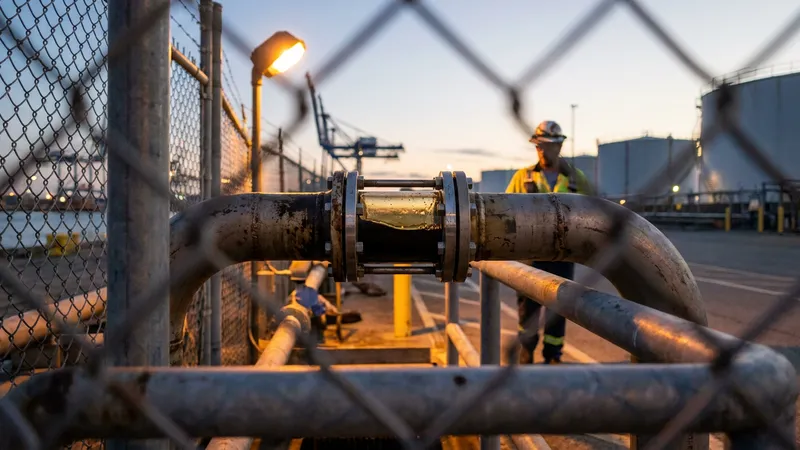
President Trump lifted Russian diesel sanctions for nearly 5 million tons of fuel, opening US and global supplies as energy costs weigh politically.
The approval follows a deal with President Vladimir Putin and ties US energy policy more directly to the politics of the Ukraine war. It gives the White House a near-term supply lever while creating a new opening for lawmakers who want sanctions to remain a tool of pressure on Moscow.
A diesel bargain with Putin
The deal covers nearly 5 million tons of Russian diesel, the volume identified as heading toward US and global markets. Diesel matters politically because it is used heavily in farming, ranching and trucking, the constituencies Trump named in defending the decision.
"Lower prices for Americans, especially our Great Farmers, Ranchers, and Truckers, is my Greatest Priority," Trump posted to Truth Social. The wording frames the waiver as a consumer and logistics measure rather than a concession to Russia.
Republicans face a sanctions reversal
The political conflict comes from timing. Less than a month ago, Republicans praised Trump for signing a sanctions bill intended to increase pressure on Moscow during the Ukraine war.
Allowing Russian diesel back into markets now gives Democrats and sanctions-minded Republicans a clear line of attack. Their argument is likely to focus on whether price relief for US consumers should outweigh the economic pressure Washington had recently sought to apply.
The decision also affects Trump’s next sanctions deadline. He has until October 18 to decide whether to sanction countries using Russian oil and gas, and the diesel deal makes a tougher course less likely if the White House keeps prioritizing lower fuel costs.
Energy prices meet war policy
The White House is balancing two goals that point in different directions: lower fuel prices and sustained pressure on Russia. The decision shows the administration choosing additional fuel supply at a moment when war-related energy costs remain a political liability ahead of the midterms.
For global markets, the immediate mechanism is supply. If the sanctioned diesel reaches buyers quickly, added cargoes could ease pressure in fuel markets; if legal, shipping or political resistance slows the flow, the pricing benefit may be smaller while the diplomatic cost remains.
For Trump, the gain would be a more direct claim that his administration is acting on fuel costs. The risk is that the same step can be described by opponents as economic relief for Moscow, especially after a sanctions bill that was sold as pressure on Russia.
The October 18 choice narrows
The wider industry effect depends on whether this is a one-off waiver or the start of a softer sanctions posture toward Russian energy. Refiners, traders and transport users would read a narrow exemption differently from a broader shift that changes the risk of handling Russian-linked fuel.
If Trump imposes sanctions on countries using Russian oil and gas by October 18, the diesel approval may look like a limited price intervention. If he declines, the move would fit a broader pattern of prioritizing energy costs over sanctions escalation, with consequences for US policy, Russian revenue and fuel-market behavior.
The main open question is whether the White House can keep the diesel volumes moving without breaking Republican support for its Russia policy. The answer will shape whether this becomes a narrow energy-price measure or a larger test of sanctions discipline.