Russia Downs 65 Drones Targeting Moscow
Russian air defenses intercepted 65 Ukrainian drones targeting Moscow on Saturday, March 14, with 280 drones downed across western Russia.
Lauren Collins ·
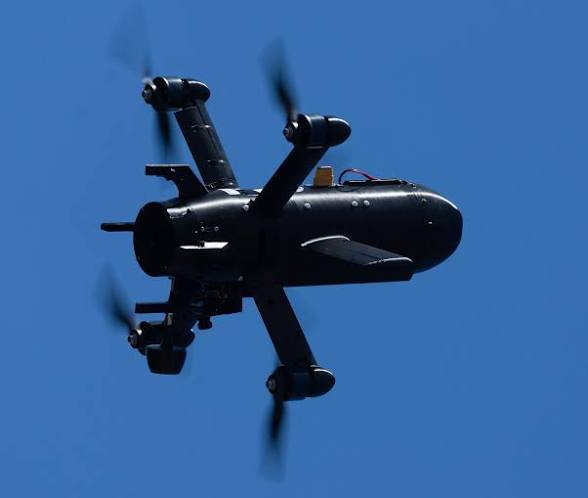
Russian air defense systems intercepted a significant number of Ukrainian uncrewed aerial vehicles (UAVs) targeting Moscow and other regions on Saturday, March 14. Mayor Sergei Sobyanin confirmed that 65 drones were downed over the capital during an 11-hour period. This incident marks one of the largest drone attacks on Russian territory since the full-scale invasion of Ukraine began in February 2022.
The Russian Ministry of Defense provided a broader overview, stating that a total of 280 Ukrainian drones were intercepted across central and western Russia within a 10-hour timeframe, concluding at 9 p.m. on Saturday. Of these, 47 were specifically aimed at Moscow, indicating a coordinated and widespread assault.
Regional Defense Operations
Beyond the capital, the Bryansk region, which shares a border with Ukraine, also experienced extensive drone activity. Governor Alexander Bogomaz reported that 128 drones were neutralized in his area. While a specific timeframe for these interceptions in Bryansk was not provided, the scale suggests a sustained effort to penetrate Russian airspace.
These drone operations follow earlier reports of Ukrainian strikes within the Bryansk region. Notably, Ukrainian forces had previously claimed responsibility for an attack on a missile component plant in the area earlier in the week. Governor Bogomaz had reported seven fatalities resulting from that specific incident, underscoring the escalating nature of cross-border engagements.
Escalation of Drone Warfare
The use of drones has become a prominent feature of the conflict, with both sides employing them for reconnaissance, targeting, and direct attacks. Ukraine has increasingly utilized long-range drones to strike targets deep within Russian territory, including military installations, energy infrastructure, and industrial sites. These attacks aim to disrupt Russian logistics, diminish military capabilities, and exert pressure on the Russian populace.
Conversely, Russia has also heavily relied on drones, particularly Iranian-made Shahed-136/131 kamikaze drones, to target Ukrainian cities and critical infrastructure. The ongoing drone exchanges highlight a strategic shift towards asymmetric warfare, where cost-effective unmanned systems play a crucial role in shaping battlefield dynamics and extending the reach of military operations.
Implications for Air Defense
The reported interception numbers underscore the continuous efforts by Russian air defense units to counter these aerial threats. The sheer volume of drones involved in the Saturday attacks suggests an attempt to overwhelm air defense systems. While Russian authorities claim high interception rates, the persistent nature of these attacks indicates that Ukraine continues to develop and deploy advanced drone capabilities.
The effectiveness of air defense systems against swarms of drones remains a critical factor in the ongoing conflict, influencing both military strategy and civilian security.
Implications
Country Impact: The widespread drone attacks indicate an escalation in Ukraine's strategy to target Russian territory, potentially increasing domestic pressure on the Russian government and diverting resources to air defense. This could impact public perception of security within Russia.
Industry Impact: The targeting of a missile component plant earlier in the week suggests a focus on disrupting Russia's military-industrial complex. Continued attacks on industrial and energy infrastructure could impact production capabilities and supply chains, affecting key sectors.
Market Impact: Increased geopolitical tensions and direct attacks on Russian territory could introduce volatility into global energy markets, particularly oil and gas prices. Investor confidence in regional stability may also be affected, potentially influencing capital flows.