Russia Tests Mobilization Capacity, Raising Market Concerns
Russia held large-scale military exercises this month to test mass mobilization, potentially elevating geopolitical and commodity market risks.
Mateo Fernandez ·
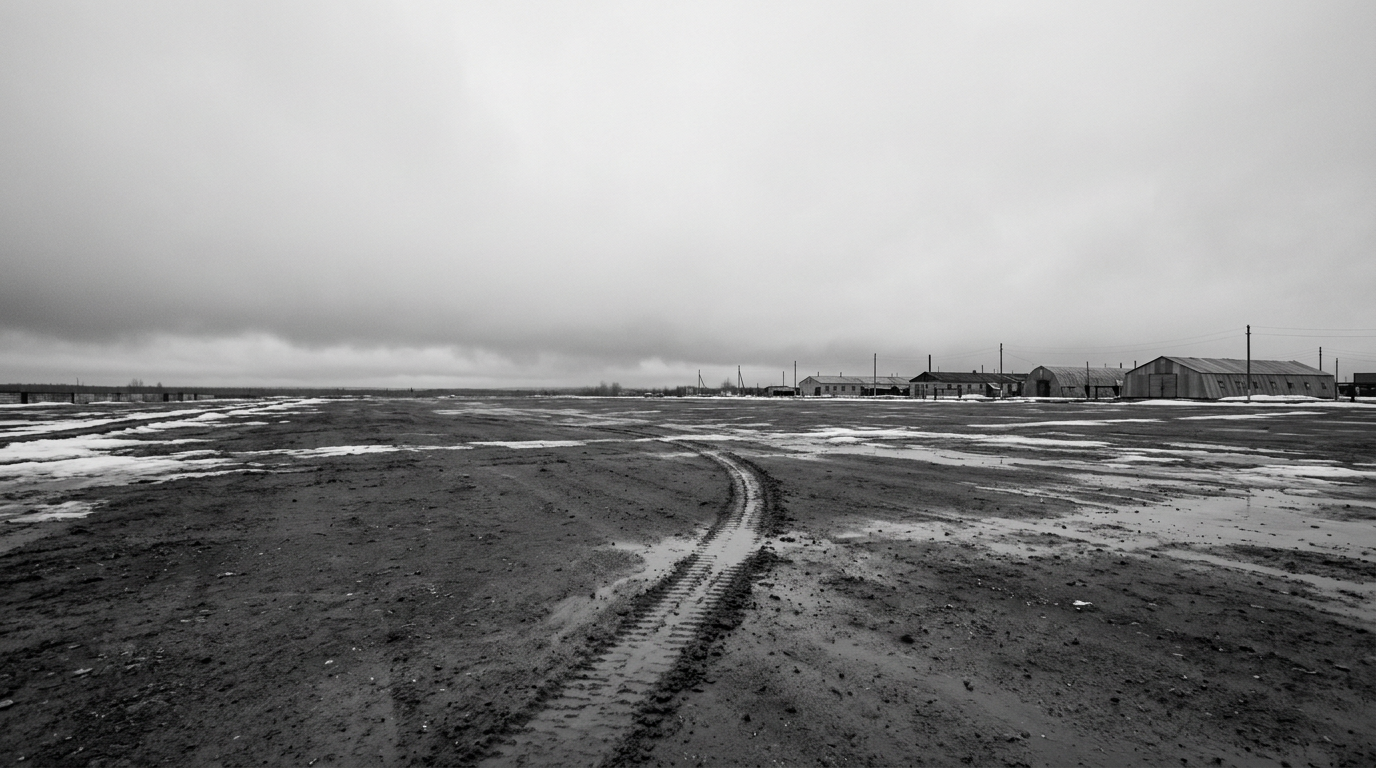
Russia's military recently concluded exercises aimed at evaluating its capacity to integrate a large influx of recruits, marking the first drills of this magnitude since 2022. Officials indicated these tests were designed to assess how rapidly military units could incorporate substantial numbers of personnel if a new mobilization order were issued by the country's leadership.
The exercises primarily focused on the intake processes, training pipelines, and logistical systems necessary to deploy individuals into active units.
Assessing Recruitment Readiness
During the drills, Russian authorities specifically evaluated recruitment capabilities across various regions. The exercises provided critical data points regarding the efficiency of training infrastructure and the logistical challenges associated with moving a large number of personnel.
Officials stated that the outcomes of these assessments would be instrumental in shaping future force-generation strategies and plans. While the exercises were comprehensive, specific troop numbers involved or a definitive timeline for any potential future mobilization were not disclosed.
Authorities emphasized that these recent drills served as preparatory measures and did not constitute a direct mobilization order. However, they did not rule out the possibility of a future call-up if political leaders deem it necessary for national security or other strategic objectives. The absence of precise details regarding the timing and potential scope of any future mobilization remains a significant uncertainty for observers and analysts.
Market Implications and Global Commodities
The strategic nature of these exercises carries broader implications, particularly for global commodity markets. Russia stands as a major international exporter of key commodities, including oil and grain.
Officials have explicitly warned that any large-scale mobilization could potentially disrupt domestic production or export capabilities, thereby posing a notable risk to global supply chains and market stability. Such disruptions could lead to price volatility and impact countries reliant on Russian exports.
Given these potential ramifications, market participants and supply-chain managers are expected to closely monitor any formal mobilization orders issued by Russian authorities. Officials highlighted that a clear trigger for immediate market and logistical effects would be a formal mobilization order, with some analysts identifying a potential watch date around October 1, 2026, though no specific official timeline was provided beyond general preparedness.
The ongoing situation requires careful observation of policy decisions and military developments in the region.