Nigeria Boat Tragedy Claims 51 Lives in Sokoto State
Fifty-one agricultural workers died in a boat capsize on August 19, 2026, in Nigeria's Sokoto State, highlighting systemic water safety issues.
Lauren Collins ·
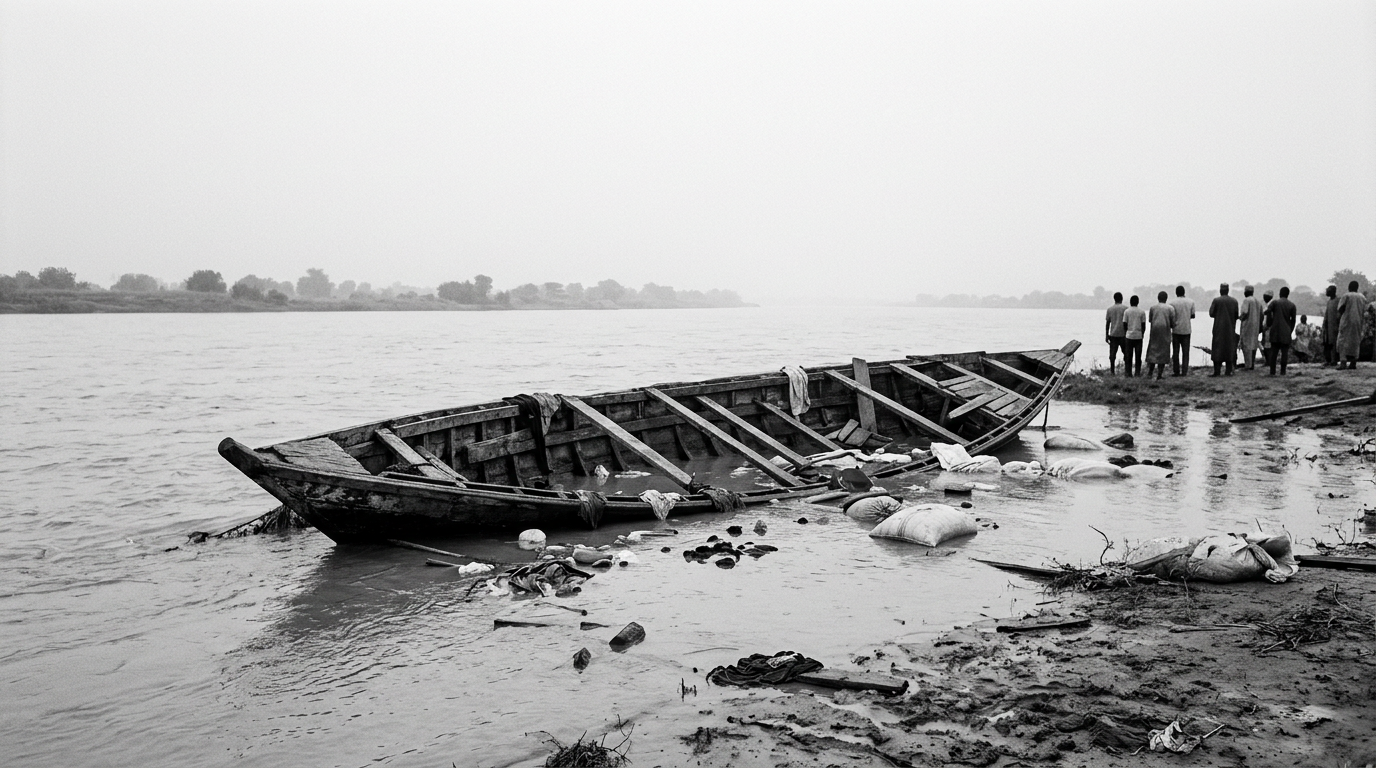
Fifty-one individuals perished after a vessel transporting agricultural laborers overturned on Wednesday, August 19, 2026, within Nigeria’s Sokoto State. The incident occurred in a river near Gorau, located in the Goronyo local government area, according to local officials and emergency services. The boat sank during the country's rainy season, a period characterized by heightened water traffic and increased risks on waterways. Community leaders and eyewitnesses reported that 51 bodies were recovered and subsequently interred by Thursday morning following the disaster.
While Emergency Management Agency (NEMA) had not yet released an official casualty count, rescue operations were continuing to determine if any additional passengers remained unaccounted for. This tragic event underscores a persistent challenge of maritime safety in Nigeria, where such incidents are a recurring pattern, particularly during periods of high water levels and increased river activity.
Persistent Waterway Hazards
The latest capsize in Sokoto is part of a series of fatal maritime accidents across Nigeria's extensive water transportation network. Frequent issues contributing to these dangers include vessel overloading, insufficient maintenance of boats, and a widespread lack of enforcement regarding established safety regulations. These systemic risks are especially pronounced in regions where local populations depend heavily on rivers and waterways for their daily movement and economic activities.
Earlier in 2026, similar accidents were documented in Jigawa and Yobe states, providing further evidence of the pervasive nature of these hazards throughout the country. The annual rainy season significantly exacerbates these already precarious conditions, leading to higher water levels, stronger currents, and an increased volume of passenger traffic on rivers, which collectively elevate the risk of such catastrophic events.
Challenges in River Transit Safety
This incident vividly highlights the ongoing difficulties faced by authorities in ensuring safe river transit for local communities, particularly for those who rely on these routes for essential access to agricultural lands. Many rural areas in Nigeria suffer from inadequate road infrastructure, making river transport a critical, albeit often perilous, lifeline for both economic activities and daily commutes for residents.
In the aftermath of this capsizing, officials are expected to face renewed calls from the public and various advocacy groups. These calls will likely press for comprehensive actions to address the fundamental issues contributing to the frequent and deadly boating accidents witnessed across Nigeria. Crucial steps to mitigate future tragedies include improving vessel safety standards, implementing regular inspection regimes, and launching public awareness campaigns focused on safe water practices. The long-term reliance on informal and frequently unregulated water transport methods points to a broader national challenge regarding infrastructure development and effective safety oversight.
Community Impact and Future Measures
The loss of 51 lives, many of whom were likely farm workers, is anticipated to have a profound and lasting impact on the Goronyo local government area. Incidents of this magnitude not only inflict immediate human tragedy but also severely disrupt livelihoods and community stability, particularly within agricultural zones that depend on seasonal labor. The collective trauma and potential economic displacement resulting from such a large-scale loss can persist for extended periods.
Addressing these deep-seated problems demands a multi-faceted approach. This strategy should encompass robust government regulation, active community engagement, and strategic investment in developing safer and more reliable alternative transportation options. Such concerted efforts are essential to prevent further loss of life and to enhance the resilience of riverine communities in Nigeria.