Beijing Contests US Drone Tariffs Set for September 3
The US will impose 100% tariffs on certain Chinese drones and components from September 3, prompting strong objections from Beijing.
Lauren Collins ·
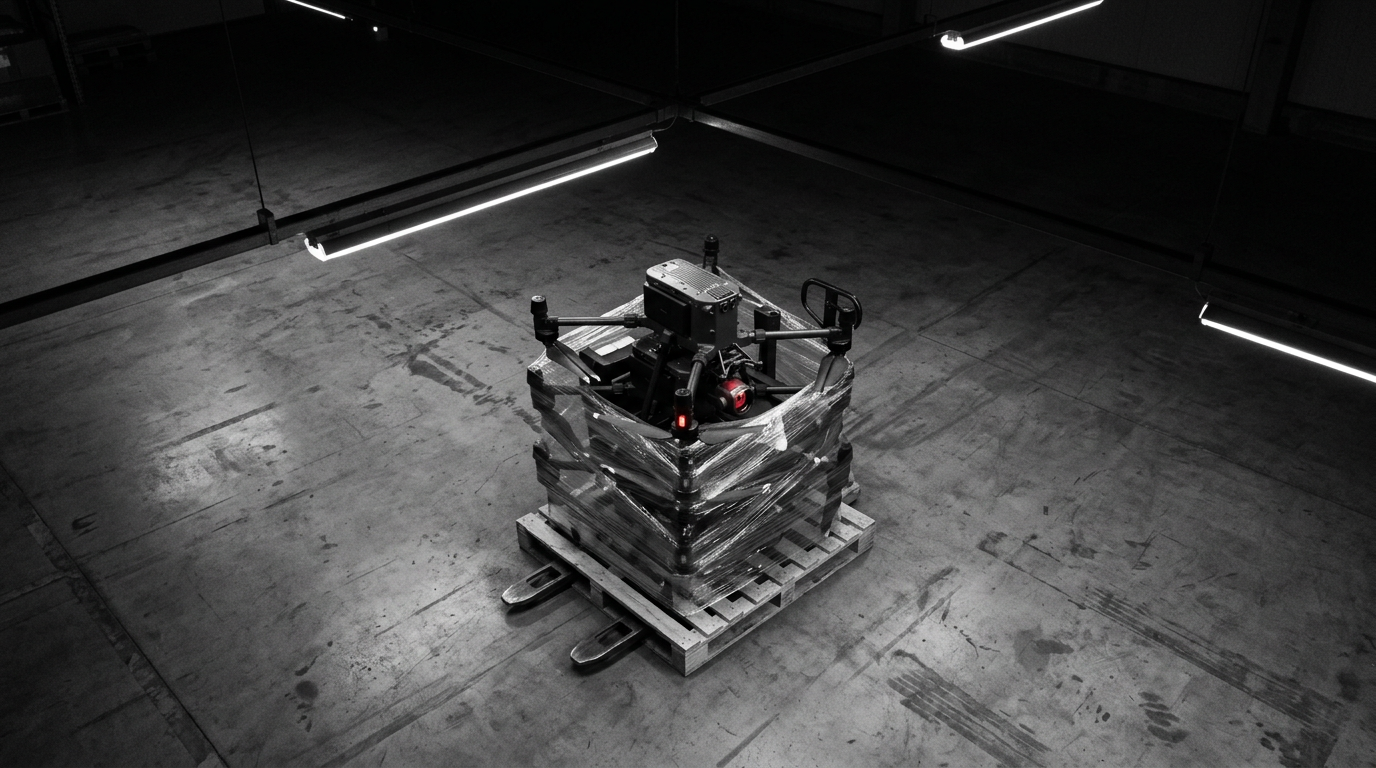
The United States is preparing to implement new tariffs of up to 100 percent on specific categories of drones and related components imported from China. These duties are scheduled to take effect on September 3, targeting unmanned aerial vehicles (UAVs) weighing over 25 kilograms, those equipped with thermal-imaging technology, and models incorporating critical components identified under Section 232 of the Trade Expansion Act.
Chinese officials have formally called for the withdrawal of these impending tariffs, expressing concerns that such measures could disrupt global supply chains and inflict economic damage on domestic companies. Beijing asserts that the majority of the affected drone exports are designed for civilian uses, including agricultural operations and industrial inspection tasks.
Trade Friction Escalates
This trade action follows a period of heightened economic tension between the two global powers, particularly concerning technology and national security. The U.S. government has increasingly utilized national security authorities to regulate trade, a practice frequently challenged by Beijing. Recent customs data indicates that export volumes for certain Chinese drone models experienced a decline in July, preceding the announced implementation date of these new tariffs.
The dispute over drones mirrors broader friction regarding the application of national security justifications for trade policies. Washington has maintained that these tariffs are essential for safeguarding national security and protecting domestic industries from unfair competition. Conversely, China views these actions as protectionist measures designed to curb its technological advancement and export capabilities.
Implications for Global Supply Chains
The imposition of significant tariffs on drones and their components is expected to have a ripple effect on international supply chains. Many global manufacturers rely on Chinese-made parts and finished products, particularly in the rapidly expanding drone sector. Disruptions could lead to increased costs for consumers and businesses, potentially slowing innovation and adoption of drone technology in various industries.
Companies operating within sectors that extensively use drones, such as logistics, infrastructure inspection, agriculture, and emergency services, may face higher procurement costs or be forced to seek alternative, potentially more expensive, suppliers. The long-term impact will depend on the duration and scope of these tariffs, as well as the reactions of affected industries and other trading nations.
Future of Tech Trade Policies
This development underscores the ongoing debate over the role of government intervention in technology trade and the balance between national security interests and economic globalization. The outcome of this specific tariff dispute could set a precedent for how critical technologies are regulated and traded internationally in the coming years. Both sides are expected to continue monitoring the economic fallout and potential retaliatory measures as the September 3 deadline approaches.