Russia Plans Targeted Assaults on Ukraine Energy Grid
Russia announced plans for large-scale strikes on Ukraine's energy infrastructure, escalating the conflict and prompting calls for enhanced air defense.
Atlas Newsdesk ·
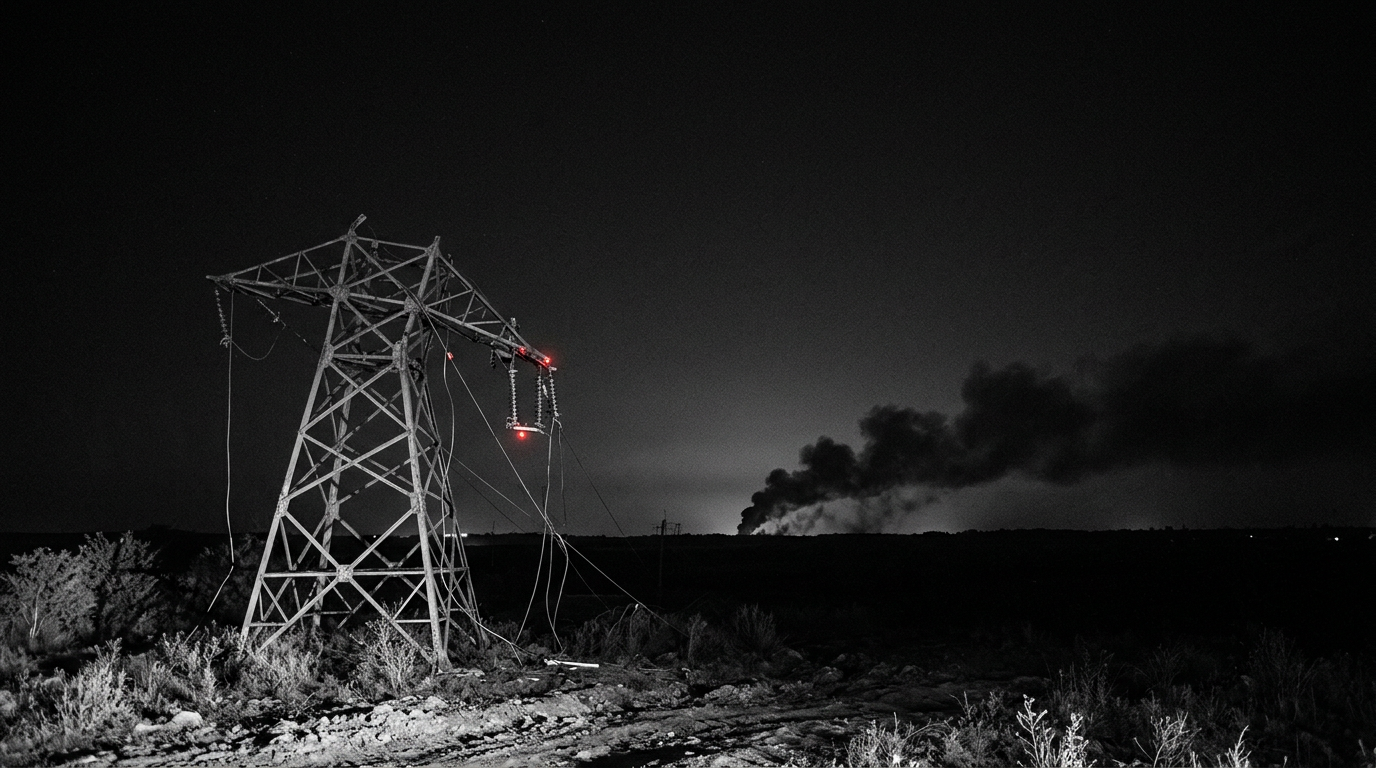
Russian military authorities have formally declared their intention to launch extensive attacks targeting Ukraine's energy infrastructure. This announcement is framed as a direct retaliation for recent Ukrainian operations against Russian energy assets, suggesting a significant escalation in the ongoing conflict. The declaration follows a period of intensified military engagement, with reports indicating substantial use of strike drones, aerial bombs, and missiles against Ukrainian targets.
During the past week, approximately 2,000 strike drones, 1,600 aerial bombs, and 31 missiles were reportedly deployed. A recent incident near Kyiv involved an attack on a warehouse that resulted in 38 confirmed fatalities and caused considerable damage to nearby residential areas, illustrating the destructive capacity of these military actions.
Increased Military Operations
Amidst these developments, Ukrainian officials have indicated that Russian leadership may also be preparing for new ground offensives. These potential assaults are reportedly aimed at the cities of Kyiv and Chernihiv, suggesting a comprehensive strategy that encompasses both critical infrastructure and territorial objectives. Further intelligence assessments point towards a potential new mobilization effort within Russia.
This initiative could seek to recruit an additional 600,000 personnel by 2026. Such a large-scale mobilization would aim to compensate for ongoing attrition rates among forces at the front lines, substantially bolstering Russia's military capability for sustained operations. The combination of infrastructure strikes and potential ground maneuvers signals a complex and evolving strategic landscape.
International Concerns and Response
Regional security partners have characterized these recent pronouncements and activities as a significant escalation of the conflict. The deliberate focus on energy infrastructure raises particular alarms, especially as the colder winter months approach. Such strikes could severely affect civilian populations and impede humanitarian efforts, rekindling memories of previous winter campaigns that caused widespread power outages and substantial humanitarian challenges across Ukraine.
In response to these emerging threats, various international bodies and allies have issued urgent calls for increased air defense support for Ukraine. The objective is to enhance Ukraine's capabilities to mitigate the anticipated impact of these projected attacks on its national power grid. This support aims to ensure that essential services can be maintained throughout the colder season. The international community is closely monitoring these developments, focusing on potential responses and preventative measures to avert a deepening crisis.
Strategic Implications for the Region
The prospect of renewed ground assaults on major Ukrainian cities, coupled with the reported plans for a significant new mobilization, underscores a long-term commitment to military action. These factors collectively indicate a protracted conflict, necessitating ongoing assessment from global observers and policymakers. The declared intent to target vital infrastructure highlights a strategy designed to exert maximum pressure on Ukraine and its allies.
The potential for a large-scale recruitment drive could fundamentally alter the balance of forces and prolong the conflict. The unfolding situation demands continued international attention to both the immediate humanitarian concerns and the broader geopolitical implications.